6 Best Soil for Succulent Gardens
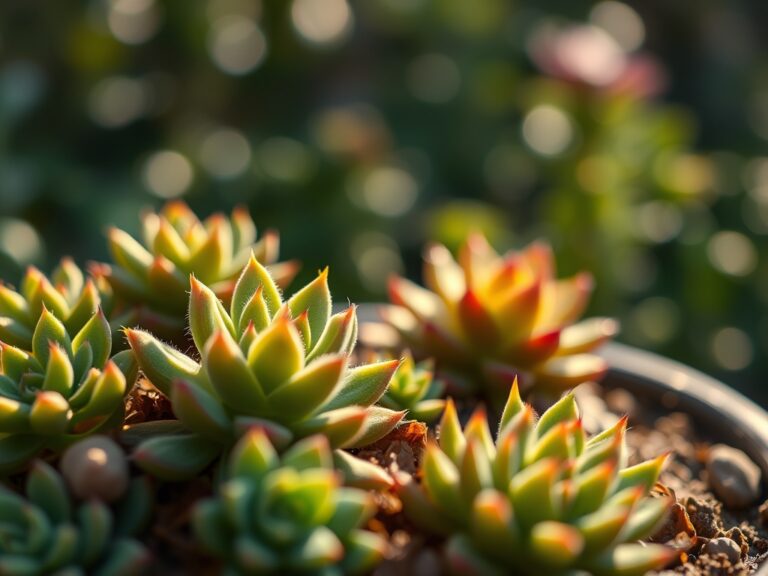
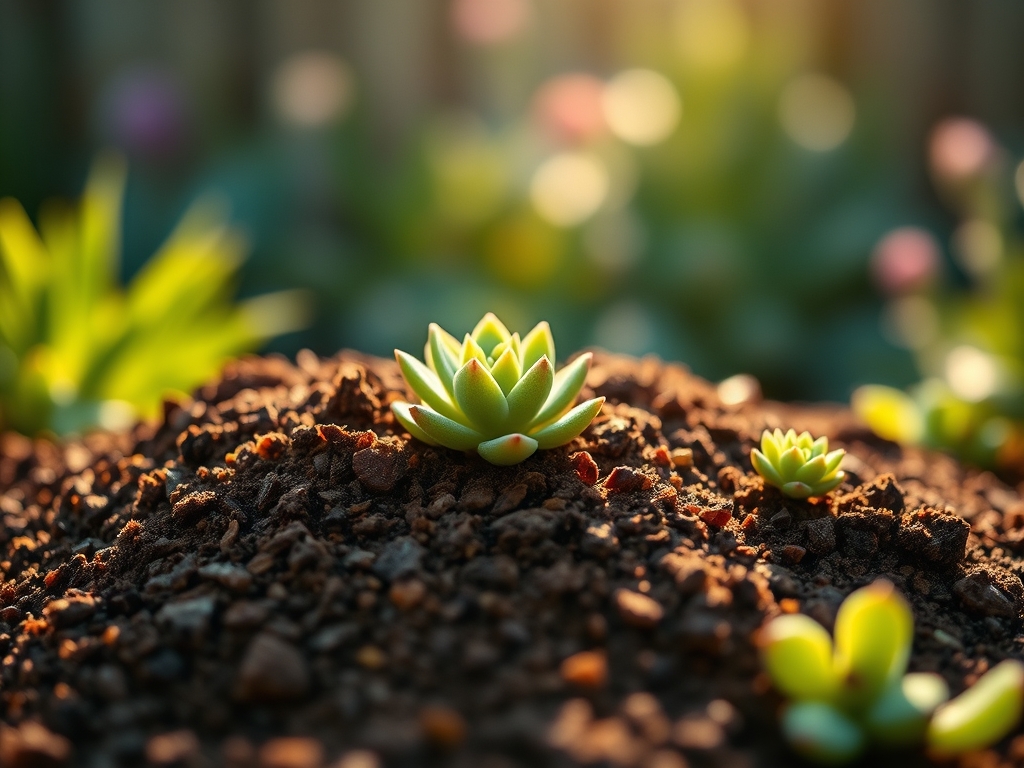
The scent of wet inorganic grit defines a healthy succulent environment. When water hits a high-porosity substrate, it should vanish into the pore spaces within seconds. This rapid drainage ensures that the rhizosphere remains oxygenated. Without oxygen, cellular respiration in the roots halts; this leads to anaerobic rot and a total loss of turgor pressure in the leaves. A succulent leaf should feel rigid and cold to the touch. This rigidity indicates that the vacuoles are fully hydrated and the cell walls are under maximum internal pressure. Achieving this state depends entirely on selecting the best soil for succulent gardens. Standard potting mixes hold too much capillary water. In a succulent garden, the goal is a substrate that mimics the high-mineral, low-organic environments of the arid highlands. You are looking for a mix that prioritizes structural integrity over nutrient density. The soil must provide physical anchorage while allowing the roots to breathe between infrequent hydration cycles. If the soil stays damp for more than three days, the plant is at risk of physiological collapse.
Materials:
The ideal substrate for succulents is a **friable loam** heavily amended with inorganic aggregates. The **pH level should sit between 5.5 and 6.5**. This slightly acidic range ensures that micronutrients like iron and magnesium remain bioavailable. Avoid alkaline mixes that can cause nutrient lockout. For most species, an **NPK ratio of 1-2-2** is optimal during the active growing season. High nitrogen levels lead to “soft” growth that is susceptible to pathogens and structural failure.
- Pumice or Perlite: These provide the primary aeration. Pumice is preferred for its weight and ability to hold trace minerals without floating to the surface during irrigation.
- Coarse Sand: Use horticultural grade sand. Fine play sand will clog the pore spaces and create a concrete-like mass.
- Coconut Coir or Pine Bark: These provide a minimal organic base. They have a higher Cation Exchange Capacity (CEC) than peat moss and do not become hydrophobic when dry.
- Expanded Shale: This adds weight and permanent macropores to the mix.
Timing:
Succulent metabolism is governed by the Biological Clock and seasonal light shifts. Most species follow a Crassulacean Acid Metabolism (CAM) pathway. In Hardiness Zones 9 through 11, many succulents can remain outdoors year round. In Zones 8 and below, plants must be moved indoors or protected when temperatures drop below 40 degrees Fahrenheit.
The transition from the vegetative stage to the reproductive stage is triggered by the photoperiod. As days shorten, the plant shifts energy from leaf production to inflorescence development. For spring-blooming varieties, the "window" for repotting or soil replacement is late winter, just before the first flush of new growth. This allows the root system to establish in the new substrate before the high-energy demands of flowering begin.
Phases:

Sowing
When starting from seed, use a sterilized, fine-grained mineral mix. Maintain a consistent temperature of 70 to 75 degrees Fahrenheit. Seeds require high humidity but must not sit in saturated soil. Use a misting bottle to keep the surface damp until germination occurs.
Pro-Tip: Use a bottom-heat mat to stimulate auxin production in the emerging radicle. This hormone drives downward root growth, ensuring the seedling anchors itself quickly before the top layer of soil dries out.
Transplanting
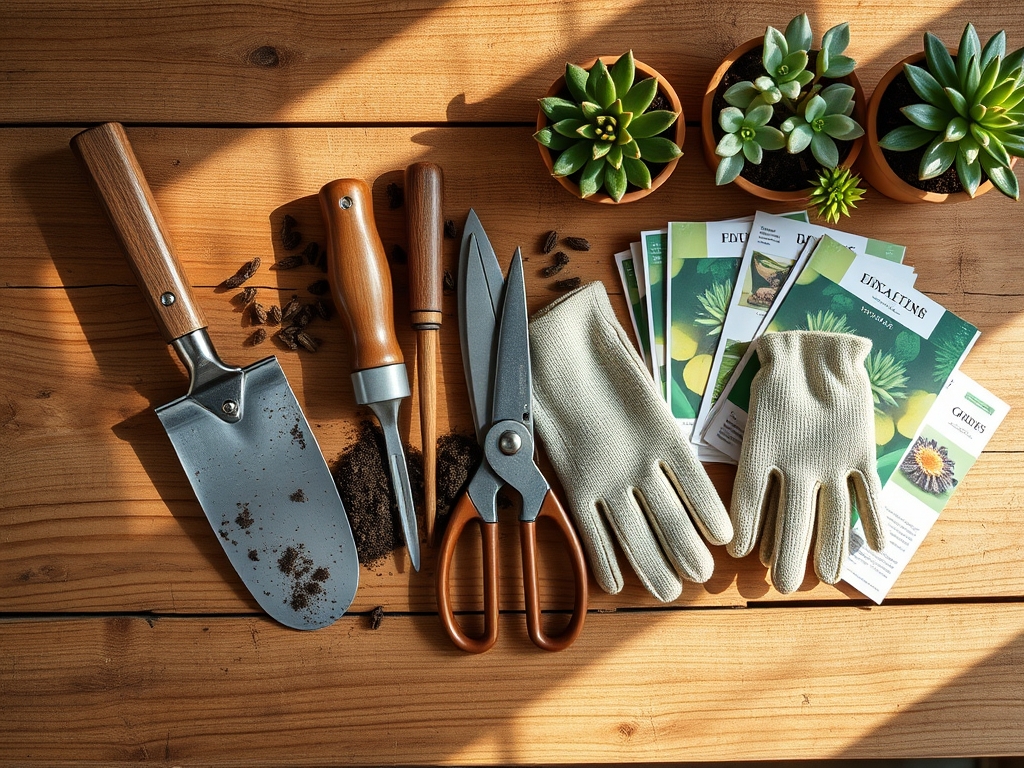
When moving a succulent, ensure the root ball is dry. Shake off the old substrate to expose the root architecture. Use a hori-hori knife to tease out any circling roots. Place the plant in the new mix, ensuring the crown sits exactly at the soil line. Do not water for at least five days.
Pro-Tip: This dry period allows for the "callousing" of any micro-tears in the roots. It prevents soil-borne pathogens from entering the vascular system through open wounds, a process supported by the plant's natural suberization response.
Establishing
During the first six weeks, monitor the plant for signs of phototropism. If the plant leans excessively toward the light source, it is seeking a higher photon flux. Rotate the container 90 degrees every week to ensure even growth and structural balance.
Pro-Tip: Incorporating a small amount of mycorrhizal inoculant during this phase establishes a symbiotic relationship between the fungi and the roots. The fungi extend the reach of the root system, increasing the uptake of phosphorus and water.
The Clinic:
Physiological disorders in succulents are often mistaken for pests. Understanding the chemistry of the soil helps diagnose these issues.
- Symptom: Yellowing of lower leaves (Chlorosis).
Solution: This is often a Nitrogen deficiency. Apply a diluted liquid fertilizer with a higher first digit in the NPK ratio. - Symptom: Soft, translucent leaves.
Solution: This is Edema, caused by the plant taking up more water than it can transpire. Increase airflow and reduce irrigation frequency immediately. - Symptom: Red or purple tinting on the leaf edges.
Solution: This is often "Sun Stress," which is a protective anthocyanin production. It is not harmful unless the leaf tissue begins to scar or "burn." - Symptom: Stretched, weak stems (Etiolation).
Solution: The plant lacks sufficient light. Prune the leggy growth with bypass pruners and move to a location with at least six hours of direct sun.
Fix-It for Nutrient Lockout: If the soil pH rises above 7.0, the plant cannot absorb iron. Flush the soil with distilled water adjusted to a pH of 5.0 to reset the chemistry of the rhizosphere.
Maintenance:
Precision is the hallmark of professional succulent care. Use a soil moisture meter to verify that the substrate is dry at least three inches below the surface before adding water. When you do water, apply it at the drip line rather than over the crown of the plant. This prevents moisture from trapping in the leaf axils, which can lead to fungal infections.
In the height of summer, aim for approximately 1.5 inches of water per week for outdoor gardens in porous soil. Indoor plants may only require water once every three weeks. Use bypass pruners to remove senescent (dead) leaves at the base of the plant. This removes hiding spots for insects and improves air circulation around the stem.
The Yield:
While most succulents are grown for aesthetics, some, like Aloe vera or Opuntia, offer a harvest. For Aloe, select the outermost, mature leaves. Use a sharp, sterilized blade to cut the leaf as close to the trunk as possible. To maintain "day-one" freshness, stand the leaf upright in a container for ten minutes to allow the yellow aloin sap to drain. Then, wrap the leaf in a damp cloth and refrigerate. For Opuntia fruit, harvest when the color is deep red and the fruit yields slightly to pressure.
FAQ:
Can I use regular potting soil for succulents?
No. Regular soil retains too much moisture, leading to root rot. Succulents require a mix with at least 50 percent inorganic grit like pumice or perlite to ensure rapid drainage and proper root aeration.
How often should I fertilize my succulent garden?
Fertilize only during the active growing season, typically spring and summer. Use a balanced, low-nitrogen fertilizer diluted to half strength once every four weeks. Avoid fertilizing during the winter dormancy period to prevent weak growth.
What is the best pH for succulent soil?
The optimal range is 5.5 to 6.5. This slightly acidic environment prevents nutrient lockout and ensures that essential minerals like iron and zinc remain available for the plant to absorb through its root system.
Why are the bottom leaves of my succulent dying?
If the leaves are dry and crispy, it is normal senescence. The plant is shedding old growth to conserve energy. If they are yellow and mushy, it is a sign of overwatering and potential root rot.