6 Fast Steps to Use Compost Turners
The sharp ammonia smell from an unturned compost pile signals anaerobic decomposition, wasting nitrogen and releasing methane. Professional composters understand that mastering the steps to use compost turners transforms a sluggish heap into finished humus within 60 days instead of six months. Proper aeration through mechanical turning maintains thermophilic temperatures between 131°F and 150°F, killing weed seeds while preserving beneficial actinomycetes that produce that characteristic earthy smell of finished compost.
Materials
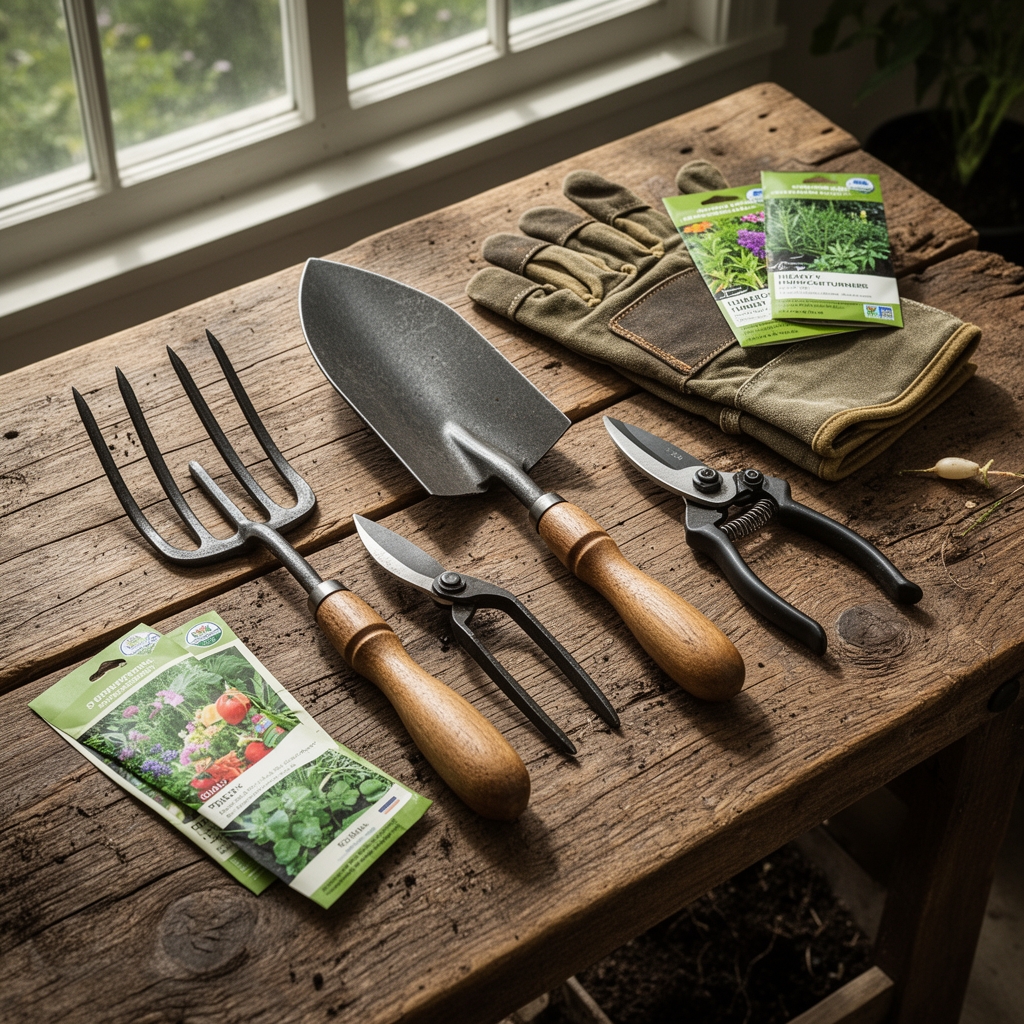
Selecting the correct compost turner depends on pile volume and material carbon-to-nitrogen ratio. Manual turners work efficiently for piles under 3 cubic yards, while tractor-mounted drum turners handle operations exceeding 10 cubic yards. The base feedstock should target a C:N ratio of 30:1, combining high-carbon materials (wood chips at 400:1, shredded cardboard at 170:1) with nitrogen sources (grass clippings at 20:1, coffee grounds at 20:1).
For optimal microbial activity, maintain pH between 6.0 and 8.0. Limestone added at 2 pounds per cubic yard counteracts acidification from pine needles or oak leaves. Finished compost typically delivers NPK values of 0.5-0.5-0.5, but this increases to 3-3-3 when incorporating poultry manure at 25% volume. Rock phosphate (0-3-0) added during the thermophilic phase integrates into humic complexes more effectively than synthetic phosphorus.
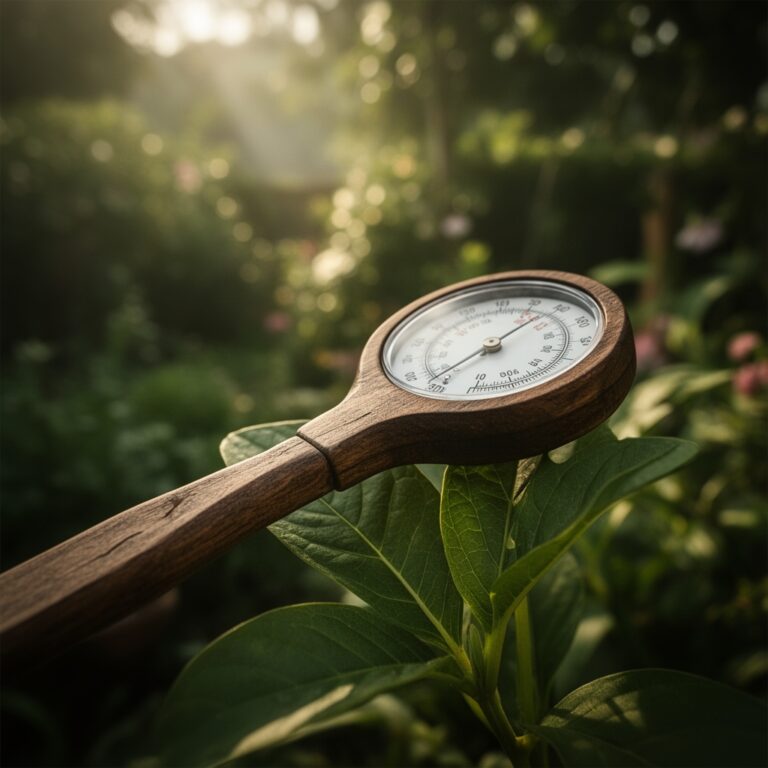
A moisture meter calibrated for 50-60% water content prevents both desiccation and anaerobic conditions. Cation exchange capacity in mature compost ranges from 60 to 90 meq/100g, triple that of average topsoil.
Timing
In USDA Hardiness Zones 3-5, initiate hot composting 8 weeks before the first fall frost to utilize ambient warmth. The pile will maintain internal heat even as air temperatures drop to 20°F. Zones 6-9 benefit from year-round composting, though summer turning should occur before 9 AM when ambient temperatures exceed 85°F to prevent excessive moisture loss.
Spring compost application works best 3-4 weeks before the last frost date, allowing microbial populations to colonize the root zone before transplanting. Fall application should occur 6 weeks before ground freeze to permit nutrient integration into the soil profile. In Zone 10-11, wet season composting (May through October) requires covered bins to prevent waterlogging that disrupts the aerobic process.
Phases
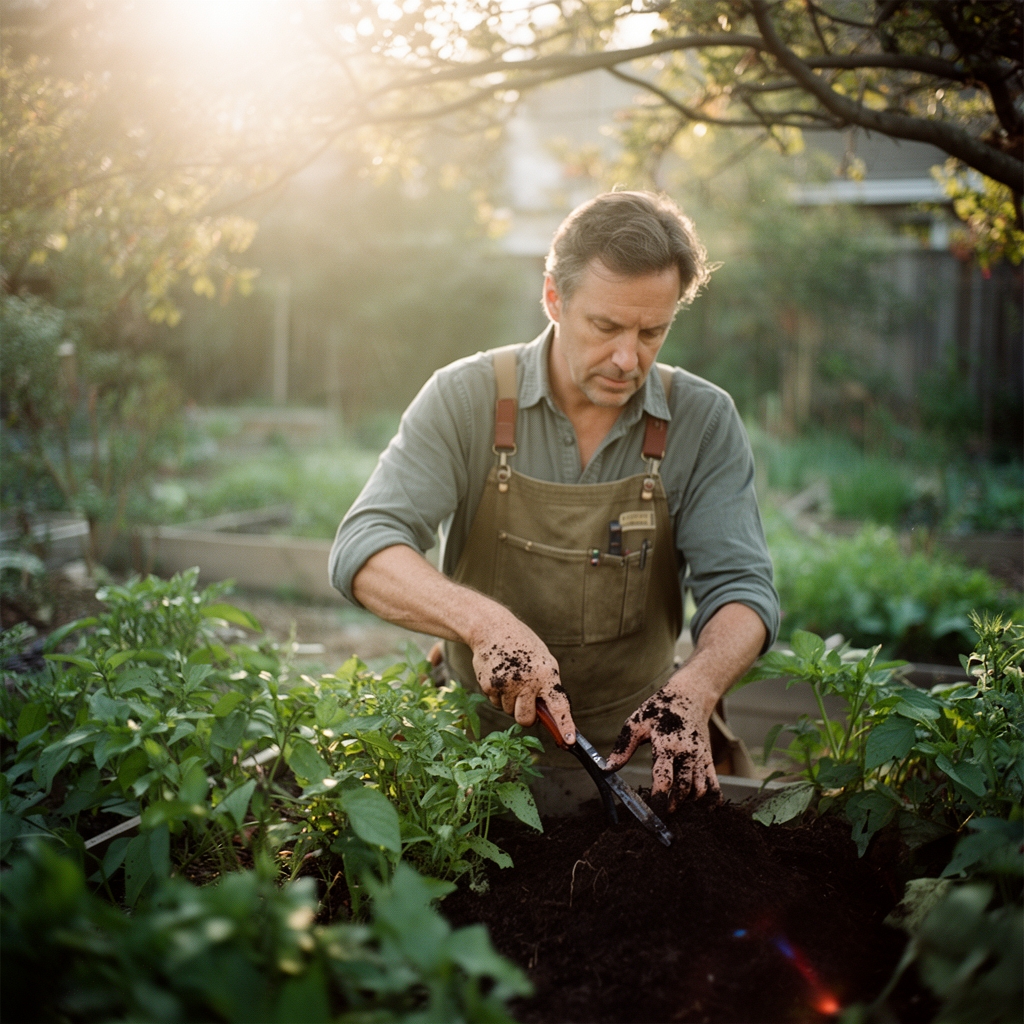
Initial Loading Phase: Layer materials in 4-inch alternating strata of browns (carbon) and greens (nitrogen). Shred materials to 0.5-2 inch particle size to increase surface area for microbial colonization. Water each layer until moisture resembles a wrung-out sponge. Insert a compost thermometer to the pile's center, marking the probe at 18 inches depth.
Pro-Tip: Inoculate the initial load with 2 gallons of finished compost per cubic yard. This introduces Bacillus and Streptomyces species that jumpstart thermophilic decomposition.
Active Turning Phase: Turn the pile when internal temperature exceeds 150°F or drops below 120°F after the initial heat spike. Using a manual turner, pull material from the pile's exterior to the center, ensuring all feedstock experiences the hot core. Drum turners automatically redistribute material through rotation, requiring 12-15 revolutions per session.
Turn every 3-4 days during weeks 1-3, then weekly during weeks 4-8. Each turning session reintroduces oxygen, spiking microbial respiration and heat generation within 12 hours. Monitor carbon dioxide levels; readings above 15% indicate excellent aerobic activity.
Pro-Tip: Apply water during turning if moisture drops below 45%. Add 1 gallon per cubic yard, distributing through a hose-end sprayer for even coverage.
Curing Phase: After 6-8 weeks of active turning, when temperature stabilizes at ambient plus 10-15°F, cease mechanical aeration. Shift the material to a curing bin for 4 weeks minimum. During curing, fungal hyphae colonize the substrate, producing humic acids and improving aggregate stability. Test finished compost using the germination trial: plant cress seeds in pure compost and 50% compost/soil mix. Germination rates above 85% in both media confirm maturity.
Pro-Tip: Screen finished compost through 0.5-inch hardware cloth. Oversized particles return to the next active pile as inoculant.
Troubleshooting
Symptom: Ammonia odor during turning
Solution: C:N ratio below 25:1. Immediately add shredded paper or straw at 3:1 ratio by volume to absorb excess nitrogen. Turn daily for 3 days.
Symptom: Pile temperature never exceeds 90°F
Solution: Insufficient nitrogen or moisture. Add alfalfa meal (2.5-0.5-2.5) at 1 pound per cubic yard and water to 55% moisture. Turn within 24 hours.
Symptom: Fruit flies colonizing fresh material
Solution: Bury kitchen scraps 8 inches below surface. Cover exposed greens with 3-inch layer of leaves or wood chips immediately after adding.
Symptom: White fungal growth on pile exterior
Solution: Beneficial actinomycetes, not pathogenic fungi. This indicates proper mesophilic colonization. Continue normal turning schedule.
Symptom: Material remains recognizable after 10 weeks
Solution: Particle size too large. Screen pile, shred oversized material to under 1 inch, remix with 10% fresh greens, and restart active turning.
Maintenance
Turn compost every 3-4 days during active phase, reducing to weekly after day 21. Add water when moisture drops below 45%, applying 0.5-1 gallon per cubic yard per turning session. Maintain pile dimensions of minimum 3x3x3 feet to retain heat; maximum 5x5x5 feet for manual turning accessibility.
Clean turner tines after each use with a wire brush to prevent material buildup. Oil pivot points monthly on manual models. For drum turners, inspect drive chains every 20 operating hours, adjusting tension to 0.5-inch deflection.
Monitor internal temperature daily during weeks 1-3, then every 3 days thereafter. Replace thermometers annually; corrosion affects accuracy beyond 5%. Aerate pathways around bins to prevent soil compaction that creates anaerobic zones beneath the pile.
FAQ
How often should I turn my compost pile?
Turn every 3-4 days during the first three weeks when temperatures exceed 120°F, then weekly until day 60. Total turns typically number 15-18 per batch.
Can I turn compost too much?
Yes. Excessive turning (more than once daily) prevents temperature buildup by constantly cooling the pile core. This extends decomposition time by interrupting thermophilic bacterial growth cycles.
What temperature indicates finished compost?
Finished compost stabilizes within 10-15°F of ambient temperature and will not reheat after turning. Typically 60-75°F depending on outdoor conditions.
Do compost turners work in winter?
Active piles maintain 120-140°F internally even when air temperature reaches 15°F. Insulate exterior with straw bales in Zones 3-5. Turning frequency reduces to every 7-10 days in winter.
Should I add compost accelerator products?
Unnecessary if C:N ratio and moisture are correct. Save money by using finished compost as inoculant, which contains superior microbial diversity compared to commercial products.