7 Best Dwarf Citrus Trees for Indoors
Crushing a waxy leaf between your thumb and forefinger releases a sharp burst of limonene; the scent is a chemical marker of a healthy, productive specimen. Successful indoor cultivation of the best dwarf citrus trees for indoors requires more than casual observation. It demands a rigorous understanding of turgor pressure and the metabolic demands of the rhizosphere. When a tree maintains high turgor, its cell walls remain rigid, allowing for optimal gas exchange through the stomata. Indoors, where humidity often drops below 30 percent, the gardener must intervene to prevent leaf abscission. You are managing a biological machine that requires specific light wavelengths and precise nutrient concentrations to convert photons into sugars. The goal is a tree that produces high brix levels in its fruit while maintaining a compact, manageable canopy. This is not about aesthetics; it is about the physiological synchronization of the plant with its artificial environment.
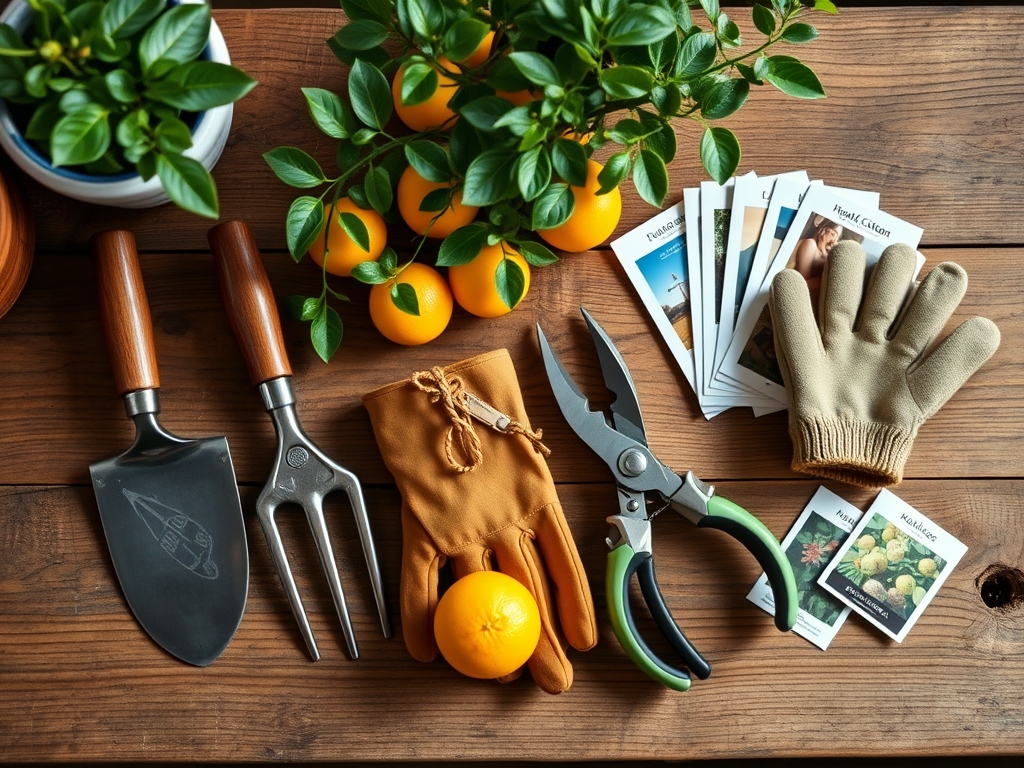
Materials:
The substrate is the foundation of the Cation Exchange Capacity (CEC), which determines how effectively the roots can pull nutrients from the soil solution. For the best dwarf citrus trees for indoors, you must utilize a **friable loam** that resists compaction. A mixture of 40 percent composted pine bark, 40 percent peat moss or coconut coir, and 20 percent perlite provides the necessary macropores for oxygen movement.
Soil pH must be maintained between 5.5 and 6.5. If the pH rises above 7.0, iron becomes chemically locked in the soil, leading to interveinal chlorosis. Use a specialized citrus fertilizer with an NPK ratio of 5-2-3 or 6-3-3. This ensures nitrogen dominates for vegetative growth while phosphorus and potassium support root development and cellular fluid balance. Additionally, ensure the fertilizer contains chelated micronutrients, specifically Zinc, Iron, and Manganese, as these are the first to deplete in a container environment.
Timing:
While these trees are kept indoors, they are still influenced by the outdoor environment and seasonal light shifts. Most dwarf citrus varieties are hardy in USDA Zones 9 through 11. For those in northern latitudes, the transition from outdoor summering to indoor wintering must occur when nighttime temperatures consistently drop to 50 degrees Fahrenheit (10 degrees Celsius).
The biological clock of a citrus tree is governed by the photoperiod and temperature fluctuations. To induce flowering, many dwarf varieties require a "cool stress" period of approximately 4 to 6 weeks where temperatures remain between 40 and 55 degrees Fahrenheit. This stress triggers the transition from the vegetative stage to the reproductive stage. Without this thermal cue, the tree may continue to produce foliage without ever initiating flower buds.
Phases:

Sowing and Selection
Starting from seed is rarely efficient for indoor growers because most citrus seeds do not grow true to type and have a long juvenile phase. Instead, select a tree grafted onto Flying Dragon (Poncirus trifoliata) rootstock. This specific rootstock genetically dwarfs the scion, ensuring the tree remains under 4 to 6 feet. Ensure the graft union is at least 2 inches above the soil line to prevent the scion from sending out its own roots, which would negate the dwarfing effect.
Pro-Tip: Inspect the graft union for any "suckers" or growth originating below the joint. Remove these immediately with a sharp blade. This prevents apical dominance from shifting to the rootstock, which would otherwise outcompete the desired fruiting variety for nutrients.
Transplanting
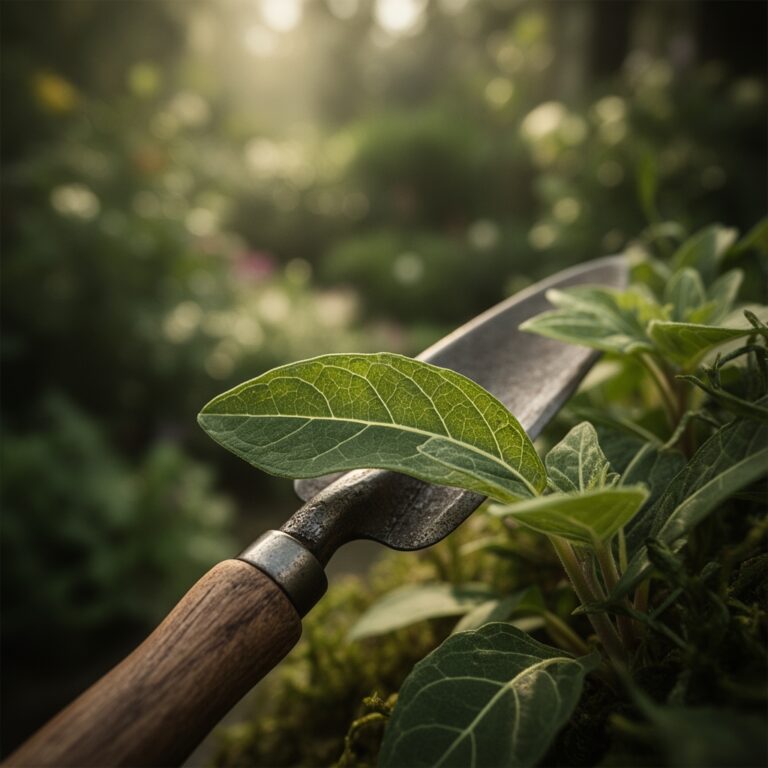
When moving a tree to its permanent indoor vessel, choose a pot that is only 2 inches wider than the current root ball. Excessive soil volume leads to "perched water tables" where the bottom of the pot remains anaerobic, rotting the roots. Use a hori-hori knife to gently tease out any circling roots before placement.
Pro-Tip: Do not bury the root flare. The point where the roots begin to spread from the trunk must remain exposed to the air. This facilitates lenticel gas exchange, preventing the trunk bark from softening and becoming susceptible to fungal pathogens.
Establishing
The first 90 days are critical for establishing mycorrhizal symbiosis. While citrus trees can grow without these fungi, the addition of endomycorrhizal inoculants to the rhizosphere significantly increases the surface area for water and phosphorus absorption. Maintain a consistent light cycle of 12 to 16 hours using full-spectrum LED grow lights.
Pro-Tip: Rotate the pot 90 degrees every week. This prevents phototropism, where the plant leans toward the light source, causing an asymmetrical distribution of auxins in the stem and leading to a weak, unbalanced structure.
The Clinic:
Physiological disorders in indoor citrus are usually the result of environmental imbalances rather than pathogens.
- Symptom: Yellowing of older leaves while veins remain green.
- Solution: This is Magnesium deficiency. Apply a foliar spray of 1 tablespoon Epsom salts per gallon of water. Magnesium is the central atom in the chlorophyll molecule; without it, photosynthesis halts.
- Symptom: Small, distorted new leaves with yellow mottling.
- Solution: Zinc deficiency. This often occurs in high pH soils. Adjust the soil pH to 6.0 and apply a chelated zinc supplement.
- Symptom: Leaf drop immediately after moving the tree indoors.
- Solution: Environmental shock. Increase local humidity to 50 percent using a humidifier and ensure the tree is not in the path of forced-air heating vents.
Fix-It for Nitrogen Chlorosis: If the entire leaf turns pale yellow, the plant is scavenging nitrogen from old growth to support new growth. Increase your NPK application frequency but reduce the concentration by half to avoid osmotic root burn.
Maintenance:
Precision is the difference between a surviving tree and a thriving one. Use a soil moisture meter to verify that the top 2 inches of soil are dry before watering. Generally, provide 1.5 liters of water per week for a 5-gallon container, ensuring water drains freely from the bottom to flush out accumulated mineral salts.
Pruning should be done with bypass pruners sterilized with isopropyl alcohol. Focus on "thinning cuts" that remove entire branches back to the trunk to improve light penetration into the interior canopy. Remove any "water sprouts"—vigorous, vertical shoots that consume massive amounts of nitrogen without producing fruit. Maintain a clean "drip line" by removing fallen debris, which can harbor unwanted organisms.
The Yield:
Harvesting the best dwarf citrus trees for indoors requires patience. Unlike many fruits, citrus does not continue to ripen once removed from the branch. Use the "lift and twist" method; if the fruit does not release with a gentle tug, the abscission zone has not yet formed, and the sugars are not fully developed.
For varieties like the Meyer Lemon or Calamondin, the skin should be firm and the color uniform. Once harvested, do not wash the fruit until you are ready to use it. The natural waxy cuticle protects the fruit from desiccation. For "day-one" freshness, store harvested fruit in a cool, dark environment at approximately 45 to 50 degrees Fahrenheit.
FAQ:
Which is the best dwarf citrus tree for beginners?
The Meyer Lemon is the most resilient. It tolerates lower light levels and fluctuates less in response to watering errors compared to other cultivars. Its thin skin and high juice content make it a high-yield choice for indoor spaces.
How much light do indoor citrus trees actually need?
They require a minimum of 8 to 12 hours of direct light. If windows do not provide this, supplement with 30 to 50 watts of full-spectrum LED light per square foot of canopy to maintain photosynthetic rates.
Why are my citrus blossoms falling off?
This is often due to low humidity or extreme temperature swings. If the air is too dry, the pollen dries out before fertilization can occur. Aim for 50% humidity and consistent temperatures between 65 and 75 degrees Fahrenheit.
Do I need to hand-pollinate indoor citrus?
Most dwarf citrus varieties are self-fertile. However, without wind or insects, a gentle shake of the branches or using a small brush to move pollen between flowers can significantly increase your fruit set and overall yield.