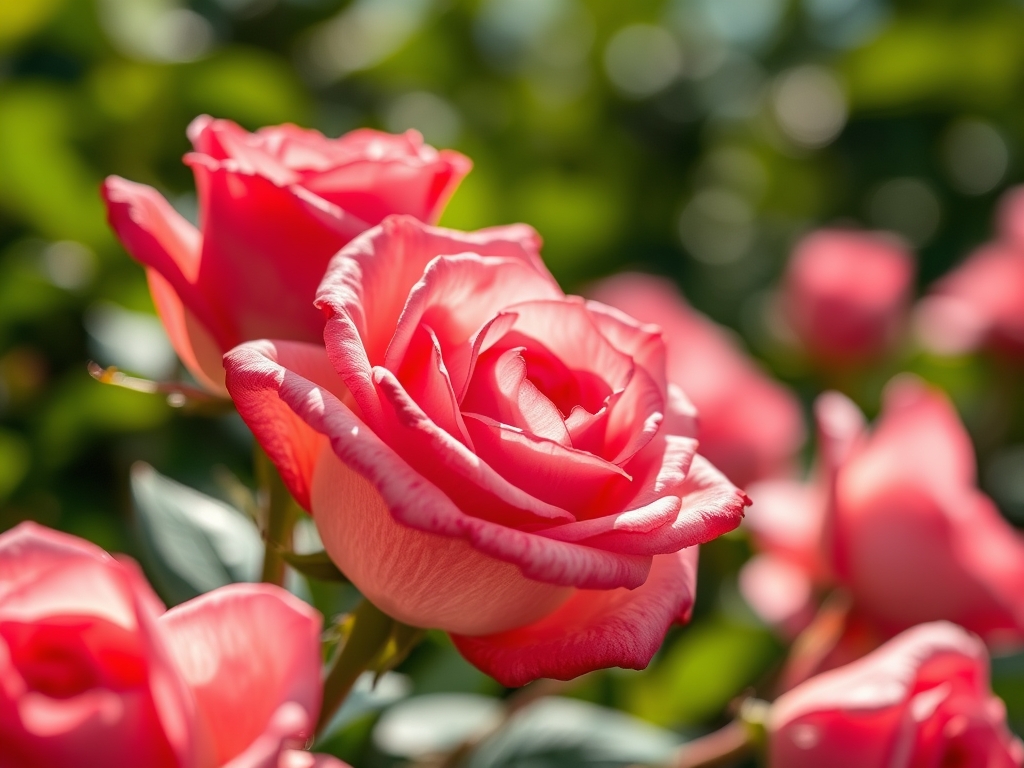
7 Best Scented Roses for Gardens
Crushing a handful of friable silt loam reveals the sharp, metallic tang of iron oxides and the sweet decay of organic matter. When the cellular turgor of a rose petal reaches its peak at dawn, the essential oils volatilize into the warming air; this is the precise moment to evaluate the best scented roses for gardens. Success in rose cultivation requires more than aesthetic appreciation. It demands an understanding of the vascular system and the metabolic cost of fragrance production. Volatile organic compounds like geraniol and nerol are secondary metabolites that the plant synthesizes under specific environmental stressors. To achieve maximum olfactory output, the gardener must optimize the rhizosphere and manage the photoperiod with surgical precision. These seven varieties represent the pinnacle of floral engineering, selected for their high concentrations of aromatic esters and their robust resistance to fungal pathogens. We prioritize cultivars that maintain high sap pressure and efficient nutrient transport, ensuring that the scent is not just a fleeting occurrence but a sustained biological output throughout the growing season.
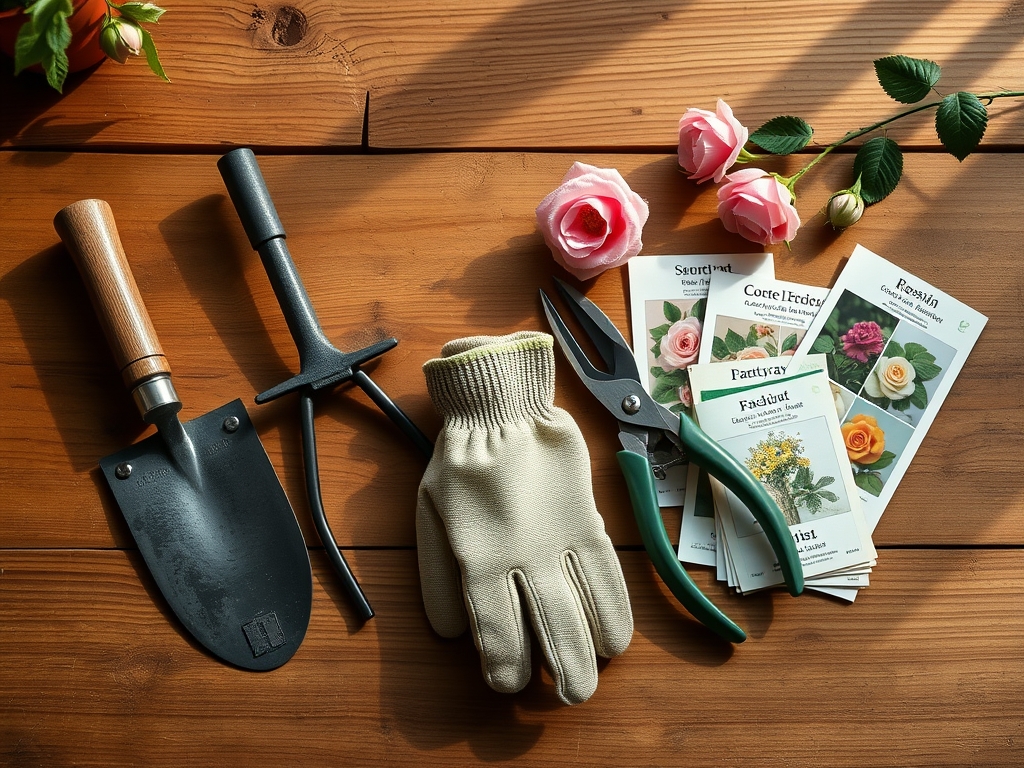
Materials:
Roses are heavy feeders that require a high Cation Exchange Capacity (CEC) to facilitate the uptake of essential minerals. The ideal substrate is a **friable loam** consisting of 40 percent sand, 40 percent silt, and 20 percent clay. This balance ensures adequate macropores for oxygen diffusion and micropores for water retention.
Soil pH and Nutrient Requirements:
- Target pH: 6.0 to 6.5. Use elemental sulfur to lower pH or calcitic lime to raise it.
- Vegetative Stage NPK: 10-10-10. Nitrogen (N) is critical for chlorophyll synthesis and leaf expansion.
- Reproductive Stage NPK: 5-10-10 or 5-15-15. Increased Phosphorus (P) and Potassium (K) support bud development and cellular wall strength.
- Micronutrients: Ensure the presence of Magnesium (Mg) for the central atom of the chlorophyll molecule and Iron (Fe) to prevent interveinal chlorosis.
Timing:
The biological clock of a rose is governed by thermoperiodism and photoperiodism. Most scented varieties thrive in USDA Hardiness Zones 5 through 9. Planting should occur when the soil temperature reaches a consistent 45 to 50 degrees Fahrenheit. In colder climates, this window typically opens six weeks before the last predicted frost date.
The transition from the vegetative stage to the reproductive stage is triggered by increasing day length and cumulative Growing Degree Days (GDD). During the vegetative phase, the plant focuses on biomass accumulation and root establishment. As the photoperiod exceeds 12 hours, the plant shifts its energy toward the synthesis of floral primordia. Pruning must be completed during winter dormancy to stimulate the release of apical dominance, allowing lateral buds to develop into flower-bearing canes.
Phases:

Sowing and Selection
While most gardeners purchase grafted or own-root plants, the selection process is the foundation of success. Choose "Grade 1" roses with at least three strong canes. For the best scented roses for gardens, prioritize cultivars like 'Gertrude Jekyll' (strong old rose scent) or 'Munstead Wood' (blackberry and damask notes).
Pro-Tip: Inspect the graft union for swelling or discoloration. A healthy union ensures efficient xylem and phloem transport, which is the "Biological Why" behind successful nutrient distribution from the rootstock to the scion.
Transplanting
Dig a hole 18 inches deep and 24 inches wide. This volume allows for the unrestricted expansion of the radial root system. Position the graft union at or slightly below the soil surface in colder zones to protect the meristematic tissue from freeze-thaw cycles.
Pro-Tip: Dust the root ball with mycorrhizal fungi before backfilling. This creates a symbiotic relationship where the fungi extend the root's reach for phosphorus and water, effectively increasing the surface area for nutrient absorption.
Establishing
During the first 90 days, the plant must prioritize root architecture over floral production. Remove any emerging buds to redirect carbohydrates toward the root system. Maintain soil moisture at a consistent 60 to 70 percent of field capacity.
Pro-Tip: Use a soil moisture meter to monitor the rhizosphere. Maintaining consistent moisture prevents "Auxin Suppression," where water stress triggers the production of abscisic acid, leading to premature leaf drop and stunted growth.
The Clinic:
Physiological disorders often manifest as visual cues in the foliage or stem.
- Symptom: Yellowing of older leaves while veins remain green.
- Solution: This indicates Magnesium deficiency. Apply Epsom salts (Magnesium Sulfate) at a rate of 1 tablespoon per foot of plant height.
- Symptom: Black spots with fringed edges on leaf surfaces.
- Solution: Diplocarpon rosae (Black Spot). Improve air circulation and apply a copper-based fungicide.
- Symptom: Distorted, puckered new growth with a white powdery coating.
- Solution: Powdery Mildew. This is often caused by high humidity and poor airflow. Prune for "open center" geometry.
Fix-It Section: Nitrogen Chlorosis
If the entire plant appears pale green or yellow, it lacks Nitrogen. Apply a quick-release liquid fertilizer with a 20-0-0 ratio to provide an immediate nitrate boost, then top-dress with composted manure for sustained release.
Maintenance:
Precision maintenance is the difference between a surviving plant and a thriving one. Deliver 1.5 inches of water per week directly to the drip line. Avoid overhead irrigation to prevent the leaf canopy from remaining wet, which invites fungal spores to germinate.
Utilize a hori-hori knife to remove deep-rooted weeds that compete for nitrogen and water. For pruning, use bypass pruners to make clean, 45-degree cuts approximately 1/4 inch above an outward-facing bud. This technique directs growth away from the center of the plant, maximizing light penetration and gas exchange. Every three years, perform a soil test to recalibrate your fertilization schedule based on the current mineral depletion.
The Yield:
Harvesting scented roses requires timing the peak concentration of volatile oils. The optimal window is in the early morning, after the dew has evaporated but before the sun reaches its zenith. Use sharp snips to cut the stem at a 45-degree angle, immediately submerging the cut end in 100-degree Fahrenheit water.
This thermal shock forces air bubbles out of the xylem, ensuring uninterrupted water uptake. To maintain "day-one" freshness, store the harvested blooms in a cool environment (34 to 38 degrees Fahrenheit) to slow the rate of respiration and delay senescence. For the best scented roses for gardens, 'Double Delight' and 'Fragrant Cloud' offer the highest yield of aromatic compounds per square inch of petal tissue.
FAQ:
What is the best time of day to smell roses?
Early morning is optimal. As temperatures rise, the volatile oils that produce fragrance evaporate more quickly. High humidity also helps trap these aromatic esters near the flower, intensifying the scent before the midday sun dissipates them.
How do I make my roses smell stronger?
Ensure optimal soil health and hydration. A plant under drought stress will prioritize survival over the metabolic expense of producing scent. Maintain a pH of 6.5 and provide adequate potassium to support the enzymatic pathways responsible for fragrance synthesis.
Do all roses have a scent?
No. Many modern cultivars bred for the florist trade have sacrificed fragrance for vase life and stem length. To ensure scent, look for "Old Garden Roses" or specific modern hybrids like David Austin varieties which are engineered for high essential oil content.
Why did my rose lose its fragrance?
Fragrance perception can change based on temperature and humidity. However, if a plant permanently loses its scent, it may be due to nutrient deficiencies or extreme heat, which can denature the enzymes required for volatile organic compound production.