7 Desert Ways How to Landscape with Succulents
Turgor pressure defines the structural integrity of a succulent garden. When a leaf is fully hydrated, the internal water pressure against the cell walls creates a rigid, firm texture that resists compression. This physiological state is the baseline for success when learning how to landscape with succulents in arid environments. A healthy landscape relies on the balance between soil porosity and the plant's ability to store moisture within specialized parenchymal tissues. Achieving this requires a technical understanding of drainage dynamics and mineral availability.
Succulent landscaping is not merely an aesthetic choice; it is an exercise in resource management. Desert soils often lack organic matter but are rich in minerals that can become toxic if the pH is not monitored. To master how to landscape with succulents, the gardener must treat the ground as a hydraulic system. Every slope, rock placement, and soil amendment serves to prevent root hypoxia while ensuring the rhizosphere remains cool during peak thermal loads. Success is measured by the absence of edema and the presence of vigorous, wax-coated new growth.
Materials:
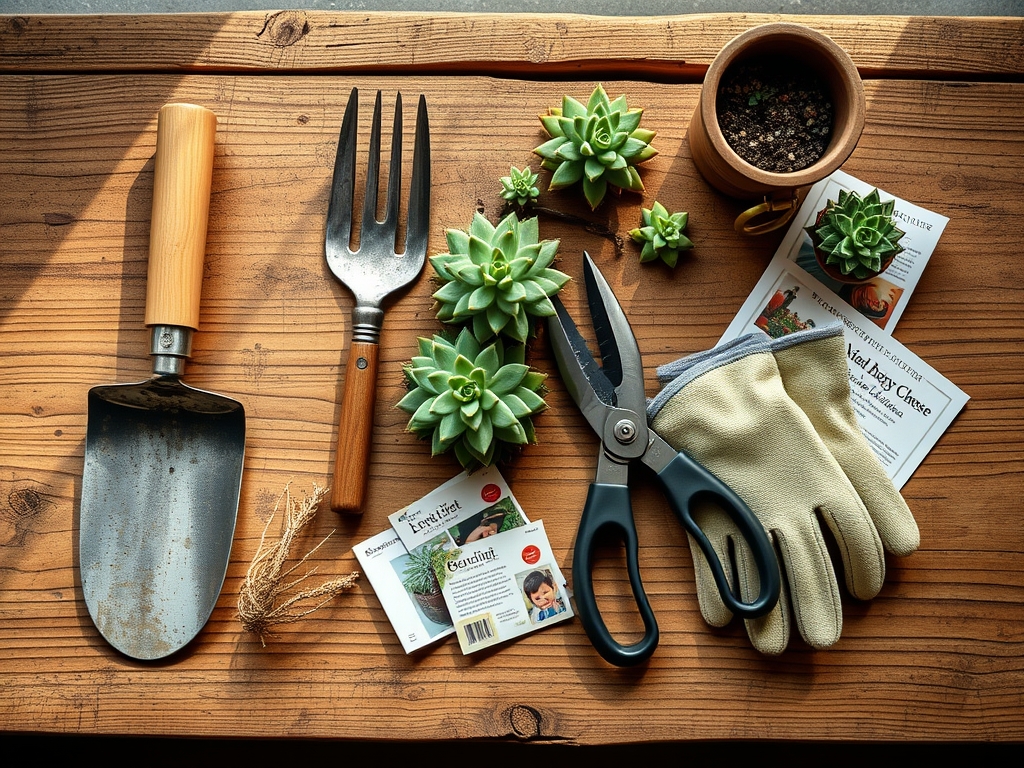
The foundation of a desert landscape is a substrate with high macroporosity. Succulents require a soil pH between **6.0 and 7.5** to ensure optimal nutrient bioavailability. The ideal medium is a friable loam mixed with inorganic aggregates like pumice or decomposed granite. This mixture ensures a low Cation Exchange Capacity (CEC) for water but a stable environment for mineral salts.
For established plants, utilize a low-nitrogen fertilizer with an NPK ratio of 5-10-10. High nitrogen levels (the first number) can cause rapid, weak cellular elongation, which leads to structural failure. Phosphorus and Potassium are critical for root development and cold hardiness. Use a soil moisture meter to calibrate the initial saturation levels. The physical texture should be gritty; if you squeeze a handful of moist soil, it should crumble immediately upon release rather than forming a solid clod.
Timing:
The biological clock of a succulent is dictated by the photoperiod and ambient temperature. Most desert species enter a semi-dormant state when temperatures exceed 95 degrees Fahrenheit or drop below 40 degrees Fahrenheit. In Hardiness Zones 8 through 11, the primary planting window occurs in early spring or early autumn. This avoids the extreme thermal stress of mid-summer and the risk of frost-induced cellular rupture in winter.
Transitioning from vegetative to reproductive stages (flowering) usually occurs as day lengths shift. For Agave and Yucca species, this process involves a massive redirection of carbohydrates from the leaves to the terminal stalk. Understanding these cycles allows the landscaper to time pruning and propagation. Aim to install new plants at least six weeks before the first projected frost date to allow for root establishment.
Phases:

Sowing and Propagation
Starting from seed requires a sterile, fine-grit medium and a consistent temperature of 70 to 75 degrees Fahrenheit. Most landscapers prefer vegetative propagation via offsets or "pups." When removing an offset, use a sharpened hori-hori knife to make a clean basal cut. Allow the wound to callous for three to seven days in a shaded, dry area before introducing it to the soil.
Pro-Tip: Callousing is essential because it allows the plant to form a protective layer of suberin. This fatty acid polymer prevents opportunistic fungal pathogens from entering the vascular system through the open wound.
Transplanting
When moving a succulent into the landscape, dig a hole twice as wide as the root ball but no deeper. Ensure the crown sits 0.5 inches above the surrounding soil line to prevent water from pooling against the stem. Backfill with the mineral-heavy substrate described in the materials section. Do not water immediately; wait three days to allow any root micro-fractures to heal.
Pro-Tip: Use the concept of thigmotropism to your advantage. Firming the soil around the roots provides the mechanical stimulus needed for the plant to "sense" its new environment, triggering the release of auxins that stimulate lateral root growth.
Establishing
During the first 90 days, the plant focuses on hydraulic integration. Provide supplemental water only when the top 2 inches of soil are completely dry. Monitor the turgor of the lower leaves. If they appear wrinkled, the plant is drawing on its internal reserves and requires deep, infrequent irrigation to encourage deep root penetration.
Pro-Tip: Mycorrhizal symbiosis can be enhanced by inoculating the planting hole with beneficial fungi. These organisms extend the reach of the root system, increasing the surface area for water absorption by up to 100 times.
The Clinic:
Physiological disorders in succulents often mimic nutrient deficiencies. Accurate diagnosis is the first step in remediation.
- Symptom: Yellowing of lower leaves (Chlorosis).
- Solution: Check for Nitrogen deficiency or overwatering. If the soil is dry, apply a 5-10-10 water-soluble fertilizer. If the soil is wet, cease irrigation immediately.
- Symptom: Soft, blackened spots at the base.
- Solution: This indicates root rot (Phytophthora). Remove the plant, cut away necrotic tissue with sterilized bypass pruners, and replant in fresh, dry aggregate.
- Symptom: Stretching or "legginess" (Etiolation).
- Solution: Increase light intensity. The plant is experiencing phototropism, reaching for a light source it cannot find, which weakens the cell walls.
Fix-It for Nitrogen Chlorosis: If leaves are pale green across the entire plant, apply a light dressing of blood meal or a balanced liquid fertilizer at half strength. Nitrogen is a mobile nutrient; you should see color improvement in the new growth within 14 days.
Maintenance:
Precision is the hallmark of a professional succulent landscape. Use a soil moisture meter to verify that the root zone has dried out before adding more water. As a general rule, provide 1.5 inches of water every two weeks during the growing season, delivered directly to the drip line. Avoid overhead misting, as trapped water in the leaf axils can lead to fungal infections.
Pruning should be minimal. Use bypass pruners to remove spent flower stalks or dead lower leaves that have undergone natural senescence. Removing dead material prevents pests from nesting near the main stem. Every three years, top-dress the area with a 1-inch layer of fresh decomposed granite to maintain the soil structure and suppress weed germination.
The Yield:
While many succulents are ornamental, some species like Opuntia (Prickly Pear) provide edible fruit and pads. Harvest pads (nopales) when they are the size of a human hand and have a bright, firm texture. Use tongs and a sharp knife to remove them at the joint. For fruit, wait until the color shifts from green to deep magenta or gold.
To maintain "day-one" freshness, store harvested pads in a cool, dry place at 45 to 50 degrees Fahrenheit. Do not wash them until immediately before use to prevent the breakdown of the protective cuticle. Post-harvest, the parent plant will benefit from a small application of bone meal to replenish phosphorus levels used during the fruiting cycle.
FAQ:
How often should I water my outdoor succulents?
Water deeply once every 10 to 14 days during the summer. In winter, reduce this to once a month or cease entirely if the ground remains moist. Always use a soil moisture meter to check the root zone depth first.
What is the best soil for succulent landscaping?
A mixture of 40% coarse sand, 40% pumice or perlite, and 20% organic compost is ideal. This ensures a high infiltration rate and prevents the anaerobic conditions that lead to root rot in desert species.
Can succulents survive a hard frost?
Species like Sempervivum and certain Sedums are cold-hardy to Zone 4. However, soft succulents like Echeveria will suffer cellular collapse at 32 degrees Fahrenheit. Use frost blankets or move containers indoors when temperatures drop.
Why are my succulent leaves falling off?
Sudden leaf drop is usually a response to osmotic shock from overwatering. If the leaves are mushy, the plant has taken in too much water too quickly. If they are dry and crispy, it is a sign of extreme dehydration.