8 Best Fiddle Leaf Fig Care Tips for Success
The smell of damp peat and the sound of a leaf snapping with high turgor pressure define the workspace of a professional indoor horticulturist. Ficus lyrata, commonly known as the fiddle leaf fig, is often described as temperamental; however, its requirements are predictable when viewed through the lens of plant physiology. Success depends on managing gas exchange at the root level and maximizing photosynthetic efficiency. Implementing the best fiddle leaf fig care tips requires a shift from guesswork to data driven maintenance. You must regulate light intensity, moisture cycles, and nutrient availability with clinical precision to prevent leaf abscission or necrotic lesions.
Materials:
The ideal substrate for Ficus lyrata is a **friable loam** with high porosity to ensure oxygen reaches the rhizosphere. A professional mix consists of two parts peat moss or coconut coir, one part perlite, and one part pine bark. This composition maintains a **soil pH between 6.0 and 7.0**, which is the optimal range for nutrient solubility.
For fertilization, use a water soluble synthetic or organic fertilizer with an NPK ratio of 3-1-2. The high nitrogen content supports the development of large, chlorophyll dense leaves, while the potassium regulates stomatal opening and closing. The soil must have a Cation Exchange Capacity (CEC) high enough to hold onto positively charged ions like calcium and magnesium, which prevent cellular wall collapse. Avoid heavy clay soils that compact and restrict drainage; Ficus roots require an environment where at least 20 percent of the volume is air space.
Timing:
Ficus lyrata is native to western African lowland rainforests. It thrives in USDA Hardiness Zones 10 through 12. In these regions, it can remain outdoors year round. In all other zones, it must be kept in a climate controlled environment where temperatures never drop below 60 degrees Fahrenheit.
The biological clock of the plant is governed by the photoperiod. Growth accelerates during the spring and summer months as day length increases. This is the vegetative stage where the plant produces new nodes and expanded foliage. Pruning and repotting should be timed for early spring, just as the plant exits its semi dormant winter state. This timing allows the plant to utilize its peak metabolic rate to heal vascular tissues and establish new root hairs before the heat of midsummer.
Phases:

Sowing and Propagation
While seeds are available, most professionals propagate via air layering or stem cuttings. For stem cuttings, select a terminal branch with at least two nodes. Use a sterile scalpel to make a 45 degree cut. Dip the wound in an indole-3-butyric acid (IBA) rooting hormone at a concentration of 0.3 percent.
Pro-Tip: Maintain high humidity around the cutting to reduce the vapor pressure deficit (VPD). This prevents the cutting from wilting before it can develop adventitious roots to replace lost moisture.
Transplanting
Move the plant when roots begin to circle the interior of the pot, typically every 24 to 36 months. Select a container only 2 inches wider than the current one. Gently tease the outer roots to break the circular growth pattern.
Pro-Tip: Apply a mycorrhizal inoculant to the root ball during transplanting. This creates a symbiotic relationship where fungi extend the reach of the root system, increasing the surface area for phosphorus absorption.
Establishing
Once moved, the plant enters a period of high stress. Place it in a location receiving 200 to 400 foot-candles of light. Do not move the container once situated.
Pro-Tip: Ficus lyrata exhibits strong phototropism. Rotate the pot 90 degrees every week to ensure even distribution of auxins, the hormones responsible for cell elongation, preventing the trunk from leaning toward the light source.
The Clinic:
Physiological disorders in Ficus lyrata often manifest as visual cues on the foliage.
- Symptom: Edema (small reddish brown spots on new leaves).
Solution: This is caused by cells bursting from excessive water uptake. Regulate the watering schedule to ensure the soil dries to a depth of 2 inches between applications.
- Symptom: Nitrogen Chlorosis (uniform yellowing of older, lower leaves).
Solution: The plant is scavenging mobile nitrogen from old growth to support new leaves. Apply a 3-1-2 NPK fertilizer at half strength immediately.
- Symptom: Tip Burn (brown, crispy leaf edges).
Solution: This indicates low ambient humidity or salt buildup in the substrate. Flush the soil with distilled water to leach out excess minerals and maintain humidity above 50 percent.
- Symptom: Root Rot (black, slimy roots and drooping leaves).
Solution: This is a result of anaerobic conditions. Remove the plant from the pot, prune necrotic roots with bypass pruners, and repot in fresh, well draining substrate.
Maintenance:
Precision maintenance is the difference between a surviving plant and a thriving one. Use a soil moisture meter to verify that the root zone is not waterlogged. As a baseline, provide approximately 1.5 inches of water per week during the growing season, delivered directly to the soil surface, not the foliage.
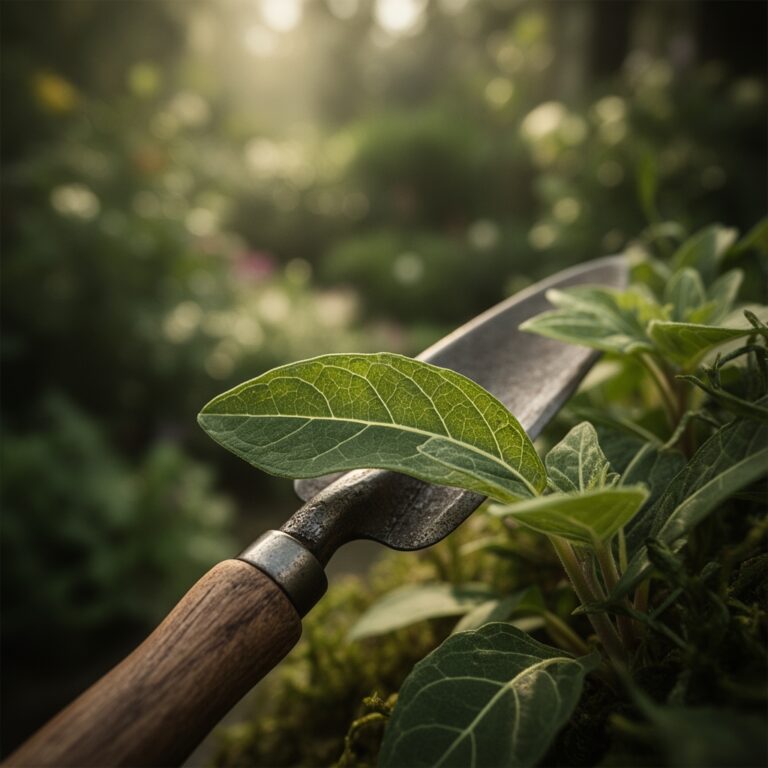
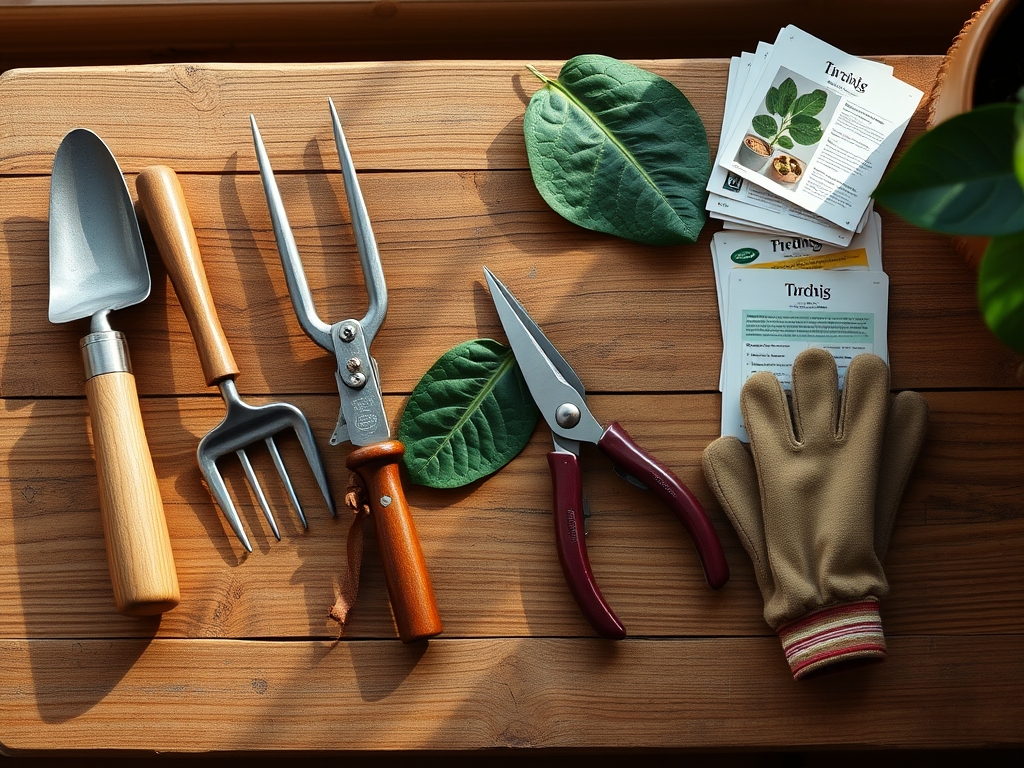
Dust accumulation on the leaves inhibits photosynthesis by blocking light and clogging stomata. Wipe each leaf monthly with a damp microfiber cloth. Use a hori-hori knife to gently aerate the top inch of soil if it becomes crusted. For structural pruning, use sharp bypass pruners to make clean cuts just above a leaf node. This stimulates lateral branching by removing the apical dominance of the lead bud, resulting in a bushier silhouette.
The Yield:
While Ficus lyrata is grown primarily for its architectural foliage, its "yield" is measured in leaf retention and trunk caliper. To maximize the aesthetic lifespan, maintain a consistent environment. Sudden drops in temperature or light intensity will trigger senescence, leading to the loss of lower leaves. If you must move the plant, do so gradually over a 14 day period to allow the internal cellular structures to acclimate to the new light levels.
FAQ:
How much light does a Fiddle Leaf Fig need?
Ficus lyrata requires 6 to 8 hours of bright, filtered sunlight daily. Use a light meter to target 2,000 to 4,000 lux. Avoid direct afternoon sun, which can cause leaf scorch and permanent cellular damage.
Why are my Fiddle Leaf Fig leaves falling off?
Leaf drop is typically caused by environmental shock or overwatering. Check for cold drafts or sudden changes in light. Ensure the top 2 inches of soil are dry before watering to prevent root hypoxia.
How often should I fertilize my Fiddle Leaf Fig?
Apply a 3-1-2 NPK fertilizer once a month during the active growing season (spring and summer). Suspend fertilization during the winter months when the plant's metabolic rate slows and nutrient demand is minimal.
How do I stop brown spots on my leaves?
Brown spots are often caused by fungal pathogens from overwatering or low humidity. Improve air circulation, use a well draining substrate, and ensure the pot has adequate drainage holes to prevent water from pooling at the base.
Can I grow a Fiddle Leaf Fig in low light?
No, Ficus lyrata will not thrive in low light. It will experience etiolation, where stems become weak and leggy, and it will eventually drop leaves as it fails to produce enough energy through photosynthesis.