9 Essential Steps to Grow Indoor Fruit Trees
The scent of damp, acidic peat moss mixed with the sharp metallic tang of a bypass pruner defines the indoor orchardist's workspace. Success requires more than a sunny window; it demands a calculated manipulation of turgor pressure and nutrient availability. Mastering the steps to grow indoor fruit trees involves transforming a living room into a high-functioning biosphere. You must control the rhizosphere to ensure the plant transitions from a mere decorative specimen into a productive, fruit-bearing organism.
Materials:
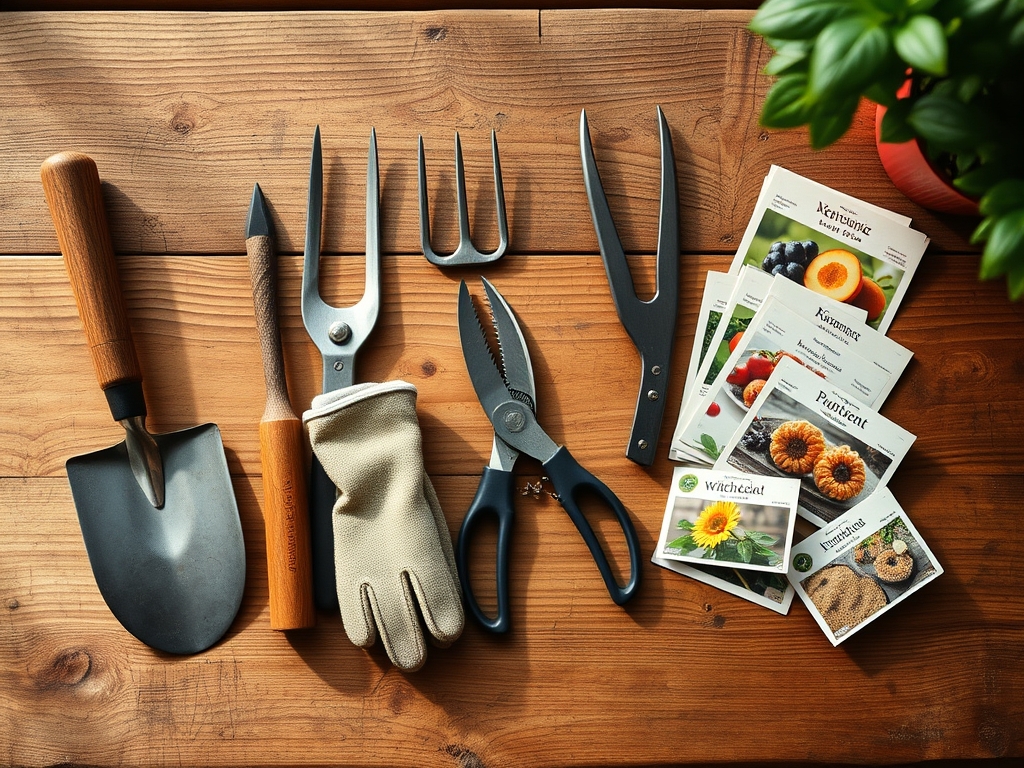
The foundation of indoor pomology is the substrate. Avoid standard potting soil which often lacks the structural integrity for long term woody perennials. You require a friable loam consisting of 40 percent composted bark; 30 percent perlite for aeration; and 30 percent coconut coir for moisture retention. This mixture ensures a high Cation Exchange Capacity (CEC), allowing the roots to efficiently swap hydrogen ions for essential nutrients.
Target a soil pH between 5.8 and 6.5 for most citrus and stone fruits. Use a digital probe to verify these levels. Your fertilizer regimen must change based on the growth stage. During the vegetative phase, use a high-nitrogen NPK ratio of 3-1-1 to encourage leaf canopy development. Once the tree reaches reproductive maturity, shift to a 1-3-2 ratio to prioritize phosphorus and potassium for flower induction and fruit set.
Timing:
While indoor environments are climate-controlled, plants still respond to external circadian rhythms and atmospheric pressure changes. Most indoor fruit trees are tropical or subtropical, originating from Hardiness Zones 9 through 11. They require a consistent temperature gradient between 65 and 85 degrees Fahrenheit.
The biological clock of an indoor tree is governed by the photoperiod. To trigger the transition from vegetative growth to the reproductive stage, many species require a specific duration of light. Citrus trees often need a "stress period" of cooler temperatures (around 50 degrees Fahrenheit) for several weeks in winter to stimulate bud differentiation. Failure to respect these seasonal cues results in a permanent state of senescence where the tree produces foliage but zero yield.
Phases:
Sowing and Germination
Starting from seed is rarely recommended for indoor fruit because most commercial varieties are grafted onto specific rootstocks. However, if sowing, maintain a constant bottom heat of 75 degrees Fahrenheit using a germination mat. This accelerates metabolic enzymes within the seed coat.
Pro-Tip: Scarification or soaking seeds for 24 hours increases germination rates by breaking physical dormancy. This allows water to penetrate the testa and activate the embryo.
Transplanting and Root Management
When moving a sapling to its permanent container, inspect the root architecture. Use a hori-hori knife to tease out circling roots. Ensure the graft union sits at least two inches above the soil line to prevent fungal infection and "scion rooting."
Pro-Tip: Dust the root ball with mycorrhizal fungi. This symbiotic relationship expands the surface area of the root system, allowing the plant to absorb phosphorus that would otherwise be chemically locked in the soil.
Establishing the Canopy
Indoor light is unidirectional. You must rotate the container 90 degrees every week to prevent lopsided growth. Use high-intensity discharge (HID) or full-spectrum LED lights to provide at least 15,000 lux for 12 to 16 hours daily.
Pro-Tip: Use auxin suppression techniques like "pinching" the terminal bud. By removing the apical meristem, you stop the flow of auxins downward, which encourages lateral branching and a bushier, more compact tree suitable for indoor spaces.
The Clinic:
Physiological disorders in indoor trees usually stem from environmental stressors rather than pathogens.
- Symptom: Interveinal Chlorosis. The leaf veins remain green while the tissue turns yellow.
- Solution: This indicates an Iron or Magnesium deficiency. Check the pH first. If pH is above 7.0, the tree cannot uptake iron. Lower the pH using elemental sulfur.
- Symptom: Leaf Drop (Abscission). Sudden loss of green leaves.
- Solution: This is often a response to osmotic shock or drastic temperature fluctuations. Ensure irrigation water is room temperature and eliminate drafts from HVAC vents.
- Symptom: Edema. Small bumps or blisters on the underside of leaves.
- Solution: The plant is taking up water faster than it can transpire. Increase airflow using a small oscillating fan to improve the vapor pressure deficit (VPD).
Fix-It for Nitrogen Chlorosis: If the oldest leaves turn pale yellow uniformly, apply a water-soluble fertilizer with a high Nitrogen (N) value immediately. Nitrogen is a mobile nutrient; the plant is scavenging it from old growth to support new shoots.
Maintenance:
Precision irrigation is the difference between a thriving tree and root rot. Use a soil moisture meter to verify that the top two inches of substrate are dry before adding water. Most indoor fruit trees require approximately 1.5 inches of water per week, delivered slowly at the drip line to ensure deep saturation.
Pruning is a continuous task. Use bypass pruners to remove "water sprouts"—vigorous vertical shoots that sap energy from fruiting wood. Maintain an open center to allow light penetration into the interior of the canopy. This prevents the interior leaves from reaching their light compensation point, the level where they consume more energy through respiration than they produce through photosynthesis.
The Yield:
Harvesting indoor fruit requires patience. Citrus fruit does not continue to ripen once removed from the branch. Use the "lift and twist" method; if the fruit does not detach with minimal force, the abscission layer has not yet formed, and the sugars are not fully developed.
For stone fruits or figs, look for a slight softening of the fruit wall and an increase in aromatic esters. Post-harvest, maintain "day-one" freshness by cooling the fruit immediately to 45 degrees Fahrenheit to slow down cellular respiration. If the tree has been properly fed with Potassium (K) during the ripening phase, the fruit will have higher brix levels (sugar content) and a firmer cellular structure.
FAQ:
How much light do indoor fruit trees actually need?
Most species require 12 to 16 hours of supplemental full-spectrum light. Aim for a minimum of 1,000 to 1,500 foot-candles. Without this intensity, the tree cannot sustain the metabolic cost of fruit production.
Why are the flowers falling off my tree?
This is often due to poor pollination or low humidity. Since indoor spaces lack wind and insects, you must manually transfer pollen using a small brush. Maintain humidity levels between 50 and 60 percent.
What is the best pot size for a fruit tree?
Start with a 5-gallon container for young trees and move up to a 15-gallon pot as the tree matures. Ensure the pot has multiple drainage holes to prevent anaerobic conditions in the rhizosphere.
Can I grow any fruit tree indoors?
Focus on dwarf or ultra-dwarf cultivars. These are genetically programmed to reach a maximum height of four to six feet. Common choices include Improved Meyer Lemon, Key Lime, and Petite Negri Fig.