9 Sensorial Ways How to Design a Fragrance Garden
Crush a handful of damp, friable loam and you will find the biological foundation of olfactory success. The scent of geosmin, produced by soil-dwelling Actinobacteria, indicates a healthy rhizosphere where nutrient cycling is active. Learning how to design a fragrance garden requires more than selecting pleasant petals; it demands an understanding of volatile organic compounds (VOCs) and the physiological triggers that release them into the atmosphere. To maximize scent, you must manage cellular turgor pressure and ensure the plant has the metabolic energy to produce complex essential oils. This process begins with precise soil chemistry and a strategic layout that captures air currents.
Materials:
The success of a scent-focused landscape depends on the Cation Exchange Capacity (CEC) of your substrate. High-CEC soils, typically those with a balanced percentage of clay and organic matter, retain the metallic ions necessary for enzyme production.
- Substrate Texture: Aim for a friable loam consisting of 40 percent sand, 40 percent silt, and 20 percent clay. This ratio ensures oxygen diffusion to the roots while maintaining moisture.
- Soil pH: Maintain a range between 6.0 and 7.0. Most scent-producing shrubs, such as Gardenia jasminoides, prefer a slightly acidic 5.5 to 6.0 pH to prevent iron chlorosis.
- NPK Ratios:
- Vegetative Phase: Use a 10-10-10 balanced fertilizer to establish structural integrity.
- Blooming Phase: Shift to a 5-10-5 or 10-30-20 ratio. High phosphorus levels are critical for ATP production, which fuels the synthesis of aromatic esters.
- Organic Matter: Incorporate 3 inches of well-aged compost to increase microbial activity.
Timing:
Timing is dictated by the United States Department of Agriculture (USDA) Hardiness Zones and the photoperiod requirements of specific species. In Zones 7 through 9, the planting window opens in early spring when soil temperatures reach a consistent 55 degrees Fahrenheit.
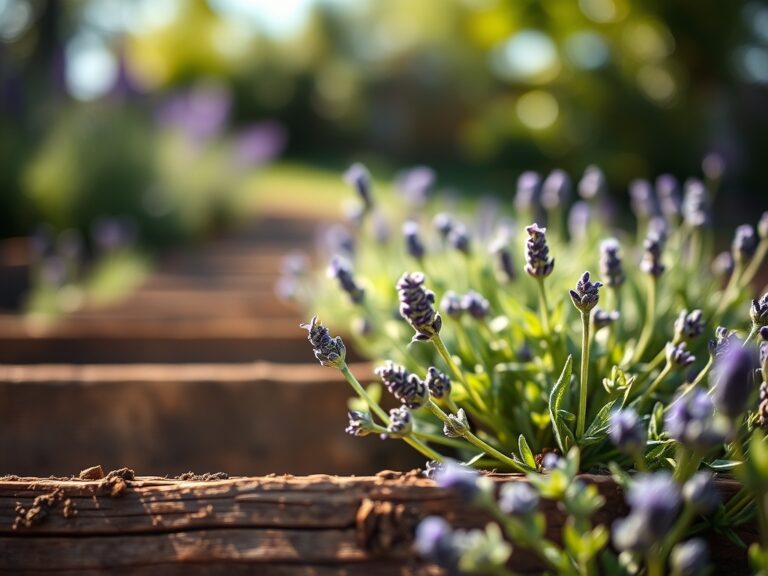
The biological clock of a fragrance garden is governed by the transition from vegetative growth to reproductive senescence. For example, Lavandula angustifolia requires a period of vernalization (cold treatment) to trigger heavy flowering. You must calculate your local frost-free date; planting should occur two weeks after the last predicted frost to avoid chilling injury, which can rupture cell walls and diminish the plant's ability to synthesize oils.
Phases:

Sowing and Site Selection
Position your garden in a location that receives at least six to eight hours of direct solar radiation. Scent molecules are highly volatile; they require heat to transition from a liquid state within the plant's glandular trichomes to a gaseous state in the air. Place low-growing herbs like Thymus citriodorus (Lemon Thyme) along walkways where foot traffic will cause mechanical stress, rupturing the oil glands.
Pro-Tip: Utilize the Allelopathic Effect. Some plants release biochemicals that inhibit the growth of neighbors. Ensure you space aggressive spreaders at least 24 inches apart to prevent root competition for micronutrients.
Transplanting
When moving nursery stock into the ground, ensure the root ball is saturated. Dig a hole twice as wide as the root system but no deeper. This prevents the settling of the crown, which can lead to Phytophthora root rot.
Pro-Tip: Prioritize Mycorrhizal Symbiosis. Inoculating the planting hole with endomycorrhizal fungi increases the surface area of the root system by up to 1,000 percent, improving the uptake of phosphorus, which is the primary driver of flower production.
Establishing and Structuring
Design in layers to create a "scent trap." Use evergreen hedges like Taxus or Buxus to create a windbreak. This prevents the wind from dissipating the VOCs too quickly. Arrange plants according to their release times: night-blooming species like Nicotiana alata should be placed near windows or seating areas where evening cooling causes the scent to linger near the ground.
Pro-Tip: Understand Auxin Suppression. Pinching back the terminal buds of young plants suppresses apical dominance. This redirects auxins to lateral buds, creating a bushier plant with more flowering sites and higher scent output.
The Clinic:
Physiological disorders often manifest as visual cues in the foliage. Monitoring these symptoms allows for rapid intervention.
- Symptom: Interveinal chlorosis (yellowing leaves with green veins) on new growth.
- Solution: This indicates an Iron (Fe) deficiency, often caused by high soil pH. Apply chelated iron and check if the pH has risen above 7.0.
- Symptom: Purpling of the lower leaves and stunted growth.
- Solution: This is a Phosphorus (P) deficiency. It often occurs in cold, wet soils where P becomes chemically locked. Increase soil temperature with organic mulch and apply a high-phosphate liquid feed.
- Symptom: Leaf tip burn and marginal necrosis.
- Solution: This typically suggests Potassium (K) deficiency or salt accumulation. Flush the rhizosphere with 3 gallons of water per square foot to leach excess salts and supplement with sulfate of potash.
Maintenance:
Precision maintenance ensures the longevity of the aromatic compounds. Use a soil moisture meter to maintain a consistent moisture level. Most fragrant perennials require 1.5 inches of water per week, delivered via drip irrigation to avoid wetting the foliage. Wet leaves are susceptible to fungal pathogens like powdery mildew, which can coat the leaf surface and reduce photosynthesis.
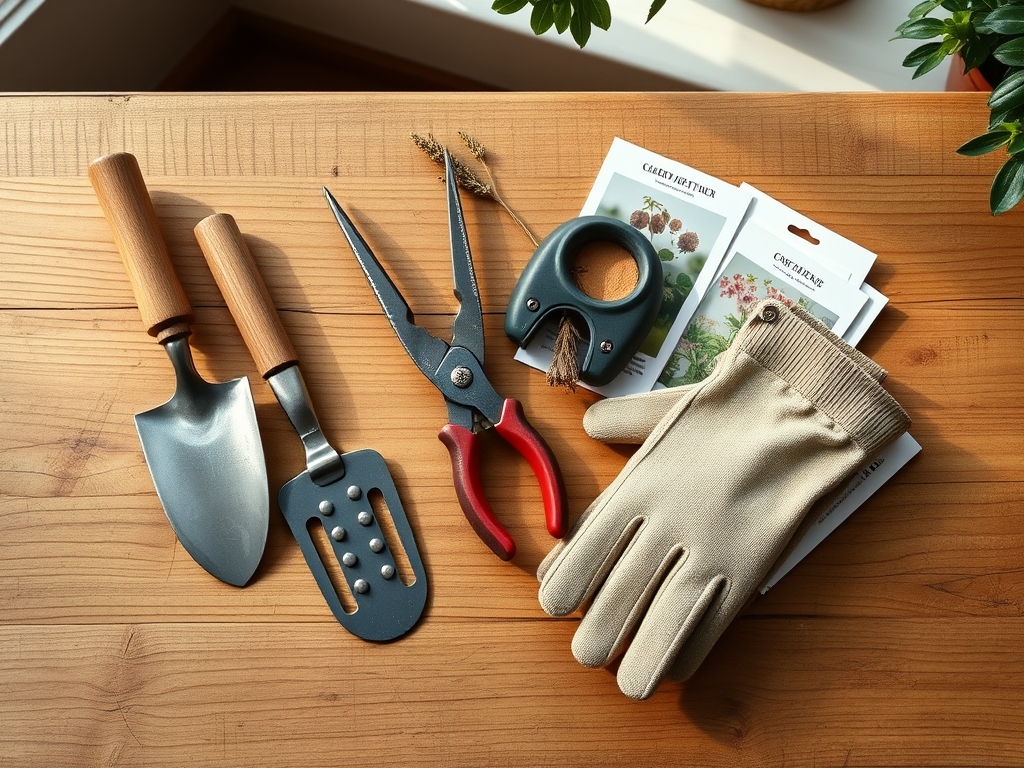
Use a sharp hori-hori knife for weeding to ensure you remove the entire taproot of competitors without disturbing the delicate lateral roots of your fragrant plants. For pruning, use bypass pruners to make clean, slanted cuts 0.25 inches above a lateral bud. This encourages rapid callous formation and prevents the entry of pathogens.
The Yield:
If you are harvesting flowers for indoor use or essential oil extraction, timing is the most critical variable. The concentration of VOCs is highest in the early morning, just after the dew has evaporated but before the sun reaches its zenith. Heat causes the oils to dissipate into the atmosphere, leaving the flower less potent by midday.
Use sterilized snips to cut the stem. Immediately place the cut end into 100-degree Fahrenheit water. This "pulse" treatment prevents air bubbles from forming in the xylem (embolism), ensuring continued hydration and "day-one" freshness for the duration of the bloom's vase life.
FAQ:
How do I make my garden smell stronger?
Increase solar exposure and manage soil phosphorus levels. Heat volatilizes essential oils, while phosphorus provides the metabolic energy (ATP) for oil synthesis. Use windbreaks to trap the scent molecules within the garden's microclimate.
Which plants have the strongest evening scent?
Species such as Brugmansia, Nicotiana alata, and Zaluzianskya capensis are evolved to attract nocturnal pollinators. They reach peak VOC emission as light levels drop, utilizing a biological clock triggered by the photoperiod.
Can I grow a fragrance garden in containers?
Yes. Use a high-porosity potting mix and ensure containers have adequate drainage. Because nutrients leach faster in pots, apply a water-soluble 10-30-20 fertilizer every 14 days during the active blooming cycle to support scent production.
Why did my lavender lose its scent?
This is often due to over-fertilization with nitrogen or excessive water. High nitrogen levels prioritize leaf mass over oil production. Ensure the plant is in well-draining soil with a pH near 7.0 and minimal organic intervention.