9 Simple Steps to Use Bamboo Stakes
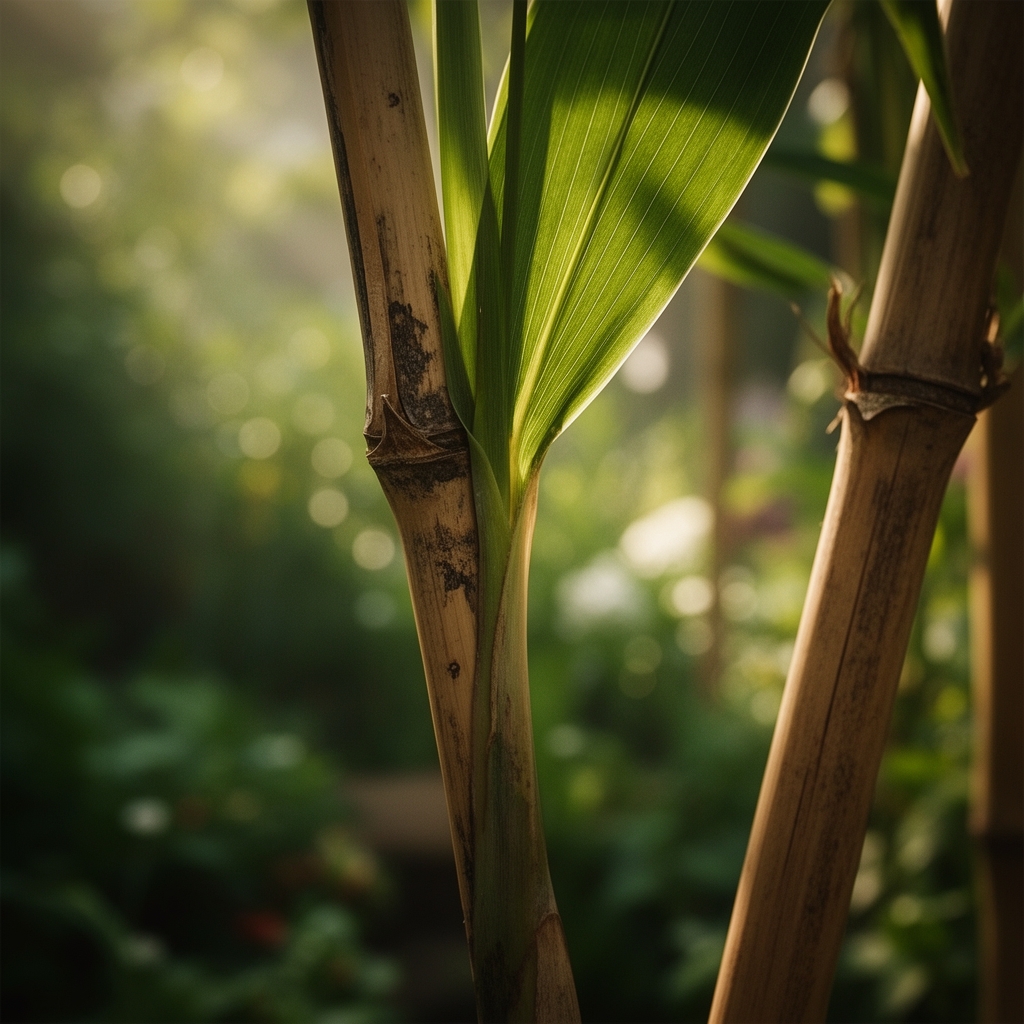
Bamboo stakes drive cleanly into moist spring soil with a single firm push, anchoring tomato cages, staking dahlias, and supporting climbing beans without splitting the stems they protect. Learning the proper steps to use bamboo stakes transforms a tangle of collapsing vines into an orderly vertical garden that maximizes photosynthetic surface area and airflow. These lignified culms, harvested from running or clumping species of Phyllostachys or Bambusa, offer tensile strength comparable to steel rebar while remaining lightweight and biodegradable. Their natural silica content resists rot for three to five seasons when properly installed.
Materials
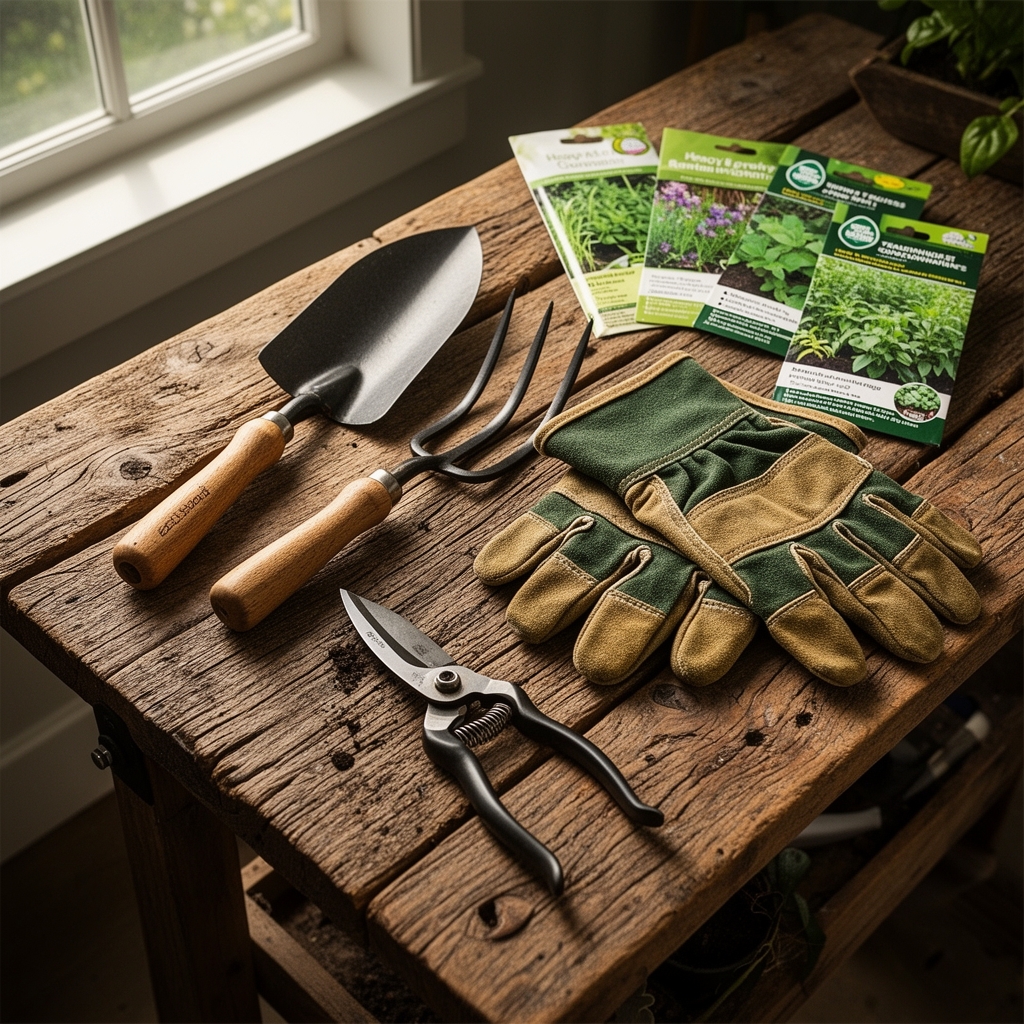
Select stakes in diameters from 0.25 to 1.5 inches depending on the mature weight of your target crop. Indeterminate tomatoes require 0.75-inch stakes driven 18 inches deep. Pole beans thrive on 0.5-inch diameter supports. Purchase stakes pre-treated with linseed oil or apply a 10% copper naphthenate solution to the bottom third before installation.
Pair stakes with natural-fiber jute twine rated for 40-pound test or silicone-coated garden ties that expand as stems thicken. Avoid plastic zip ties that girdle stems and disrupt auxin distribution during active growth phases.
Amend planting beds to pH 6.2 to 6.8 using dolomitic limestone at 5 pounds per 100 square feet if testing below 6.0. Incorporate a 4-4-4 organic fertilizer blend of feather meal, bone meal, and kelp at 2 pounds per 100 square feet two weeks before transplanting. This balanced NPK ratio supports both vegetative scaffolding and reproductive development without excessive nitrogen that promotes weak, leggy growth susceptible to lodging.
Mycorrhizal fungi inoculant applied at transplant colonizes roots within 14 days, increasing phosphorus uptake by 300% and improving drought tolerance. Choose Glomus intraradices or Rhizophagus irregularis strains formulated for vegetables.
Timing
In USDA Hardiness Zones 5 through 7, install stakes simultaneously with transplanting, typically two weeks after the last spring frost when soil temperatures stabilize above 55°F. For Zone 8 through 10 gardeners, late February through March offers ideal conditions. Cold-season crops like snap peas accept staking in early April for Zone 5, mid-March for Zone 7.
Wait until seedlings develop their second true leaf set before staking to avoid root disturbance during the critical establishment window. Transplant shock reduces cation exchange capacity temporarily, limiting nutrient absorption for 7 to 10 days.
Autumn staking for overwintering fava beans or garlic scapes occurs six weeks before the first hard freeze, allowing roots to anchor before dormancy.
Phases

Sowing and Early Growth
Direct-sown beans, cucumbers, and squash receive stakes when the first tendril appears, approximately 18 days post-germination. Position stakes 4 inches from the stem base at a 15-degree outward angle to accommodate root flare as the plant matures.
Drive stakes 12 to 18 inches deep using a rubber mallet, checking vertical alignment with a 24-inch spirit level. Shallow installation leads to toppling when fruit load increases during peak production.
Pro-Tip: Apply 0.25 inch of compost mulch in a 6-inch ring around each stake to suppress weed competition and maintain soil moisture at 60% field capacity.
Transplanting Phase
For greenhouse-started tomatoes, peppers, and eggplants, insert stakes before removing seedlings from containers. This sequence prevents root severance. Match stake height to mature plant specifications: determinate tomatoes need 4-foot stakes, indeterminates require 6 to 8 feet.
Space stakes 24 inches apart in rows, 36 inches between rows for adequate air circulation that reduces Botrytis cinerea and powdery mildew pressure.
Pro-Tip: Dip the bottom 6 inches of each stake in a slurry of Trichoderma harzianum before installation. This beneficial fungus colonizes the rhizosphere and suppresses Fusarium and Pythium pathogens.
Establishment and Training
Begin tying plants to stakes when stems reach 8 inches tall. Use a figure-eight knot that cushions the stem against the stake while preventing constriction. Tie at 10-inch vertical intervals as growth proceeds.
Prune suckers from tomato leaf axils weekly, making cuts at a 45-degree angle 0.25 inch above the branch collar. This directs carbohydrate resources to fruit development rather than excessive foliage.
Pro-Tip: Train vining crops counterclockwise around stakes in the Northern Hemisphere to align with natural circumnutation patterns driven by Coriolis effect and gravitropic response.
Troubleshooting
Symptom: Stakes lean or collapse mid-season.
Solution: Reinforce with cross-bracing using horizontal bamboo rails lashed at 24-inch and 48-inch heights. Drive additional stakes at 45-degree angles as buttresses.
Symptom: Stems develop girdling wounds where ties contact tissue.
Solution: Replace ties every 3 weeks during rapid growth phases. Use 1-inch-wide fabric strips instead of narrow twine to distribute pressure across 4 square centimeters of stem surface.
Symptom: Stakes rot at soil line after one season.
Solution: Char the bottom 8 inches of bamboo over open flame until blackened. This carbonization process creates a hydrophobic layer resistant to saprophytic fungi for up to 6 years.
Symptom: Aphid colonies cluster where stems touch stakes.
Solution: Spray a 2% neem oil emulsion at 7-day intervals. The azadirachtin compound disrupts molting hormones without harming predatory lacewing larvae.
Symptom: Fruit sunscald on south-facing stake rows.
Solution: Install 30% shade cloth on stakes from 11 AM to 3 PM during heat events exceeding 90°F. Maintain leaf canopy through selective pruning rather than severe defoliation.
Maintenance
Water staked plants with 1 inch per week delivered in two 0.5-inch applications to encourage deep rooting. Drip irrigation positioned 3 inches from stake bases reduces foliar moisture that promotes bacterial speck.
Fertilize every 14 days with fish emulsion diluted to 1 tablespoon per gallon, applying 1 pint per plant. This 5-1-1 NPK ratio sustains vegetative growth without excessive nitrogen that delays fruiting.
Inspect ties weekly, loosening any that compress stems to less than 90% of their natural diameter. Check stakes for splits or cracks that compromise structural integrity.
Remove stakes after final harvest, allowing soil to rest for 30 days. Brush off soil, sanitize in a 10% bleach solution for 10 minutes, rinse, and air-dry completely before storage. Properly maintained bamboo stakes serve 4 to 5 growing seasons.
FAQ
How deep should bamboo stakes be driven?
Install stakes to one-third of their total length, with a minimum depth of 12 inches for 4-foot stakes and 18 inches for 6-foot or taller supports.
Can bamboo stakes be reused across seasons?
Yes. Sanitize with diluted bleach, inspect for structural damage, and retreat cut ends with linseed oil annually. Expect 4 to 5 years of service.
What diameter stake supports indeterminate tomatoes?
Use 0.75 to 1 inch diameter stakes for plants bearing 15 to 25 pounds of fruit. Smaller diameters flex excessively under load.
When should I tie plants to stakes?
Begin at 8 inches of stem growth, then add ties every 10 inches vertically as the plant develops. Use figure-eight knots to prevent girdling.
Do bamboo stakes attract termites?
Subterranean termites rarely attack bamboo due to high silica content. Annual inspection and proper soil drainage prevent infestation risk below 1%.