9 Simple Steps to Use Macrame Plant Handers
The smell of damp peat moss and the firm turgor of a well hydrated leaf define the success of an indoor vertical garden. Utilizing vertical space requires more than just aesthetic choice; it demands an understanding of structural load and plant physiology. Learning the specific steps to use macrame plant hangers allows a grower to optimize light exposure and airflow. By elevating the container, you manipulate the microclimate around the foliage, reducing the risk of fungal pathogens that thrive in stagnant, floor level air. Precision in weight distribution and pot selection ensures the root zone remains undisturbed during the suspension process. Success hinges on the intersection of mechanical stability and horticultural health. You must calculate the saturated weight of your substrate before selecting a mounting point. A standard ten inch ceramic pot filled with wet soil can exceed fifteen pounds. Failure to account for this gravitational pull results in structural failure or root shear. This guide provides the technical framework for integrating these textile supports into a professional cultivation environment.
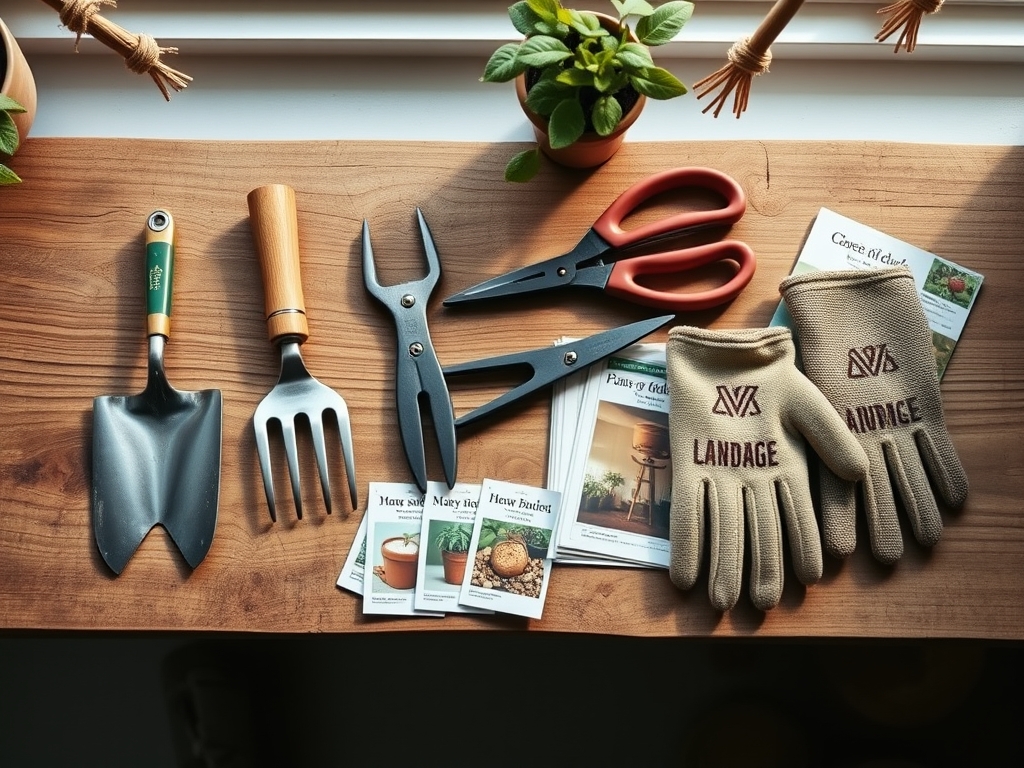
Materials:
The substrate used in suspended containers must be a **friable loam** with high porosity to prevent anaerobic conditions. For most tropical species housed in macrame, target a **soil pH between 5.8 and 6.5**. The Cation Exchange Capacity (CEC) should be high enough to retain nutrients without causing salt buildup. Use a controlled release fertilizer with an **NPK ratio of 10-10-10** for general maintenance or a **7-9-5 ratio** for flowering species like Hoya. The physical texture should consist of **40 percent coco coir, 30 percent perlite, and 30 percent composted organic matter**. This composition ensures that the weight remains manageable while maintaining the capillary action necessary for moisture distribution. Avoid heavy field soils that compact over time and restrict oxygen access to the rhizosphere.
Timing:
Suspension timing should align with the active vegetative growth phase. In Hardiness Zones 7 through 10, this typically begins after the last spring frost when light intensity increases. For indoor environments, monitor the photoperiod. As day length exceeds 12 hours, plants exit dormancy and enter a period of rapid cellular division. This is the optimal window for transitioning a plant into a macrame hanger. Moving a plant during its "Biological Clock" transition from vegetative to reproductive stages can cause bud abscission due to the stress of changing light angles. Aim to install hangers when the plant is in a steady state of transpiration. Avoid transplanting or hanging during the dark winter months when metabolic rates are at their lowest and the plant is least capable of recovering from root disturbance.
Phases:
Sowing and Potting
Select a container with a substantial drainage hole and a diameter that fits snugly within the macrame cradle. Place a layer of mesh over the drainage hole to prevent substrate loss. Fill the pot with the prepared friable loam, leaving one inch of headspace at the rim to prevent overflow during irrigation.
Pro-Tip: Proper pot centering is vital for gravitropism. If the pot tilts, the plant will expend excess energy producing lignin to straighten its stem, detracting from leaf production.
Transplanting and Securing
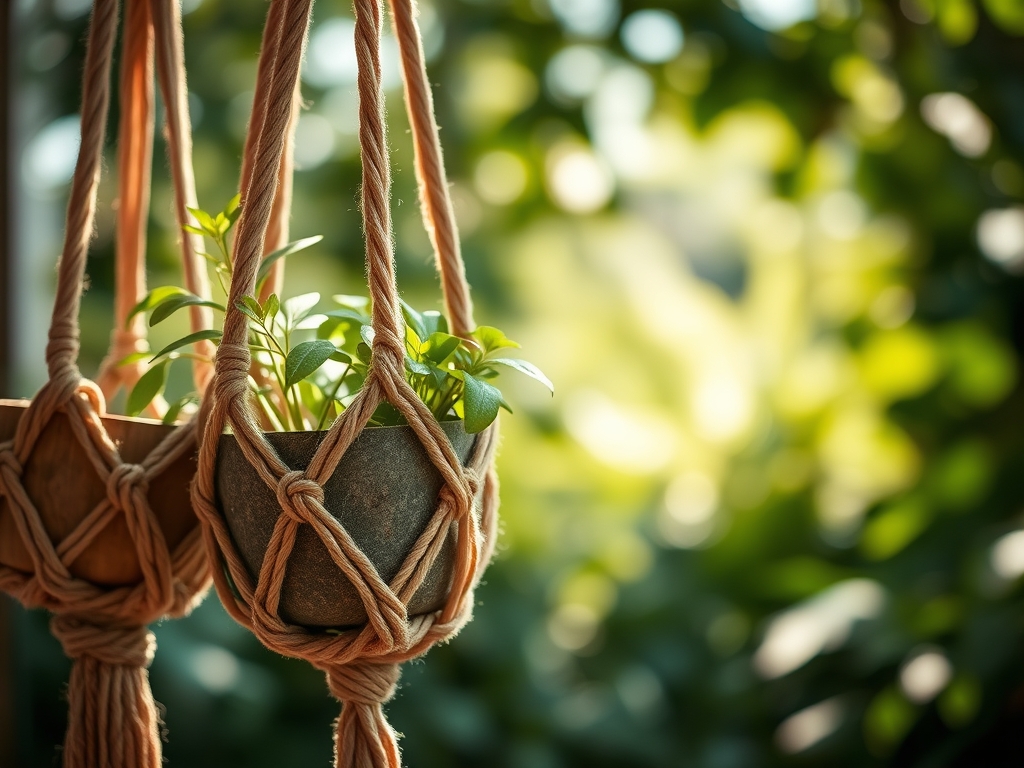
Slide the pot into the macrame knots, ensuring the base is level. The four main cords must be spaced evenly around the circumference of the pot. Check that no stems are pinched between the cord and the rim, as this can restrict the flow of water and nutrients through the xylem and phloem.
Pro-Tip: Ensure the hanger is positioned to maximize phototropism. By suspending the plant, you allow light to reach the lower nodes, preventing the lower leaf senescence often seen in floor plants.
Establishing the Vertical Position
Once hung, do not rotate the plant for the first 14 days. This allows the plant to orient its chloroplasts toward the primary light source. Monitor the tension of the macrame cords; natural fibers like cotton may stretch by 3 to 5 percent when first under load.
Pro-Tip: Elevation increases air circulation, which boosts the rate of transpiration. This mechanical cooling prevents heat stress but requires more frequent monitoring of the soil moisture levels.
The Clinic:
Physiological disorders in suspended plants often stem from the unique environmental pressures of elevation.
- Symptom: Marginal Leaf Burn. This often indicates salt accumulation. Solution: Flush the substrate with distilled water until the runoff measures below 0.5 mS/cm on an EC meter.
- Symptom: Interveinal Chlorosis. This is a classic sign of Magnesium deficiency. Fix-It: Apply a foliar spray of Epsom salts at a concentration of one tablespoon per gallon of water.
- Symptom: Uniform Yellowing of Older Leaves. This indicates Nitrogen chlorosis. Fix-It: Amend the soil with a high nitrogen liquid fertilizer, such as a 5-1-1 fish emulsion, to restore chlorophyll production.
- Symptom: Stem Elongation (Etiolation). The plant is reaching for light. Solution: Lower the macrame hanger or move it closer to a south facing window to increase the Photosynthetic Photon Flux Density (PPFD).
Maintenance:
Precision irrigation is the cornerstone of suspended plant health. Use a soil moisture meter to verify that the top two inches of substrate are dry before adding water. Most tropical plants in six to eight inch pots require approximately 0.75 to 1.5 inches of water per week, delivered directly to the soil surface. Use a long necked watering can to avoid wetting the macrame fibers, which can lead to cellulose degradation and mold.
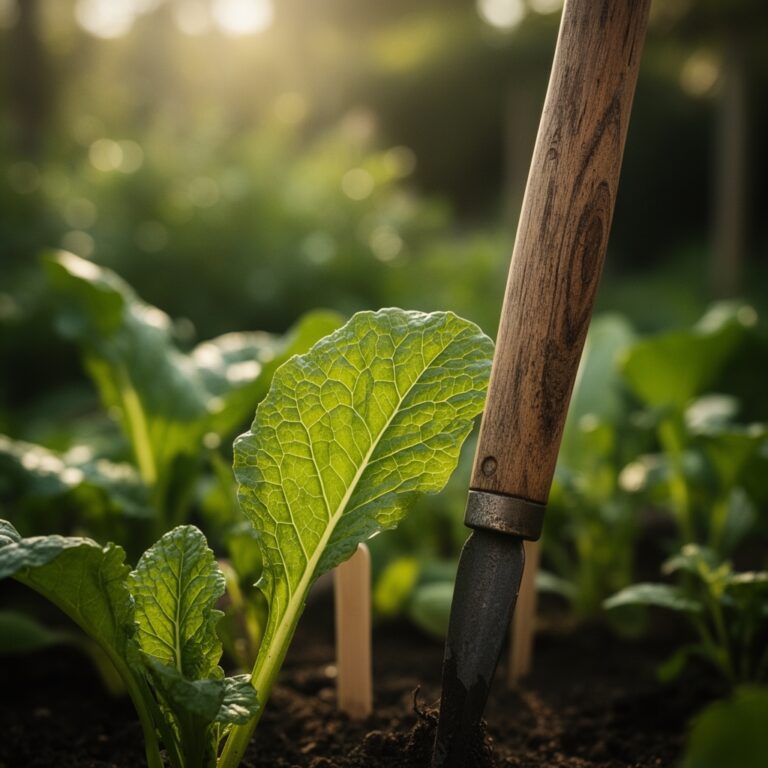
Perform monthly structural audits. Inspect the mounting hardware and the integrity of the knots. Use bypass pruners to remove any necrotic tissue or spent blooms, which prevents the plant from wasting energy on dying structures. If roots begin to emerge from the drainage hole, use a hori-hori knife to gently probe the root ball; if it feels solid, it is time to upsize the pot and the hanger.
The Yield:
For those growing trailing herbs or edible flowers in macrame, harvest timing is critical. Harvest during the early morning when turgor pressure is at its peak. Use sharp snips to take cuttings just above a node to encourage branching. For "day-one" freshness, immediately submerge the cut ends in cool water to maintain the hydraulic column within the stem. Post harvest, the plant will require a slight increase in potassium to support the repair of vascular tissues.
FAQ:
How do I choose the right size macrame hanger?
Measure the pot diameter at the rim. The hanger should specify a maximum pot size. Ensure the weight capacity of the ceiling hook exceeds the saturated weight of the pot and plant by at least 25 percent.
Can I use macrame hangers outdoors?
Yes, but use synthetic fibers like polyolefin or nylon. Natural cotton degrades when exposed to UV radiation and moisture, leading to structural failure within one season. Ensure the mounting point can withstand local wind loads.
How do I prevent water from dripping on the floor?
Use a pot with a built in reservoir or a deep, matching saucer. Alternatively, remove the plant from the hanger, water it in a sink, and allow it to reach field capacity before re-hanging.
Why is my suspended plant drying out so fast?
Higher elevation exposes the plant to warmer air and increased airflow, accelerating evapotranspiration. Monitor the soil daily with a moisture meter and consider adding vermiculite to the soil mix to improve water retention.