9 Vital Steps to Maintain Open Terrariums
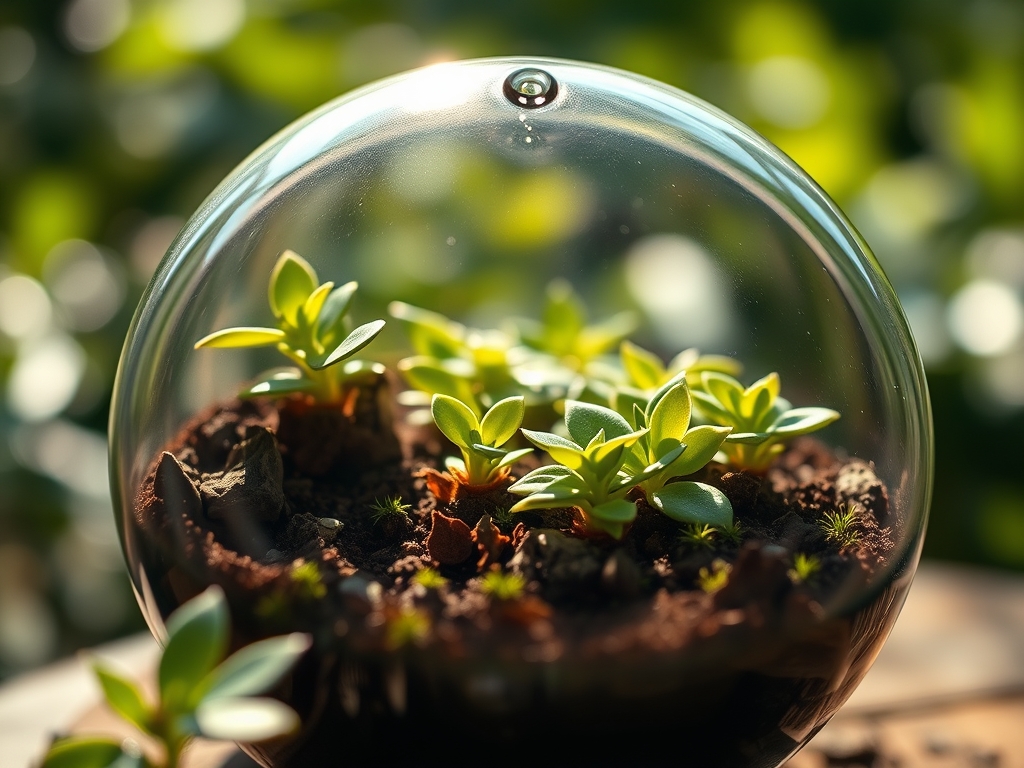
Open terrariums demand precision. The exposed environment invites rapid moisture loss, temperature swings, and dust accumulation that closed systems never face. Learning the steps to maintain open terrariums transforms a wilting collection of succulents into a self-regulating miniature ecosystem that thrives for years with minimal intervention, provided you adjust watering frequency, monitor substrate pH, and rotate specimens quarterly to ensure even auxin distribution.
Materials
Select a well-draining substrate blend: two parts coarse sand, one part peat moss (pH 3.5–4.0), and one part perlite. Amend with a 4-4-4 organic meal at 1 tablespoon per gallon of mix to ensure slow-release nitrogen without salt buildup. Include activated charcoal at 5% by volume to absorb phenolic compounds and prevent anaerobic pockets. For succulents, increase sand to three parts and substitute coir (pH 5.5–6.5) for peat to raise the substrate pH closer to 6.0.
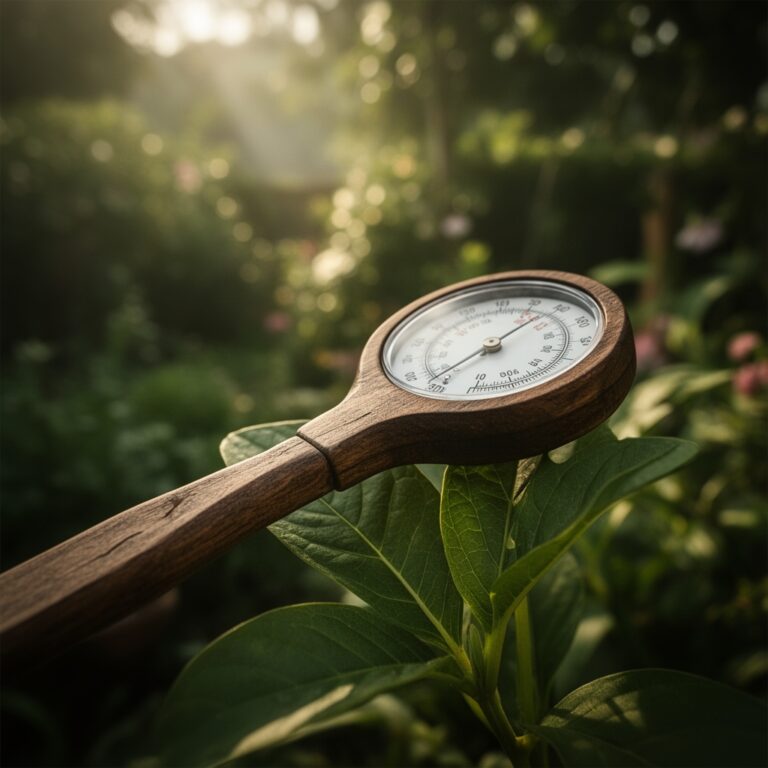
Use a container with no drainage holes but a layer of coarse gravel (0.5–1 inch) at the base to create a perched water table. This mimics natural capillary action without waterlogging roots. Acquire a digital hygrometer to track ambient humidity (target 30–50% for arid-adapted species) and a soil pH meter calibrated monthly with buffer solutions at pH 4.0 and 7.0.
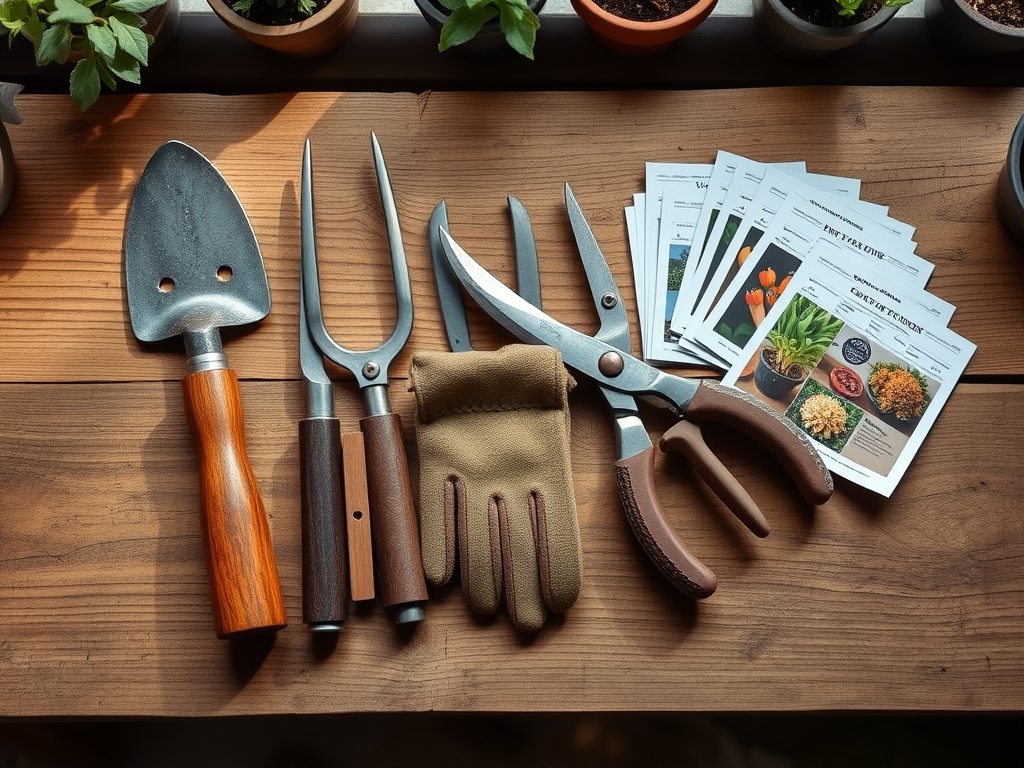
Stock chelated iron (Fe-EDTA) and calcium sulfate (gypsum) to correct micronutrient deficiencies and adjust cation exchange capacity when hard water deposits accumulate on foliage.
Timing
Establish open terrariums between late March and mid-May in USDA Hardiness Zones 5–7, when indoor heating cycles end and relative humidity stabilizes above 40%. Tropical specimens (ferns, Fittonia) tolerate year-round planting indoors but show fastest root colonization when soil temperatures remain between 65–75°F for four consecutive weeks.
In Zones 8–10, avoid June through August installations. High evapotranspiration rates during peak summer require daily misting, accelerating mineral buildup on glass surfaces and leaf margins. Instead, plant in September when cooling trends reduce water demand by 30–40%.
Frost-date windows matter less for indoor terrariums, but photoperiod shifts affect growth. Supplement with 14 hours of 5000K LED light from November through February to maintain net photosynthesis above the compensation point.
Phases

Sowing and Initial Planting
Sow moss spores or position juvenile plants with root crowns 0.25 inches below the substrate surface. Compress soil gently around root balls to eliminate air pockets but avoid compaction that reduces oxygen diffusion. Water with 2 ounces of dechlorinated water per square inch of surface area, allowing the substrate to reach 60% field capacity.
Pro-Tip: Inoculate roots with Glomus intraradices mycorrhizal fungi at 0.5 grams per plant. This endomycorrhizal species extends nutrient uptake radius by 10–15 cm and improves phosphorus acquisition in low-NPK substrates.
Transplanting and Rearranging
Wait 8–12 weeks before relocating specimens. Roots establish lateral networks during this period. When transplanting, prune damaged roots at a 45-degree angle with sterilized shears to stimulate lateral branching. Submerge root balls in room-temperature water for 30 seconds to prevent air embolism in xylem vessels.
Pro-Tip: Rotate the container 90 degrees every two weeks during the establishment phase. This counteracts phototropism and promotes symmetrical canopy development.
Establishing Equilibrium
Monitor substrate moisture with a wooden skewer inserted 1 inch deep. Water only when the skewer emerges dry after 10 seconds. Reduce watering frequency from twice weekly to once every 10 days as plants acclimate. Apply 1/4-strength liquid fertilizer (2-1-2 NPK ratio) monthly during active growth, diluting to 50 ppm nitrogen to prevent salt accumulation.
Pro-Tip: Prune etiolated stems at nodes 0.5 inches above axillary buds to redirect auxin flow and encourage compact growth habit.
Troubleshooting
Symptom: Chlorotic leaf margins with brown crispy edges.
Solution: Salt buildup from hard water or over-fertilization. Flush substrate with distilled water at twice the container volume. Switch to rainwater (TDS below 50 ppm) or reverse-osmosis water.
Symptom: White fungal mycelium across substrate surface.
Solution: Excess moisture and poor air circulation. Remove visible mycelium with a spoon. Reduce watering by 50% and position a small fan 3 feet away on low speed for 2 hours daily to increase evaporation.
Symptom: Yellowing lower leaves with green veins (interveinal chlorosis).
Solution: Iron deficiency in alkaline substrates (pH above 7.0). Drench with chelated iron solution at 1 teaspoon per quart. Top-dress with sulfur at 0.5 tablespoons per gallon of substrate to lower pH by 0.5 units over six weeks.
Symptom: Mealybugs clustered in leaf axils.
Solution: Dab individual insects with 70% isopropyl alcohol on a cotton swab. Spray all foliage with insecticidal soap (2% potassium salts of fatty acids) weekly for three weeks.
Maintenance
Water every 7–14 days depending on species and season. Deliver 0.25 inches of water per application, measured with a graduated cylinder. Mist xerophytic species lightly every 3–4 days instead of drenching.
Remove dead foliage with sterilized scissors immediately. Decaying plant matter releases ethylene gas that accelerates senescence in neighboring tissues. Wipe glass interiors monthly with a vinegar solution (1 part white vinegar to 3 parts water) to dissolve mineral deposits without harming plants.
Replenish substrate top layer annually. Scrape away the upper 0.5 inches and replace with fresh mix to restore cation exchange capacity and prevent hydrophobic crusting.
FAQ
How often should I water an open terrarium?
Water every 7–14 days when the top 1 inch of substrate feels dry to touch. Succulents require watering every 14–21 days, while ferns need moisture every 5–7 days.
Can I use tap water for open terrariums?
Use tap water only if TDS measures below 150 ppm and pH is 6.0–7.0. Otherwise, switch to distilled or rainwater to prevent mineral accumulation.
Why are my plants stretching toward the light?
Insufficient light intensity causes etiolation. Move the terrarium within 12 inches of a south-facing window or supplement with 2000–3000 lux of artificial light for 12–14 hours daily.
Do open terrariums need fertilizer?
Apply diluted liquid fertilizer (1/4 strength, 2-1-2 ratio) once monthly during spring and summer. Withhold fertilizer from October through February when growth slows.
What humidity level is ideal?
Maintain 30–50% relative humidity for succulents and cacti, 50–70% for tropical species. Use a digital hygrometer and adjust watering frequency accordingly.