10 Pro Tips How to Use Cow Pots
The smell of composted manure mixed with pulp fiber fills the greenhouse each spring as seedlings push through the walls of biodegradable cow pots. These compressed containers, manufactured from composted cow manure and recycled paper, eliminate transplant shock while feeding soil microbes. Learning how to use cow pots correctly transforms germination rates and root development because the entire pot decomposes within 3-6 weeks after burial, releasing nitrogen gradually while roots penetrate the walls without circling.
Materials
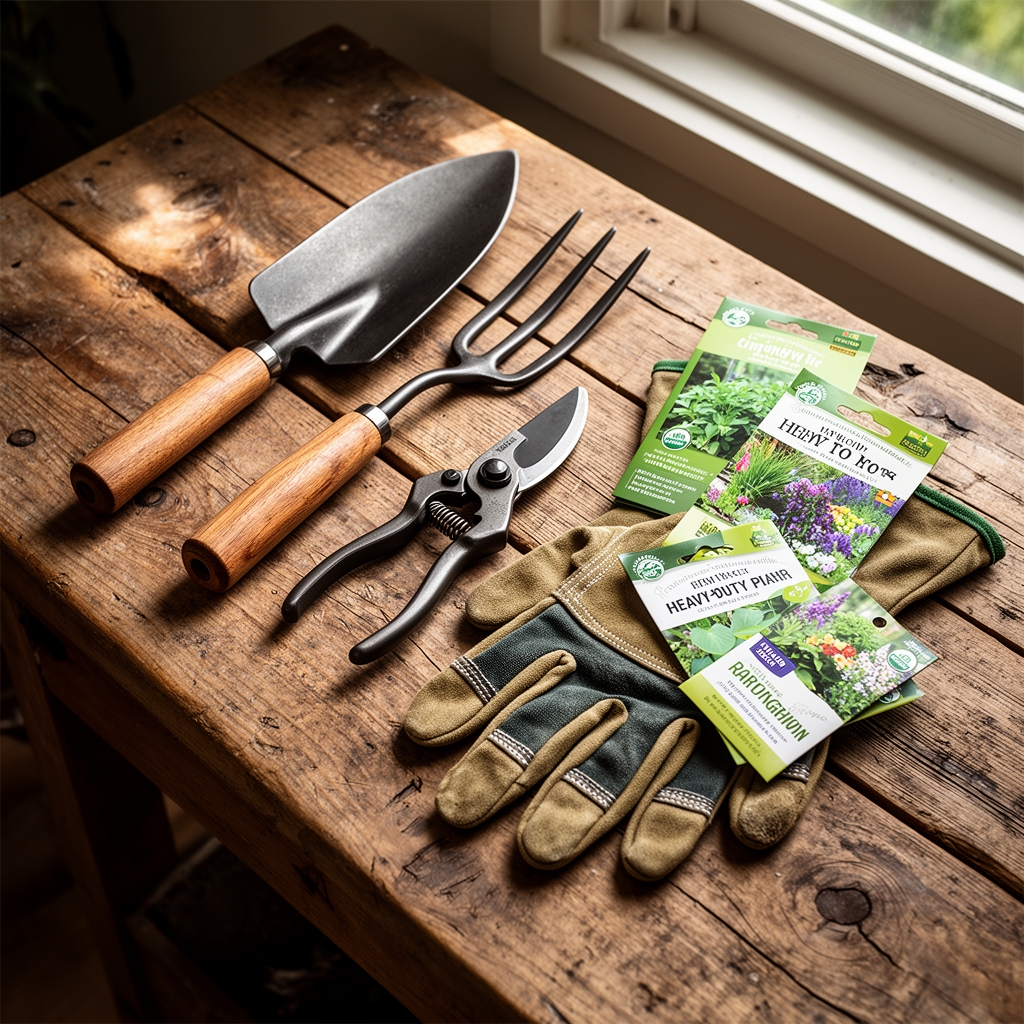
Cow pots arrive pressed into 2-inch, 3-inch, or 4-inch cells with a typical NPK analysis of 0.5-0.3-0.2 from residual manure solids. The cation exchange capacity ranges from 40-60 meq/100g, substantially higher than peat pellets at 15-25 meq/100g. Pair these containers with a sterile seed-starting mix rated at pH 5.8-6.2. Incorporate a balanced organic amendment like 4-4-4 feather meal blend or 5-5-5 composted poultry litter to buffer against nutrient leaching during the 6-8 week seedling phase.
Additional materials include vermiculite (grade 2 or 3) to improve aeration, dolomitic lime at 2 tablespoons per gallon of mix to stabilize pH, and liquid kelp concentrate (0-0-1 NPK) for trace minerals. A heat mat maintaining 72-78°F accelerates germination by 40% in cool-season crops. Mycorrhizal inoculant powder containing Glomus intraradices at 100 propagules per gram increases phosphorus uptake by colonizing emerging radicles within 10 days.
Timing
In USDA Hardiness Zones 3-5, start seeds indoors 8-10 weeks before the last expected frost. Zones 6-7 require 6-8 weeks, while Zones 8-10 need only 4-6 weeks for warm-season species. Consult regional frost-date maps: last spring frost averages April 30 in Zone 5b but extends to May 20 in Zone 4a. Cool-season brassicas tolerate soil temperatures down to 40°F, allowing transplant 3-4 weeks before the last frost. Warm-season solanaceous crops demand soil temperatures above 60°F, typically 1-2 weeks after the frost-free date.
Monitor soil temperature with a probe at 4-inch depth. Transplanting into cold soil below species-specific thresholds halts auxin distribution and stimulates pathogen pressure from Pythium and Rhizoctonia species. The cow pot's permeable walls amplify this vulnerability during the first 72 hours after transplant.
Phases

Sowing: Fill each cow pot to within 1/4 inch of the rim. Firm the medium gently to eliminate air pockets that disrupt capillary action. Sow seeds at twice their diameter in depth: 1/4 inch for lettuce, 1/2 inch for tomatoes, 1 inch for cucurbits. Water from below by placing pots in a tray with 1/2 inch of water for 20 minutes. The manure fibers wick moisture efficiently, maintaining 60-70% saturation.
Pro-Tip: Dust seeds with Trichoderma harzianum spores at sowing. This antagonistic fungus colonizes the cow pot's decomposing fibers and suppresses damping-off pathogens by secreting chitinase enzymes that degrade fungal cell walls.
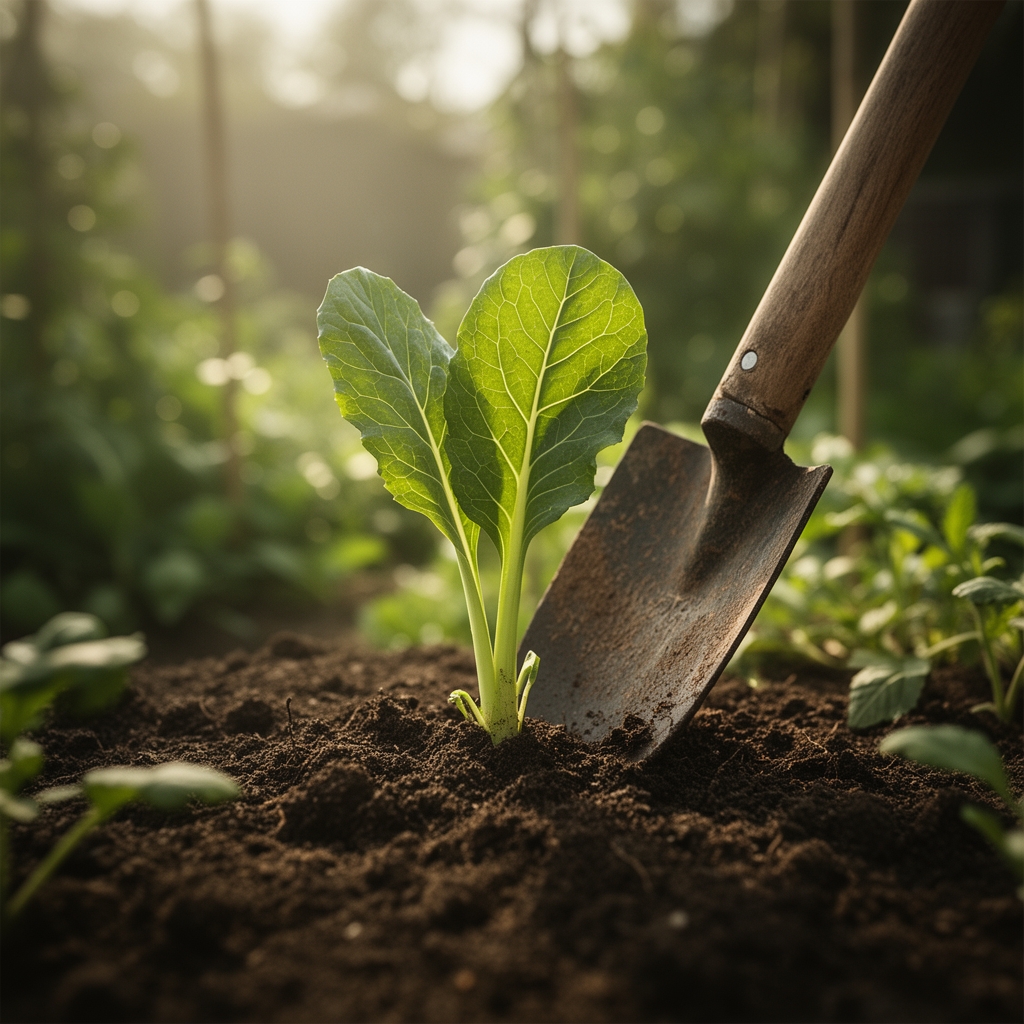
Transplanting: Harden off seedlings over 7-10 days by reducing water by 30% and exposing plants to outdoor conditions for progressively longer periods. Dig planting holes 1 inch deeper than pot height. Position the cow pot so the rim sits 1/2 inch below the final soil grade. Any exposed rim acts as a wick, desiccating the root ball through evaporative loss. Backfill with native soil amended with 1/4 cup of 2-3-1 bone meal per hole for phosphorus-dependent root elongation.
Pro-Tip: Score the bottom of each cow pot with three 1-inch cuts using a sterile blade. This perforation accelerates root egress by 5-7 days and prevents temporary root binding in heavy clay soils with poor structure.
Establishing: Water transplants with 1 cup per pot immediately after burial. Apply 2-3 inches of shredded hardwood mulch in a 12-inch diameter circle, keeping material 2 inches away from stems to prevent collar rot. Side-dress with composted manure (1-1-1 NPK) at 2 pounds per 10 square feet during week three. The decomposing cow pot contributes an additional 0.2 pounds of nitrogen per pot over 6 weeks, reducing supplemental fertilizer needs by 15-20%.
Pro-Tip: Install drip irrigation emitters 4 inches from the stem base. Deliver 0.5 gallons per plant every 3 days for the first 3 weeks, then transition to 1 gallon per week based on rainfall.
Troubleshooting
Symptom: White fungal threads on exterior pot surface.
Solution: Saprophytic fungi colonizing manure fibers. Beneficial decomposition. Ensure pot rim is buried to prevent cosmetic concern.
Symptom: Seedlings wilt 48 hours post-transplant despite moist soil.
Solution: Transplant shock from root exposure to air. Soak pots for 10 minutes before transplanting to fully saturate walls. Handle only by pot edges.
Symptom: Slow growth and pale foliage 3-4 weeks after transplant.
Solution: Nitrogen immobilization as soil microbes decompose carbon-rich pot material. Apply liquid fish emulsion (5-1-1 NPK) at 1 tablespoon per gallon weekly for 3 weeks.
Symptom: Roots remain confined within pot outline 6 weeks post-transplant.
Solution: Incomplete pot decomposition in alkaline soils above pH 7.5. Amend planting holes with elemental sulfur at 1/4 cup per cubic foot to lower pH and accelerate breakdown.
Maintenance
Water established plants with 1 inch per week, measured with rain gauges. Deep watering every 5-7 days promotes vertical root growth over shallow, frequent irrigation. Fertilize every 4 weeks with a balanced 10-10-10 granular blend at 1/2 cup per 10 square feet, broadcast in a 6-inch band around the drip line. Foliar feed with chelated iron (6% Fe) if interveinal chlorosis appears, applying 1 tablespoon per gallon in early morning when stomata open fully.
Prune determinant varieties by removing suckers below the first flower truss at 45-degree angles. Indeterminate types require weekly sucker removal to redirect auxin into fruiting branches. Stake plants when they reach 12 inches, using soft ties in a figure-eight pattern to avoid girdling.
FAQ
How long do cow pots last in storage?
Store in a cool, dry location under 50% humidity. Shelf life extends 18-24 months. Excess moisture triggers premature decomposition.
Can cow pots be used for succulents?
No. High water retention promotes root rot in xerophytic species. Use terra cotta for cacti and succulents requiring fast drainage.
Do cow pots attract pests?
Fungus gnats may colonize moist pots indoors. Apply Bacillus thuringiensis israelensis (Bti) granules to tray water at 1 teaspoon per gallon.
How deep should I bury the pot?
Bury the entire pot with the rim 1/2 inch below grade. Exposed portions wick moisture and dry out root balls.
Are cow pots safe for organic certification?
Yes. OMRI-listed cow pots meet USDA organic standards. Verify labeling before purchase for compliance.