6 Simple Steps to Use Cattle Panels
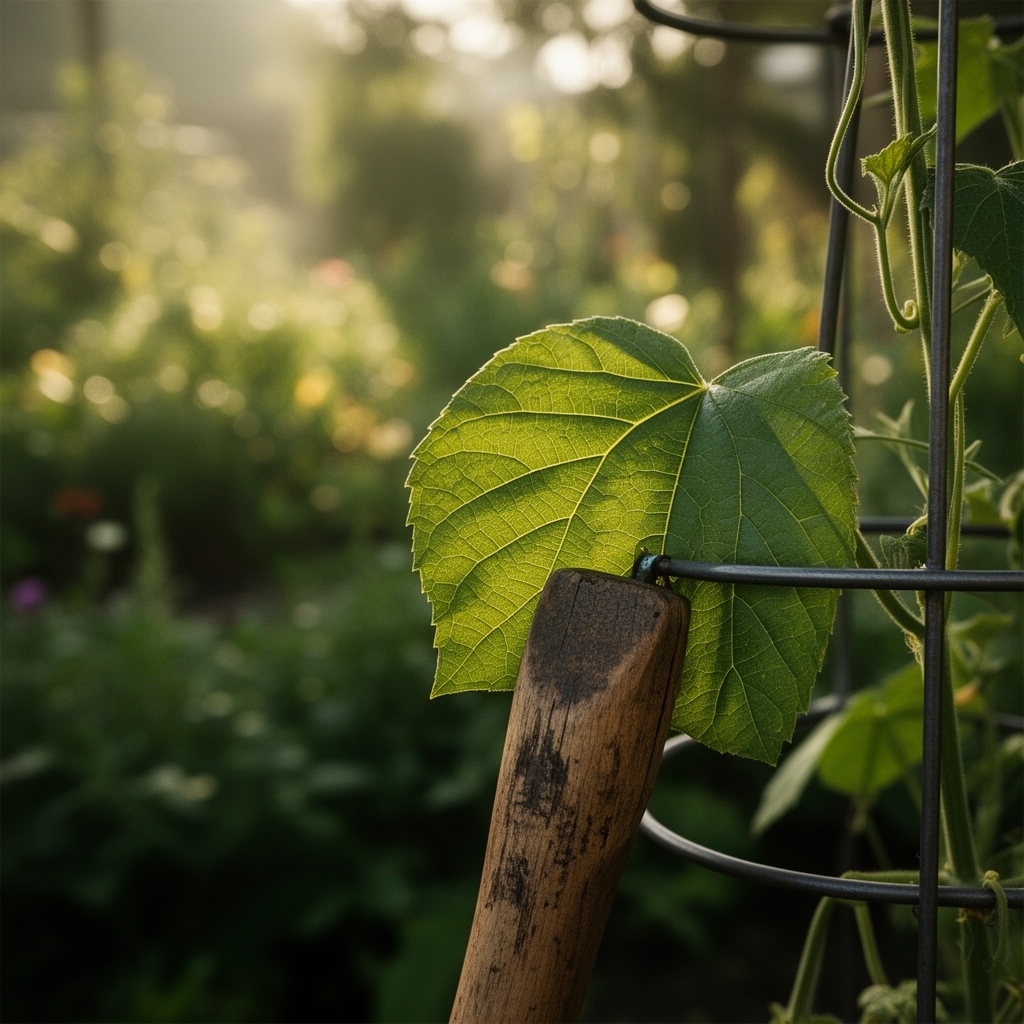
The scent of spring soil cuts through the air as you unroll heavy galvanized steel, each 16-foot cattle panel rigid enough to support 300 pounds yet flexible enough to arch into a perfect tunnel. These welded wire grids, originally designed for livestock containment, have become essential infrastructure for vertical gardening, and mastering the steps to use cattle panels transforms flat garden beds into three-dimensional productive zones. Each 4-inch by 4-inch grid opening provides ideal spacing for vining crops while the 50-inch height allows air circulation that prevents foliar disease.
Materials
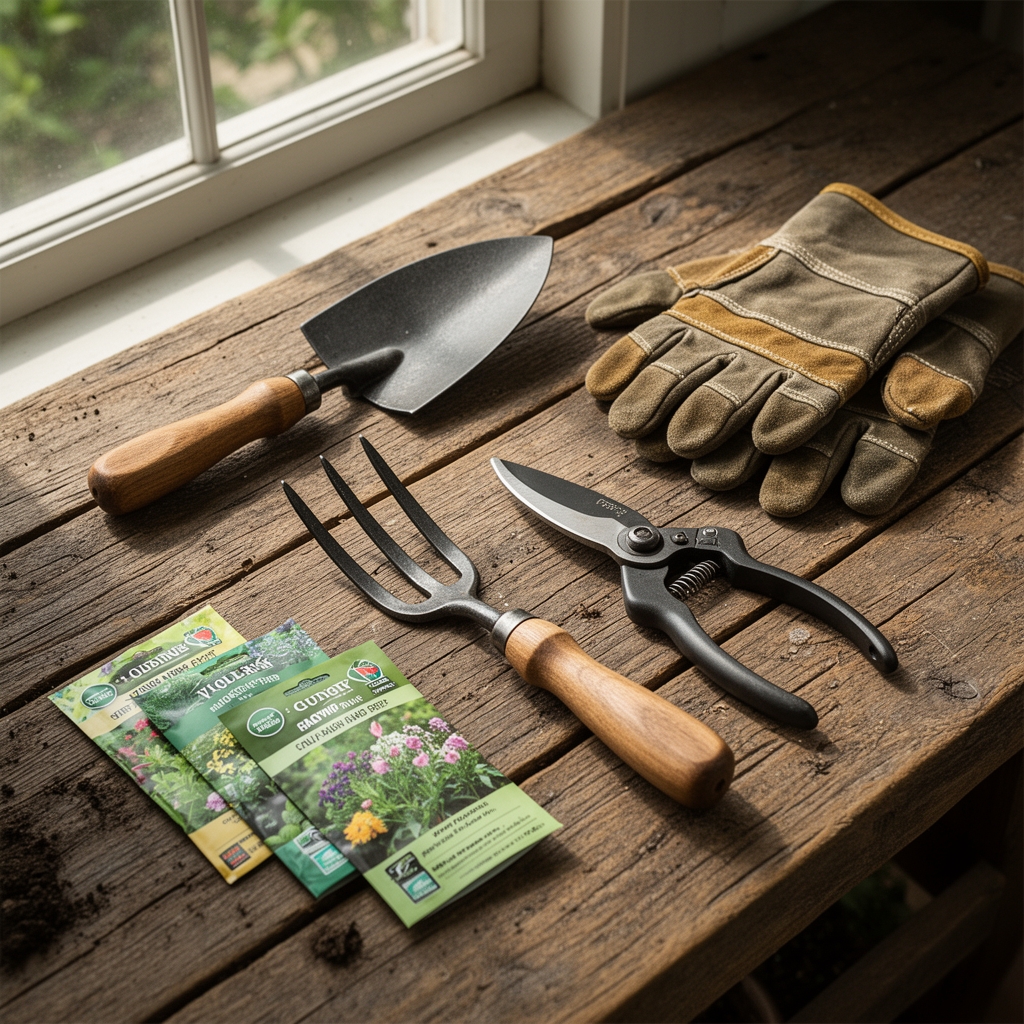
Select 16-foot galvanized cattle panels with 4-gauge wire thickness for permanent installations. The zinc coating prevents rust for 15 to 20 years in most climates. Purchase T-posts or rebar stakes measuring 6 feet in length, driving 18 inches into soil for anchoring. Secure panels with 9-gauge galvanized wire or zip ties rated for outdoor UV exposure.
Soil preparation requires amendments tailored to your starting pH. For acidic soils below 6.0, incorporate dolomitic lime at 5 pounds per 100 square feet. Neutral to alkaline soils benefit from elemental sulfur at 2 pounds per 100 square feet to reach the target pH of 6.2 to 6.8. Add a balanced organic fertilizer such as 4-4-4 feather meal blend at 3 pounds per 100 square feet, working it into the top 6 inches. This ratio supports both vegetative growth and fruit set without excessive nitrogen that promotes foliage at the expense of yield.
Mycorrhizal inoculant powder containing Glomus species improves phosphorus uptake by 40 percent in panel-grown cucurbits and legumes. Mix 1 tablespoon per transplant hole. Compost with a carbon-to-nitrogen ratio of 25:1 increases cation exchange capacity, allowing soil to retain calcium and magnesium critical for cell wall development in climbing plants.
Timing
Installation timing depends on hardiness zone and crop selection. In zones 3 through 5, install panels two weeks before the last expected frost date, typically mid-May. The metal warms soil beneath arched panels by 5 to 8 degrees Fahrenheit, extending the season for heat-loving crops. Zones 6 through 8 allow installation in early April, while zones 9 and 10 can establish permanent structures year-round.
For summer crops like pole beans and cucumbers, wait until soil temperature reaches 60 degrees Fahrenheit at 4-inch depth. Cold soil below 55 degrees inhibits germination and promotes pythium root rot. Fall installations in August support cool-season crops including snap peas and climbing spinach varieties through November in zones 7 and warmer.
Phases
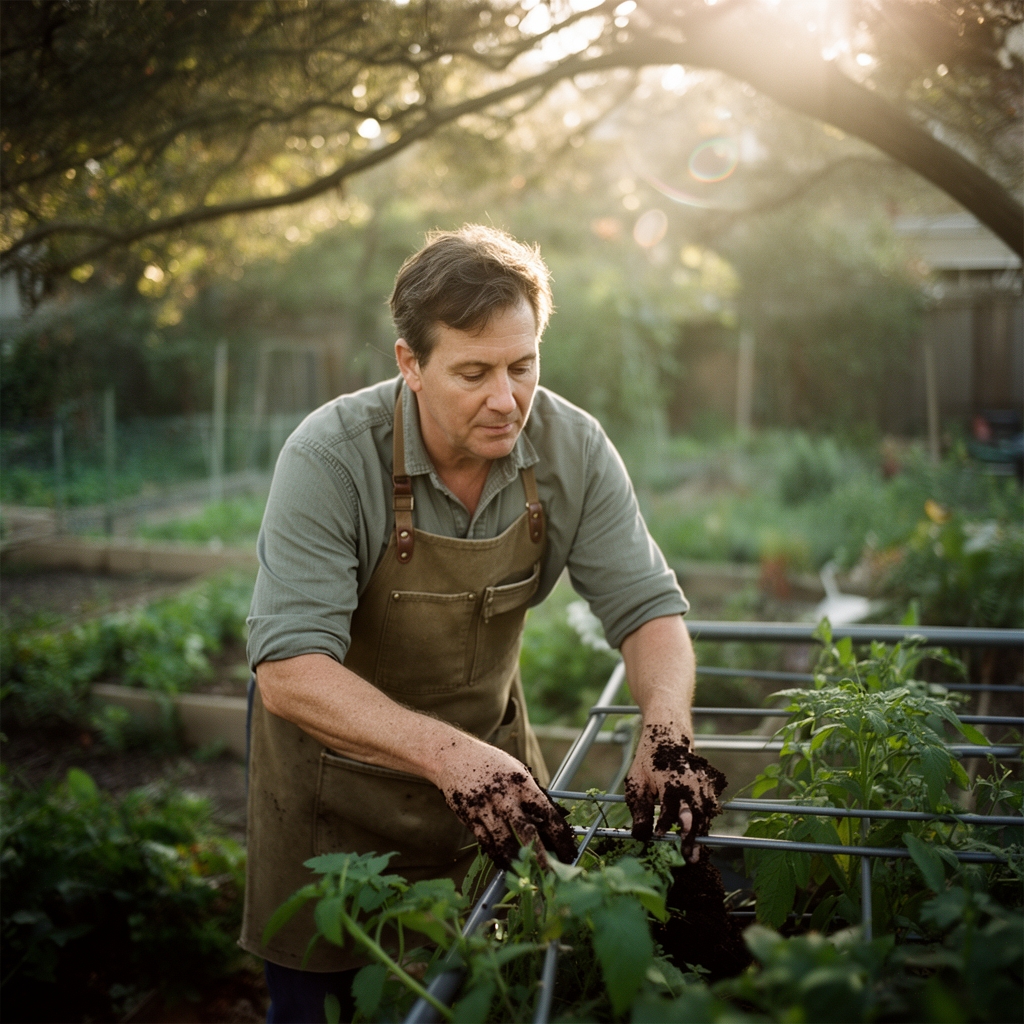
Sowing Phase: Drive support stakes 2 feet deep at 4-foot intervals along your planned row. Position the cattle panel vertically against stakes, securing with wire at three points per post. For arched tunnels, bend the panel slowly from the center, creating a radius of 3 to 4 feet. Anchor both ends 8 inches deep in soil trenches, backfilling with compacted earth.
Direct sow seeds 4 inches from the panel base on both sides, spacing according to crop requirements. Pole beans require 6-inch spacing, while cucumber plants need 12 inches. Sow at twice the seed diameter depth. Bean inoculation with Rhizobium bacteria fixes atmospheric nitrogen at rates of 100 to 150 pounds per acre equivalent.
Pro-Tip: Orient panels north-to-south for equal sun exposure, or east-to-west to create shaded zones beneath for heat-sensitive lettuces during summer months.
Transplanting Phase: Start seedlings indoors 4 weeks before panel installation. Harden off transplants by reducing water and exposing them to outdoor conditions for 7 days. Dig holes 6 inches from the panel base, spacing transplants 18 to 24 inches apart for indeterminate tomatoes and pole varieties.
Set transplants at the same depth as their container, except tomatoes which benefit from burial up to the first true leaves. Buried stem nodes generate adventitious roots, increasing drought tolerance. Water immediately with a starter solution of 1-2-1 fish emulsion diluted to half strength.
Pro-Tip: Train main stems to the panel at 45-degree angles rather than vertical. This angle optimizes auxin distribution, promoting lateral fruiting branches every 6 to 8 inches along the main stem.
Establishing Phase: Guide tendrils through grid openings during the first two weeks. Cucurbits produce specialized tendrils with touch-sensitive cells that coil within 60 minutes of contact. Tomatoes and peppers require soft ties at 8-inch intervals as they lack natural climbing mechanisms.
Apply 2 inches of straw mulch around the base, maintaining a 3-inch gap at stems to prevent crown rot. Mulch reduces soil temperature fluctuation by 10 degrees and conserves moisture during establishment.
Pro-Tip: Remove the lowest 12 inches of foliage once plants reach 24 inches tall. This pruning improves air circulation and reduces anthracnose infection by 60 percent.
Troubleshooting
Symptom: Yellow leaves with green veins on upper growth.
Solution: Iron chlorosis from high pH. Apply chelated iron at 1 tablespoon per gallon as a foliar spray. Retest soil pH and adjust with sulfur if above 7.2.
Symptom: Wilting plants despite adequate moisture.
Solution: Bacterial wilt transmitted by cucumber beetles. Remove infected plants immediately. Apply neem oil at 2 tablespoons per gallon weekly as a beetle deterrent.
Symptom: Blossom end rot on tomatoes and peppers.
Solution: Calcium deficiency from inconsistent watering. Maintain soil moisture at 60 to 70 percent field capacity. Side-dress with gypsum at 2 pounds per 10 feet of row.
Symptom: Powdery white coating on leaves.
Solution: Powdery mildew thrives in humidity above 70 percent. Improve spacing and spray with potassium bicarbonate solution (1 tablespoon per quart) at 7-day intervals.
Symptom: Stunted growth with purple leaf undersides.
Solution: Phosphorus deficiency in cold soil. Wait for soil temperatures above 60 degrees or apply liquid phosphorus supplement at transplanting.
Maintenance
Water established panel crops with 1 inch per week, delivered in two deep soakings rather than daily light sprinkles. Deep watering encourages root growth to 18-inch depths. Install drip irrigation along the panel base for 95 percent water efficiency compared to overhead sprinklers.
Side-dress with balanced fertilizer every 3 weeks once flowering begins. Apply 2 tablespoons of 5-5-5 organic blend per plant, scratching into soil 6 inches from stems. High-production crops like indeterminate tomatoes benefit from weekly foliar feeding with liquid kelp providing trace minerals and cytokinins that delay senescence.
Prune suckers from tomatoes weekly, removing shoots between the main stem and branches. This concentrates energy into fruit production and improves air movement. Allow determinate varieties to grow unpruned.
Monitor daily for pest pressure. Handpick hornworms and bean beetles in early morning when insects are sluggish. Release ladybugs at 1,500 per 100 square feet for aphid control. Apply Bacillus thuringiensis every 10 days for caterpillar management.
FAQ
How long do cattle panels last in garden conditions?
Galvanized panels withstand 15 to 25 years depending on climate humidity. Coastal regions may see rust after 12 years. Apply cold galvanizing compound to scratches to prevent corrosion spread.
Can I reuse panels for different crops each season?
Yes. Sanitize panels between seasons by scrubbing with a 10 percent bleach solution to remove disease spores. Rinse thoroughly before reinstallation.
What crops work best on cattle panels?
Pole beans, cucumbers, squash, peas, indeterminate tomatoes, and melons thrive on panels. Avoid bush varieties bred for compact growth.
Do I need to remove panels in winter?
In zones 6 and colder, leave panels installed but remove plant debris to prevent overwintering pests. Heavy snow loads rarely damage properly anchored panels.
How much weight can an arched panel support?
A properly installed 16-foot arch supports 200 to 300 pounds of mature vining crops when anchored every 4 feet. Reinforce with additional stakes for heavy winter squash varieties exceeding 15 pounds per fruit.