10 Pro Tips How to Use Garden Sieves
Soil preparation determines germination rates, root architecture, and nutrient availability for every crop you grow. Learning how to use garden sieves transforms raw earth and compost into calibrated growing media, removing debris that harbors pathogens while creating uniform particle distribution. Commercial growers rely on mechanical screening to achieve 95% texture consistency. Home gardeners achieve the same results with hand sieves, controlling aggregate size to match seed diameter and root morphology.
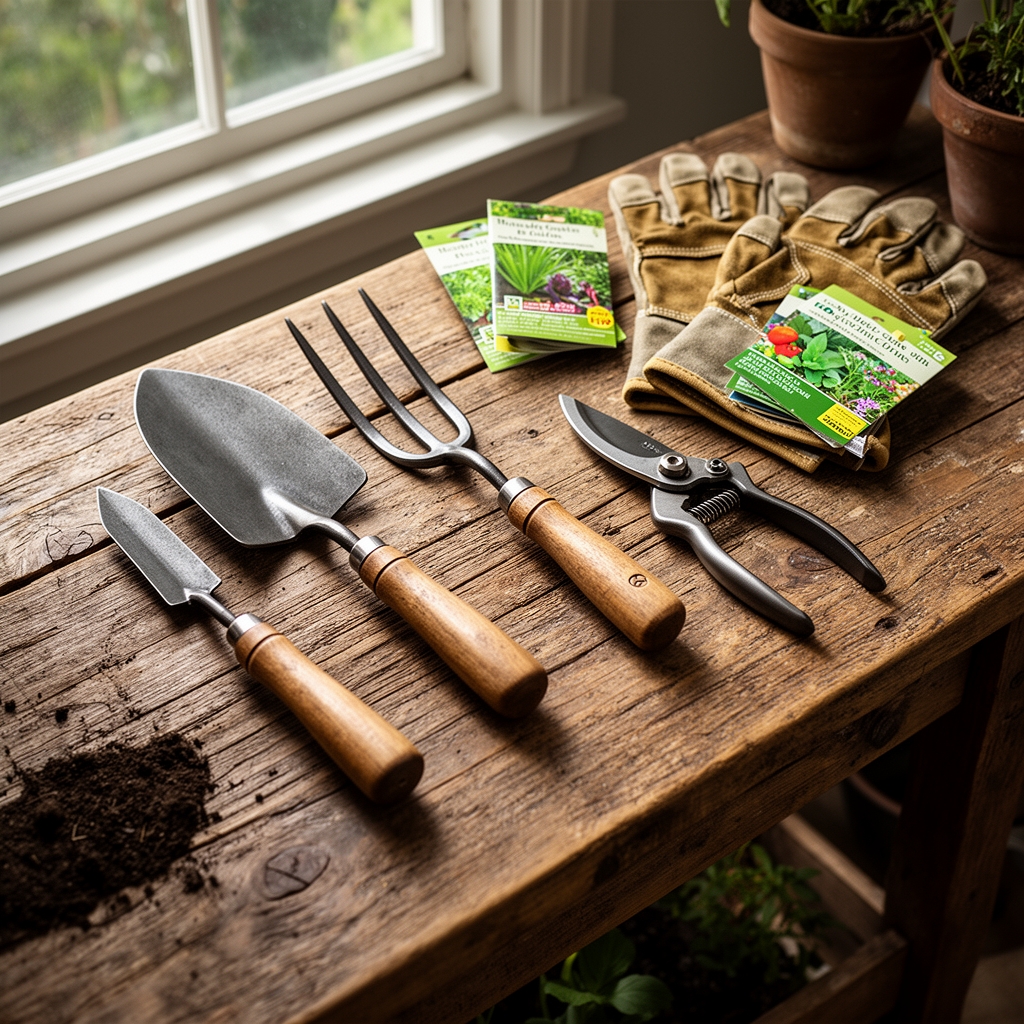
Materials
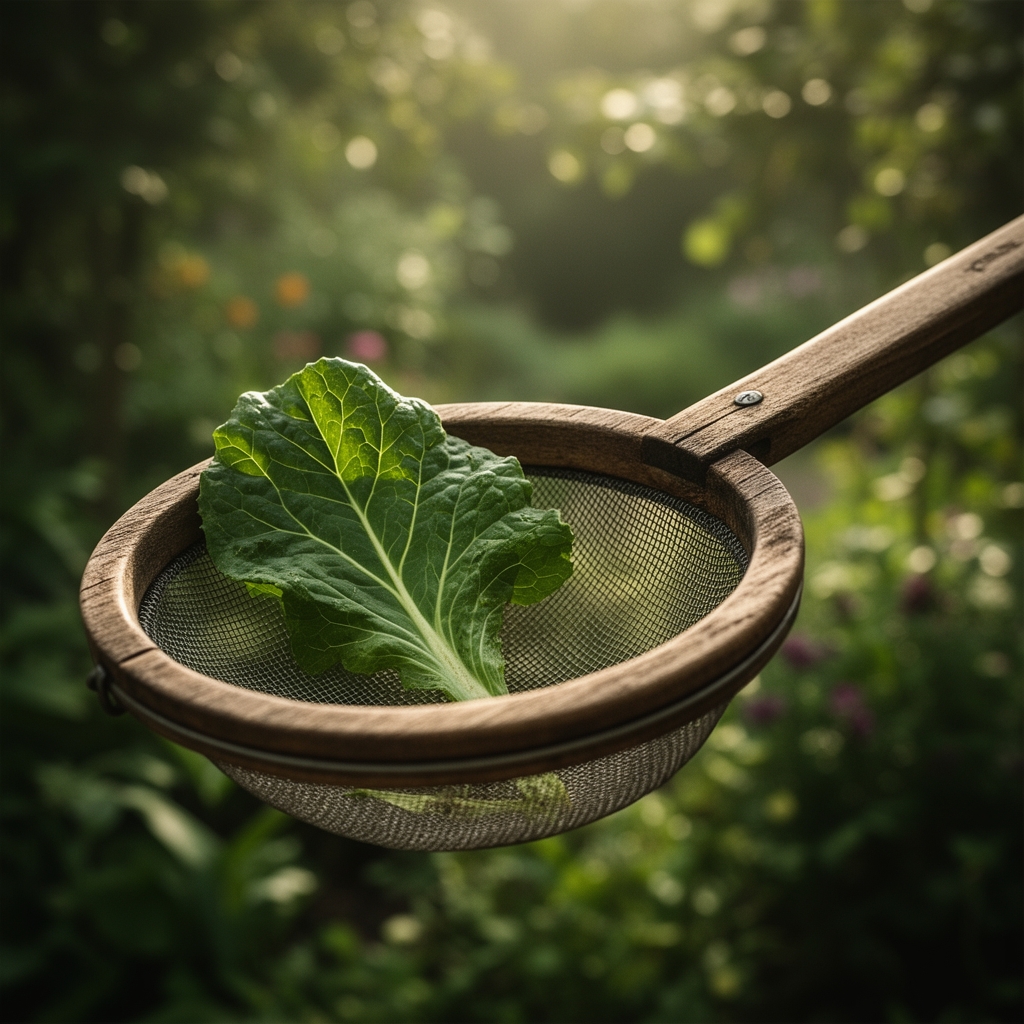
Garden sieves range from 1/8-inch mesh for seed-starting to 3/4-inch frames for mulch processing. Stainless steel screens resist corrosion when processing acidic materials like pine bark (pH 4.5–5.2). Wooden frames absorb moisture and warp; powder-coated aluminum frames maintain dimensional stability through 200+ processing cycles.
For potting media, combine sieved materials to achieve balanced NPK values. Aged compost (0.5-0.5-0.5) passes through 1/4-inch mesh and provides humic acids that increase cation exchange capacity by 40–60 meq/100g. Bone meal (3-15-0) contributes phosphorus for root initiation when screened to 1/8-inch particles. Kelp meal (1-0-2) adds trace minerals and cytokinins when processed to fine powder through 1/16-inch mesh.
Measure pH before blending. Sieved sphagnum peat (pH 3.8–4.2) requires dolomitic limestone at 5 pounds per cubic yard to raise pH to 6.2–6.5, the range where nitrogen, phosphorus, and potassium show maximum availability. Coir coir (pH 5.5–6.8) requires less correction and offers superior rewetting properties.
Timing
Process soil amendments 14–21 days before seeding to allow microbial populations to stabilize. In USDA Hardiness Zones 3–5, sieve materials indoors from January through March, storing processed batches in sealed bins to prevent moisture absorption. Zones 6–8 can process outdoors after the final frost date, typically April 15–May 10. Zones 9–11 should avoid screening during temperatures above 90°F, when dust inhalation risk increases and material desiccation accelerates.
Screen compost when moisture content reaches 40–50%. Material that clumps when squeezed but crumbles under light pressure passes through mesh efficiently. Overly wet compost (60%+ moisture) clogs screens and requires 3–5 days of open-air drying on tarps.
Phases
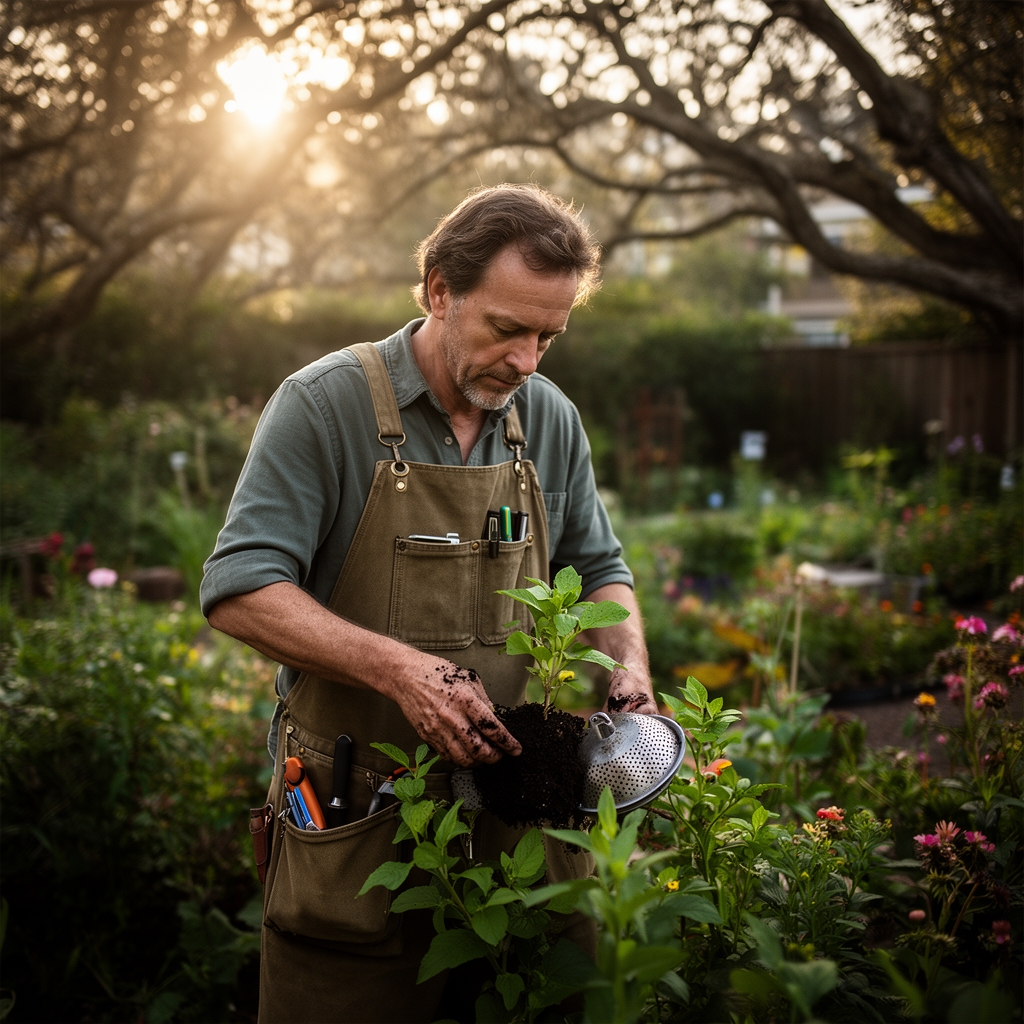
Sowing: Fine seed (lettuce, carrot, petunia) requires particles under 1/8 inch to ensure seed-to-soil contact across 80% of the seed coat surface. Screen seed-starting mix through 1/16-inch mesh to remove wood fragments and perlite chunks that create air pockets. Fill trays to within 1/4 inch of the rim, firm with a presser board to eliminate voids, then water with a mist nozzle delivering 0.02 gallons per square foot.
Pro-Tip: Inoculate sieved mix with Trichoderma harzianum at 1 gram per gallon of medium. This fungal species colonizes root zones within 72 hours, reducing damping-off by 65–80% compared to uninoculated controls.
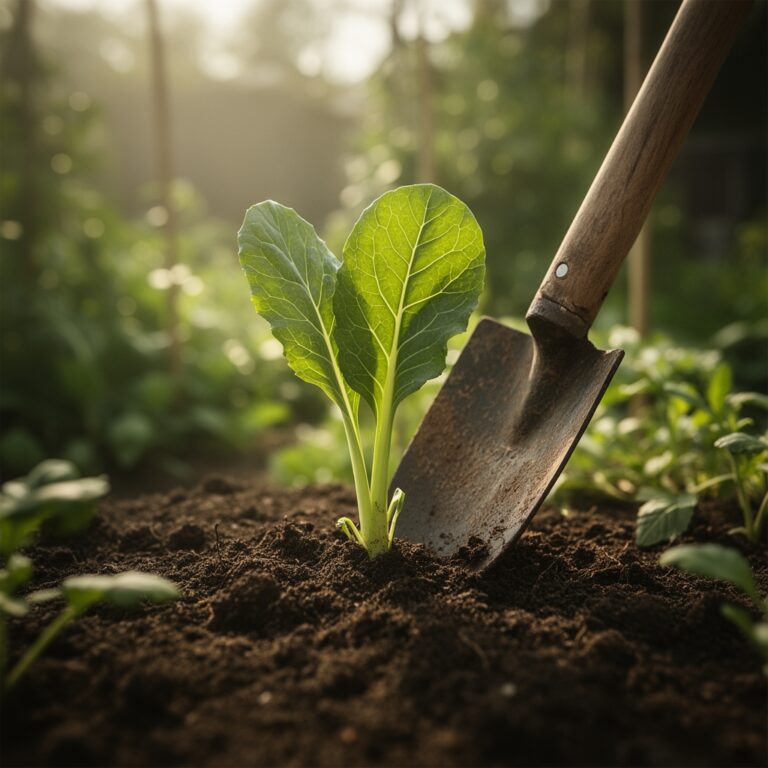
Transplanting: Larger transplants (tomato, pepper, brassicas) thrive in 1/4-inch screened soil that balances drainage and water retention. Remove stones, root clumps, and insect larvae during screening. Blend sieved topsoil (50%), compost (30%), and perlite (20%) by volume. This ratio produces bulk density of 0.6–0.8 g/cm³, allowing roots to penetrate with less than 300 kPa resistance.
Pro-Tip: Create a transplant trench 4 inches deep, fill with sieved mix, then set transplants at a 15-degree angle. Bury stems up to the first true leaves. Adventitious roots form along buried stem sections within 96 hours, increasing root mass by 40–50% compared to vertical planting.
Establishing: Topdress established beds with 1/2-inch screened compost at 1/4 inch depth every 60 days during the growing season. This practice delivers slow-release nitrogen (12–18 ppm over 8 weeks) and maintains soil aggregation. Screen out uncomposted wood chips that immobilize nitrogen during decomposition, causing chlorosis in heavy feeders like corn and squash.
Pro-Tip: Apply screened earthworm castings at 2 pounds per 10 square feet around fruiting plants. Castings contain auxins that stimulate lateral root formation and increase phosphorus uptake by 25–30% during bloom phases.
Troubleshooting
Symptom: Seedlings emerge unevenly with 30–50% germination failure.
Solution: Soil particles exceed seed diameter by 4:1 ratio. Re-screen through smaller mesh (1/16 inch for seeds under 2mm).
Symptom: White fungal growth on soil surface within 7–10 days of sowing.
Solution: Saprophytic mold colonizing uncomposted organic matter. Screen to remove particles larger than 1/4 inch, and ensure compost reaches 140°F internal temperature for 14 days before use.
Symptom: Transplant roots circle container perimeter instead of penetrating medium.
Solution: Bulk density exceeds 1.2 g/cm³. Add 15–20% coarse perlite (1/4-inch) to sieved mix, improving porosity to 40–50%.
Symptom: Surface crusting prevents water infiltration after irrigation.
Solution: Excessive silt and clay particles (under 0.002mm). Blend sieved material with 1/4-inch pumice at 25% by volume to maintain macropore space.
Maintenance
Replace stainless steel mesh every 18–24 months or after processing 50 cubic yards of material. Inspect for tears and wire fatigue at frame edges. Clean screens after each use with a stiff brush and 3% hydrogen peroxide solution to prevent pathogen transfer between batches.
Store sieved materials in UV-resistant bins with sealed lids. Exposure to direct sunlight degrades organic nitrogen compounds by 12–18% per month. Maintain storage moisture at 35–40% to preserve microbial populations while preventing anaerobic conditions.
FAQ
What mesh size works for root vegetables?
Use 1/4-inch mesh. Carrots, parsnips, and beets require stone-free beds to 8–12 inches deep to prevent forking and malformation.
Can I screen clay-heavy soil?
Screen when moisture content drops below 25%. Clay binds into aggregates that clog fine mesh. Amend screened clay with 30% compost and 20% coarse sand (1–2mm particle size).
How does screening improve drainage?
Removing particles larger than 1/2 inch eliminates macropore variability. Uniform particle distribution increases infiltration rates from 0.2 inches/hour to 0.8–1.2 inches/hour in loam soils.
Should I screen purchased potting soil?
Screen bagged products containing visible wood chunks or fertilizer prills larger than 1/8 inch. Uniform texture improves capillary action and reduces dry pockets in containers.
Does screening kill beneficial organisms?
Physical screening preserves 85–90% of bacterial and fungal populations. Avoid screening during temperatures above 85°F to prevent thermal stress to microorganisms.