10 Pro Tips How to Use a Totem for Plants
The first time a Monstera deliciosa or climbing Philodendron wraps its aerial roots around a moss-covered column, the plant's growth rate can double within six weeks. This is not decorative whimsy. Understanding how to use a totem for plants transforms weak, horizontal vines into vertical specimens with leaves 40 percent larger than their trailing counterparts. The mechanism is simple: aerial roots access moisture and nutrients directly from the totem surface while the vertical orientation optimizes auxin distribution and apical dominance.
Materials
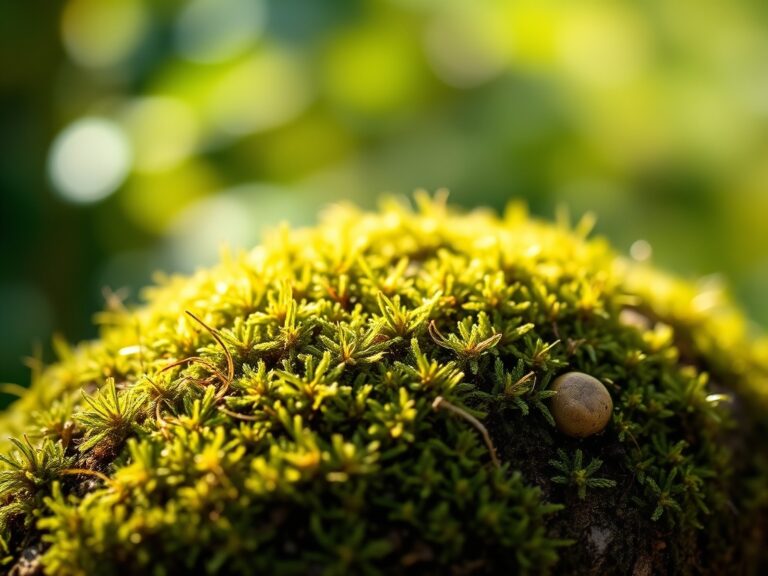
Select a totem material based on your plant's native epiphytic habit. Sphagnum moss poles retain moisture for 72 hours after saturation and maintain a pH of 4.0 to 5.0, ideal for aroids. Coir (coconut fiber) poles offer superior drainage with a neutral pH of 6.0 to 6.8 and resist decomposition for three to four years. For heavy climbers like Monstera, use a 1.5-inch diameter PVC core wrapped with 2 inches of moistened sphagnum, secured with jute twine at 3-inch intervals.
Prepare a potting medium with high cation exchange capacity: 40 percent peat moss, 30 percent perlite, 20 percent orchid bark, and 10 percent worm castings. Amend with a balanced organic fertilizer at 4-4-4 NPK ratio, applied at 1 tablespoon per gallon of soil. Avoid synthetic fertilizers above 10-10-10, which burn aerial roots on contact.
Structural anchors matter. Use 18-inch bamboo stakes driven 6 inches into the pot base, lashed to the totem at two points. This prevents toppling when the canopy reaches 4 feet.
Timing
Install totems during active growth phases when auxin production peaks. In USDA Hardiness Zones 9 through 11, begin in late March as soil temperatures exceed 65°F. For Zones 6 through 8, wait until two weeks after the last frost date, typically mid-May. Indoor installations can proceed year-round, but avoid December through February when tropical species enter semi-dormancy and root adhesion weakens.
Monitor photoperiod. Climbing aroids require 12 to 14 hours of indirect light to trigger aerial root elongation. Supplemental grow lights at 200 to 400 foot-candles accelerate totem attachment by 30 percent.
Phases

Sowing and Initial Anchoring
Insert the totem 8 inches deep before introducing the plant. This prevents root disturbance. Position the plant's main stem 2 inches from the totem surface. Use soft plant ties to secure the lowest node to the pole at a 15-degree angle. Do not bind tightly; allow 0.25 inches of movement to prevent stem girdling.
Pro-Tip: Inoculate the totem surface with mycorrhizal fungi (Rhizophagus irregularis) at 1 gram per square foot. Mix spores with distilled water and mist the pole until saturated. This establishes a symbiotic network that increases nutrient uptake by 60 percent once aerial roots penetrate.
Transplanting and Training
As new growth emerges, guide each stem segment to the totem before the internode hardens. Flexible green stems attach within 10 days; lignified brown stems rarely adhere. Use velcro plant straps at 6-inch intervals up the pole. Remove lower ties after 3 weeks once aerial roots anchor independently.
Pro-Tip: Prune lateral shoots at a 45-degree angle, leaving 0.25 inches above the node. This directs energy to vertical growth and triggers adventitious root formation at cut sites.
Establishment and Maturation
After 8 weeks, aerial roots penetrate 0.5 inches into moss poles. Increase humidity to 60 percent using a pebble tray or humidifier placed 3 feet from the plant. Mist the totem surface daily until runoff appears at the base.
Pro-Tip: Fertilize the totem directly. Dilute liquid kelp fertilizer (0-0-1 NPK) to half strength and apply 4 ounces per foot of pole height weekly. This feeds aerial roots without oversaturating the soil.
Troubleshooting
Symptom: Aerial roots turn brown and crisp.
Solution: Totem has dried completely. Submerge the pole in room-temperature water for 20 minutes, then maintain daily misting.
Symptom: Leaves develop interveinal chlorosis despite adequate soil fertility.
Solution: Magnesium deficiency from poor aerial root contact. Spray totem with 1 teaspoon Epsom salt per quart of water biweekly.
Symptom: Stem detaches from totem and grows horizontally.
Solution: Insufficient light. Relocate to a position receiving 300 foot-candles minimum. Reattach stem with flexible ties.
Symptom: Black, mushy patches on aerial roots.
Solution: Pythium root rot from oversaturation. Allow totem to dry for 48 hours. Reduce misting frequency to every 3 days.
Maintenance
Water the soil when the top 2 inches are dry, approximately every 7 days. Deliver 1 inch of water per session, measured by placing a rain gauge in the pot. The totem requires independent hydration: mist until 2 ounces of water drip from the base.
Rotate the pot 90 degrees monthly to ensure even light exposure. Prune spent leaves at the petiole base using sterilized shears.
Replace moss poles every 24 months as decomposition reduces structural integrity. Coir poles last 48 months before replacement becomes necessary.
FAQ
How long before aerial roots attach to the totem?
Expect initial attachment within 14 to 21 days if humidity remains above 55 percent and the totem stays moist.
Can I add a totem to an established plant?
Yes. Prune the plant to 18 inches, install the totem, and retrain new growth. Recovery takes 6 weeks.
Do all climbing plants need totems?
Only epiphytic climbers (Monstera, Philodendron, Pothos) benefit structurally. Twining vines require trellises instead.
What if my plant outgrows the totem?
Stack a second pole atop the first, overlapping by 6 inches. Secure with waterproof tape and continue training upward.
Is tap water safe for misting totems?
Use filtered or distilled water if your municipal supply exceeds 150 ppm total dissolved solids to prevent mineral buildup on aerial roots.