6 Fast Steps to Grow Indoor Salad Greens
Crush a handful of moist potting media and you should smell the sharp, metallic tang of geosmin. This earthy aroma signals an active microbial environment ready to support life. When you snap a leaf of romaine or butterhead, the audible crack indicates high turgor pressure within the plant cells. Achieving this level of crispness indoors requires precise control over light, temperature, and nutrition. Mastering the steps to grow indoor salad greens demands a shift from casual gardening to rigorous botanical management. You are not just watering plants; you are managing a controlled environment agriculture system where every milliliter of moisture and photon of light dictates the final yield. By optimizing the rhizosphere and maintaining a strict photoperiod, you can produce nutrient-dense foliage that surpasses commercial produce in both texture and mineral content.
Materials:
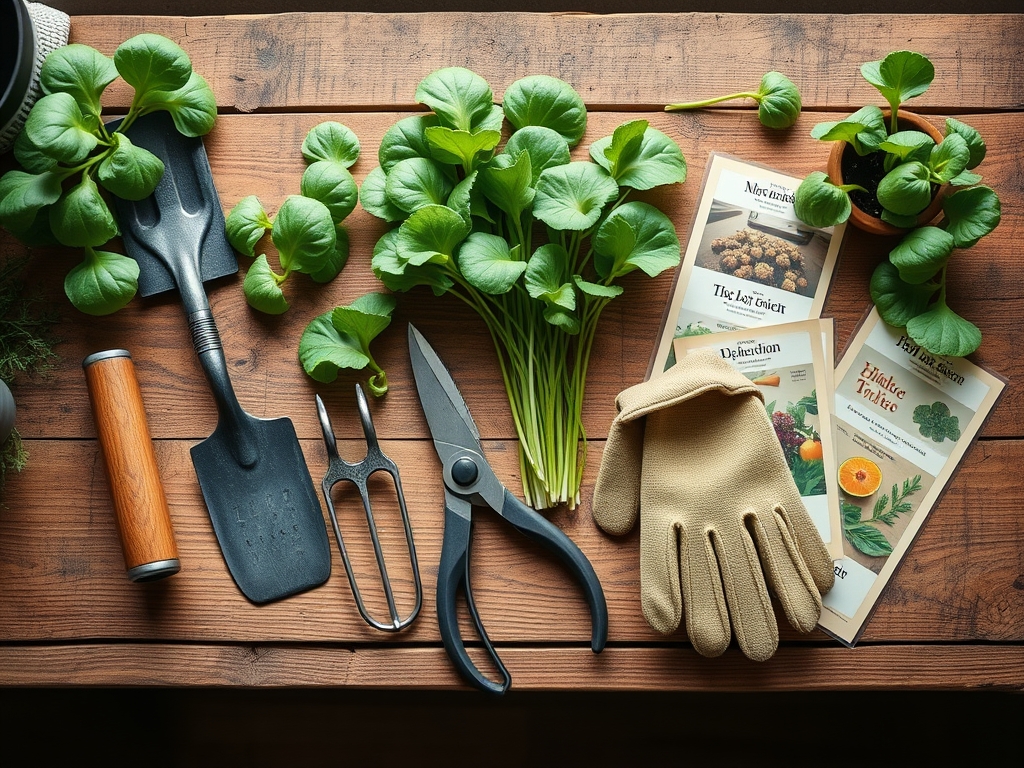
The foundation of indoor cultivation is the substrate. Avoid standard garden soil, which lacks the porosity required for container drainage. Use a friable loam composed of peat moss or coconut coir, perlite, and vermiculite. This mixture ensures a high Cation Exchange Capacity (CEC), allowing the medium to hold and release essential nutrients like potassium and calcium.
Target a soil pH between 6.0 and 7.0. For leafy greens, the NPK ratio must favor nitrogen to drive vegetative growth. A ratio of 10-5-5 or 5-3-3 is ideal. Nitrogen (N) is the primary driver of chlorophyll production; phosphorus (P) supports early root development; and potassium (K) regulates the opening and closing of stomata. Ensure your containers have adequate drainage holes to prevent anaerobic conditions in the root zone.
Timing:
Indoor gardening bypasses traditional Hardiness Zones, but you must still respect the plant's biological clock. Most salad greens are cool-season crops that thrive in temperatures between 55 and 70 degrees Fahrenheit. If ambient temperatures exceed 75 degrees, the plant initiates senescence or "bolting," shifting from vegetative growth to reproductive seed production.
In a controlled indoor setting, the "frost date" is irrelevant, but the photoperiod is critical. Most greens require 12 to 16 hours of light daily. Without this, the plant will become "leggy" as it undergoes etiolation, stretching its stems toward the light source. Monitor the transition from the cotyledon stage (the first set of seed leaves) to the true leaf stage, which typically occurs 10 to 14 days after germination.
Phases:
Sowing
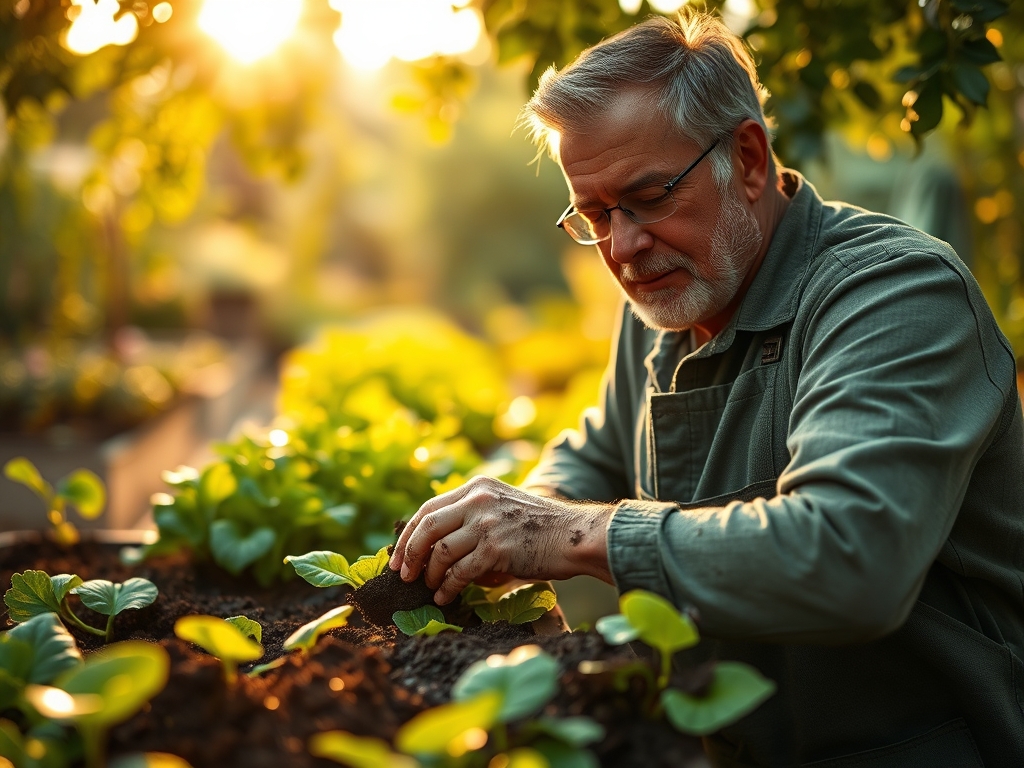
Surface-sow seeds or cover them with no more than 1/8 inch of fine vermiculite. Many lettuce varieties are photoblastic, meaning they require light exposure to trigger the germination process. Keep the medium consistently moist but not saturated.
Pro-Tip: Maintain a consistent 70-degree soil temperature during germination to optimize enzyme activity. High temperatures can trigger thermodormancy, a biological defense mechanism where seeds refuse to sprout to avoid lethal heat.
Transplanting
If starting in plugs, transplant once the seedling has two sets of true leaves. Handle the plants by the leaves rather than the stems to avoid crushing the vascular tissue. Set the plant at the same depth it was growing in the plug tray.
Pro-Tip: Inoculate the roots with mycorrhizal fungi during transplanting. This symbiotic relationship expands the root surface area, significantly increasing the plant's ability to uptake phosphorus and water through the fungal hyphae.
Establishing
Once transplanted, focus on light intensity. Position LED or T5 fluorescent lights approximately 4 to 6 inches above the canopy. As the plants grow, adjust the height to maintain this distance and prevent leaf scorch.
Pro-Tip: Use a small oscillating fan to provide gentle air movement. This mechanical stress triggers thigmomorphogenesis, causing the plant to develop thicker, sturdier stems and tougher cell walls to resist physical collapse.
The Clinic:
Physiological disorders often mimic disease but are usually rooted in environmental stress.
- Symptom: Tipburn. (Edges of young leaves turn brown and crispy).
- Solution: This is a calcium deficiency caused by slow transpiration. Increase airflow and ensure consistent soil moisture.
- Symptom: Nitrogen Chlorosis. (Older leaves turn pale yellow while veins remain green).
- Solution: Apply a water-soluble fertilizer with a high Nitrogen (N) value. Check pH; if it is above 7.5, nitrogen becomes chemically unavailable to the plant.
- Symptom: Oedema. (Small bumps or blisters on the underside of leaves).
- Solution: This occurs when the plant absorbs water faster than it can transpire. Reduce watering frequency and lower the humidity.
Fix-It: If growth is stunted, use a soil moisture meter to verify that the root zone is not waterlogged. If the meter reads in the "red" zone for more than 24 hours, oxygen is being excluded from the rhizosphere, leading to root rot.
Maintenance:
Precision is the difference between a harvest and a failure. Salad greens require approximately 1 to 1.5 inches of water per week. Use a soil moisture meter to ensure the top inch of soil dries slightly between waterings, but never let the root ball desiccate completely.
For maintenance, use a hori-hori knife to weed or loosen the soil surface if it becomes compacted. If you notice any yellowing or dead lower leaves, remove them immediately with bypass pruners to prevent the spread of fungal pathogens. Keep the humidity between 40% and 60% to balance transpiration rates. If the air is too dry, the plant will close its stomata, halting photosynthesis and growth.
The Yield:
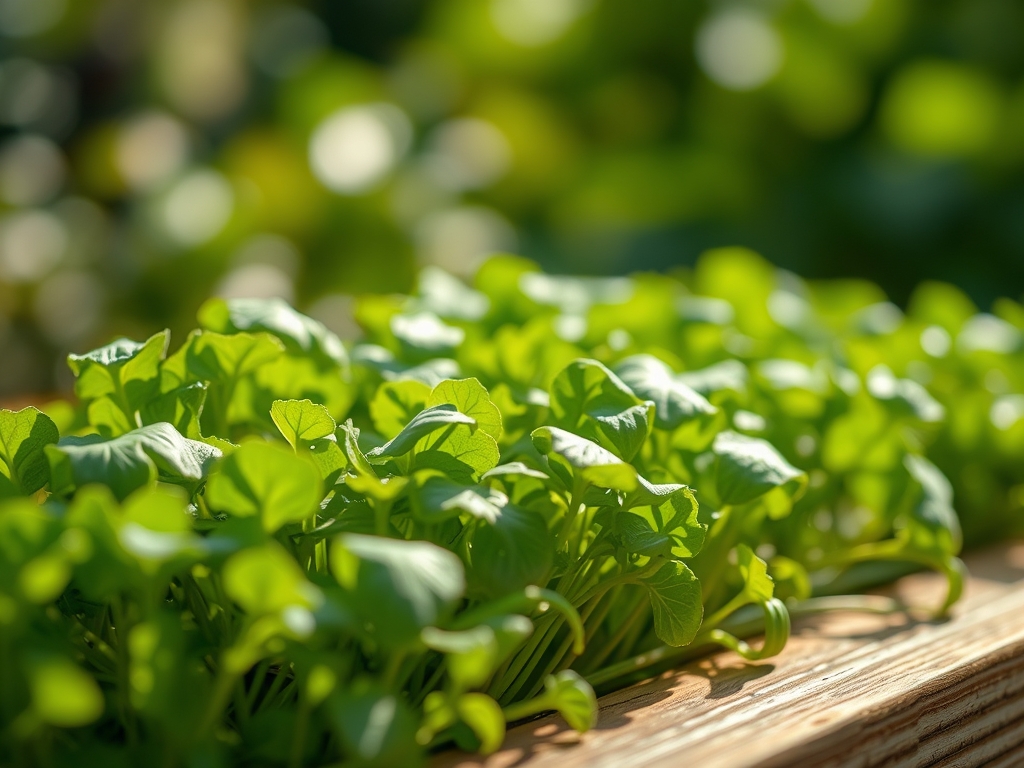
Harvesting can begin as soon as leaves reach 3 to 4 inches in length. For "cut and come again" varieties, use sharp shears to snip the outer leaves about 1 inch above the soil line. Avoid damaging the central growing point, known as the apical meristem, which allows the plant to continue producing new foliage.
Harvest in the early morning when turgor pressure is at its peak. This ensures the leaves are at their crispest. Immediately after cutting, submerge the greens in cold water (approximately 40 degrees Fahrenheit) to remove field heat and maintain cellular integrity. Store in a sealed container in the refrigerator to keep them fresh for up to two weeks.
FAQ:
What is the best light for indoor greens?
Use full-spectrum LED or T5 fluorescent lights. These provide the blue wavelengths necessary for vegetative growth. Keep lights 4 to 6 inches above the plants for 12 to 16 hours daily to prevent etiolation and ensure thick leaf development.
How often should I fertilize?
Apply a balanced, water-soluble fertilizer every 10 to 14 days. Use a half-strength dilution of a 10-5-5 NPK formula. Frequent, low-dose feeding prevents nutrient spikes that can burn sensitive root hairs in a contained indoor environment.
Why are my lettuce leaves bitter?
Bitterness is caused by heat stress or water deficit, which triggers the production of lactucarium. Keep temperatures below 70 degrees Fahrenheit and maintain consistent soil moisture. Harvesting before the plant begins to bolt also ensures a milder, sweeter flavor profile.
Can I reuse my potting soil?
It is not recommended. Reusing soil leads to nutrient depletion and the buildup of soil-borne pathogens. Fresh media ensures a high Cation Exchange Capacity and proper aeration, which are vital for the fast growth cycles of indoor salad greens.