10 Pro Tips How to Grow Meyer Lemons Indoors
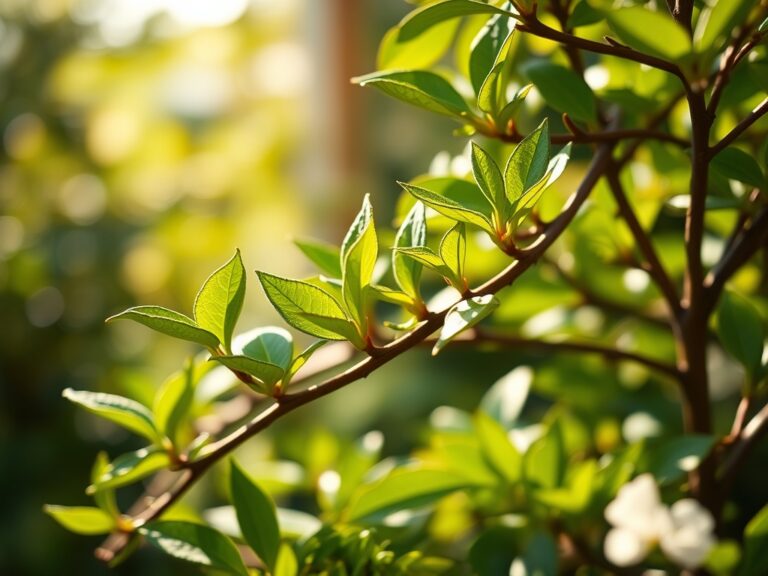
Success in learning how to grow meyer lemons indoors begins with the tactile sensation of waxy, high-turgor leaves and the scent of citrus oils released from the petiole. This hybrid fruit requires more than casual care; it demands a precise mimicry of Mediterranean microclimates within a domestic setting. You must manage the rhizosphere with clinical accuracy to prevent root rot while maintaining the high metabolic rate necessary for fruit production. Mastering this process transforms a living space into a functional orchard.
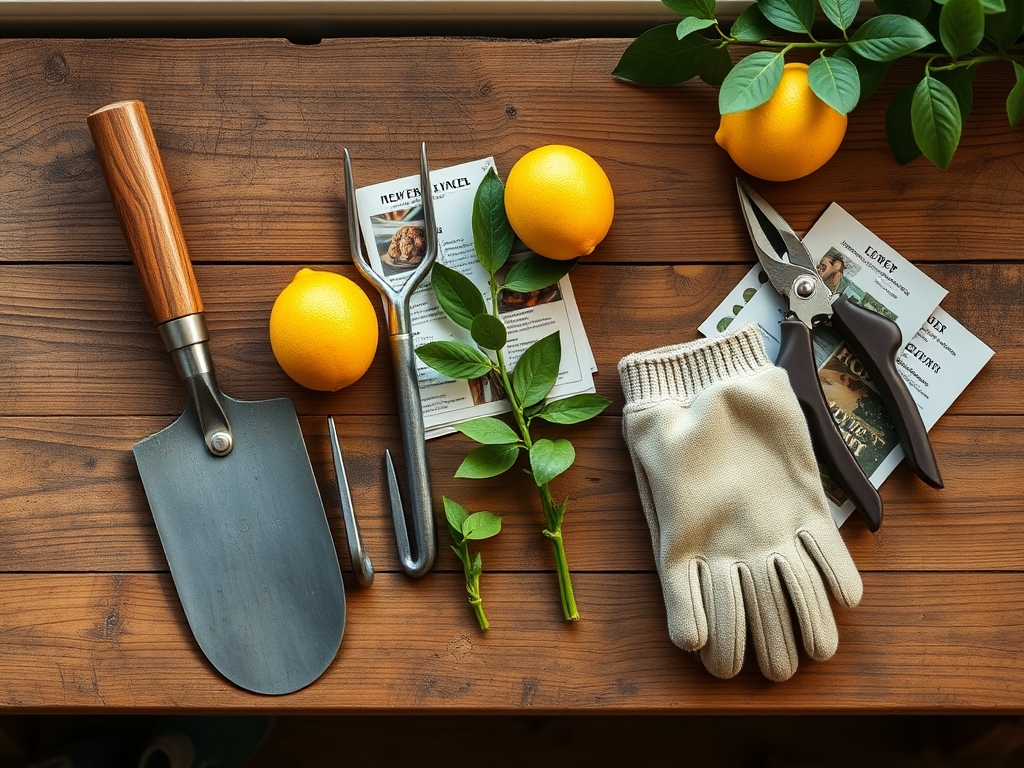
Materials:
The foundation of a productive Meyer lemon is the substrate. You require a **friable loam** that balances drainage with water retention. Aim for a **soil pH between 5.5 and 6.5**. Citrus are acid-loving plants; a pH above 7.0 triggers iron chlorosis, inhibiting chlorophyll synthesis.
For nutrition, secure a fertilizer with an NPK ratio of 3-1-1 or 2-1-1. Meyer lemons are heavy nitrogen feeders. Look for formulations containing chelated micronutrients, specifically Zinc, Iron, and Manganese. The Cation Exchange Capacity (CEC) of your soil should be high enough to hold these nutrients against leaching during frequent watering. Use a pot with at least four drainage holes; glazed ceramic or plastic is preferable to terracotta to prevent rapid desiccation of the root ball.
Timing:
While Meyer lemons are hardy to USDA Zone 9, indoor cultivation bypasses traditional frost dates. However, the biological clock of the plant remains tied to the photoperiod. The transition from vegetative growth to reproductive flowering typically occurs when temperatures drop slightly and light intensity shifts.
Maintain an indoor temperature range of 65 to 85 degrees Fahrenheit. If temperatures drop below 50 degrees, the plant enters a semi-dormant state where metabolic activity slows significantly. For optimal fruit set, ensure the plant receives at least 12 hours of high-intensity light per day. If natural sunlight through a south-facing window is insufficient, supplement with full-spectrum LED grow lights to maintain the photosynthetic rate required for carbohydrate storage in the fruit.
Phases:
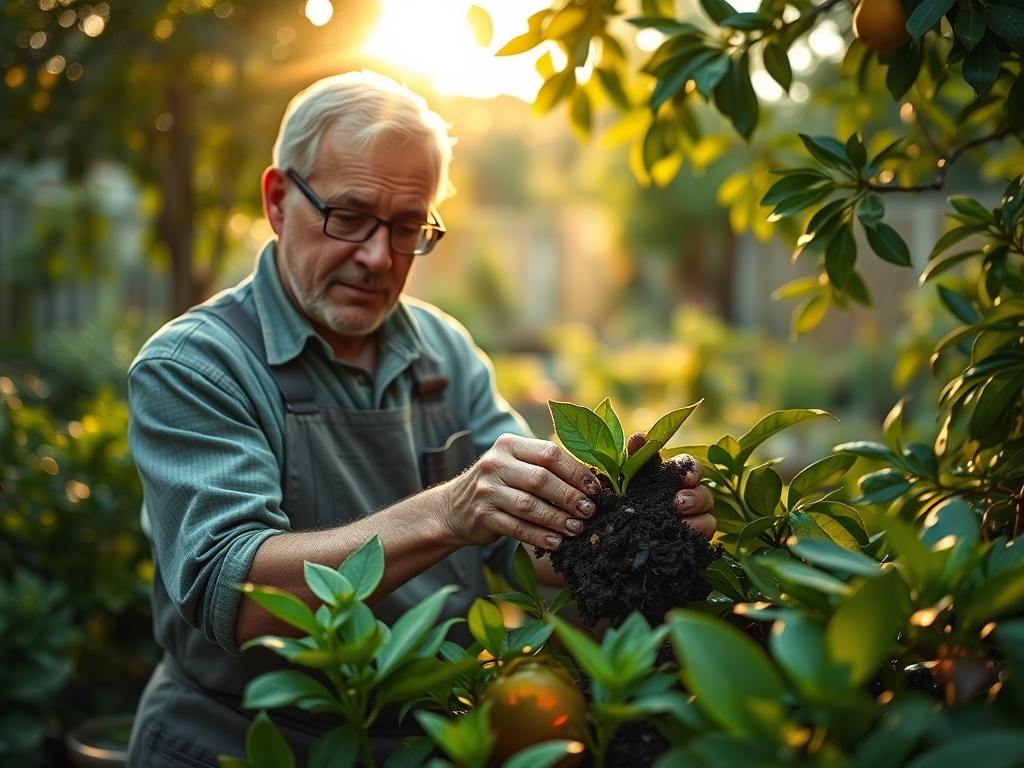
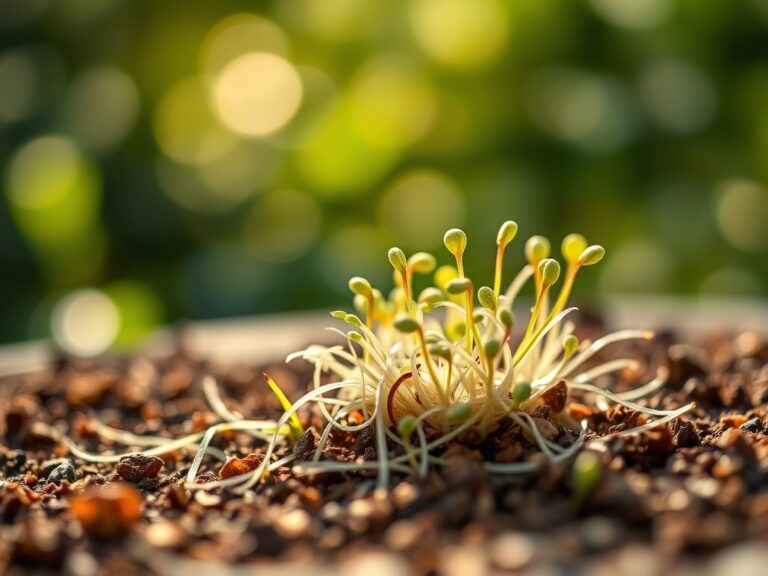
Sowing and Selection
Growing from seed is inefficient for fruit quality; always start with a grafted two-year-old sapling. Ensure the graft union is callous and firm. Inspect the root system for a healthy white color.
Pro-Tip: Ensure the graft union remains 2 inches above the soil line. Biological Why: The scion (upper portion) is susceptible to soil-borne pathogens and "scion rooting," which bypasses the dwarfing and disease-resistant properties of the rootstock.
Transplanting
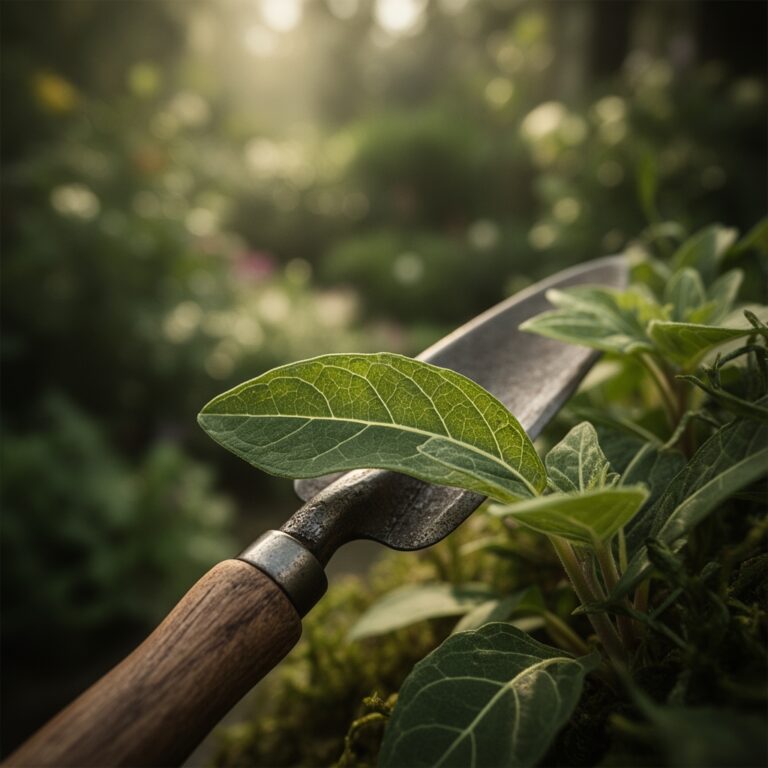
Move your sapling into a container 2 inches wider than its current nursery pot. Tease the outer roots to break the circular growth pattern. Use a hori-hori knife to slice any girdling roots.
Pro-Tip: Inoculate the soil with mycorrhizal fungi during transplanting. Biological Why: This creates a symbiotic relationship that increases the surface area of the root system, enhancing the uptake of phosphorus and water through hyphal networks.
Establishing and Pollination
Once established, the plant will produce white, highly fragrant blossoms. Indoors, there are no natural pollinators. You must act as the vector for genetic transfer.
Pro-Tip: Use a small paintbrush to transfer pollen from the anthers to the sticky stigma of each flower. Biological Why: Meyer lemons are self-fertile, but manual agitation ensures a higher percentage of fruit set by overcoming the lack of wind-driven pollen movement in stagnant indoor air.
The Clinic:
Physiological disorders often mimic pest damage. Use this diagnostic guide to stabilize your plant.
- Symptom: Interveinal Yellowing (Older Leaves).
- Solution: This indicates Nitrogen deficiency. Apply a water-soluble high-nitrogen fertilizer immediately.
- Fix-It: Check the soil pH. If the pH is too high, Nitrogen becomes chemically locked and unavailable to the roots.
- Symptom: Leaf Drop (Sudden).
- Solution: This is often "Winter Acclimation Syndrome." It occurs when the roots are cold but the leaves are in warm, dry air.
- Fix-It: Elevate the pot off cold floors and use a humidifier to maintain 50 percent humidity.
- Symptom: Sticky Residue on Leaves.
- Solution: This is honeydew from scale or aphids.
- Fix-It: Wipe leaves with a 70 percent isopropyl alcohol solution and increase air circulation using a small fan to disrupt pest colonization.
Maintenance:
Precision maintenance prevents the senescence of productive wood. Use a soil moisture meter to monitor the substrate. Do not water on a schedule; water when the top 2 inches of soil feel dry. When you irrigate, apply water until it drains freely from the bottom to flush out accumulated mineral salts.
Pruning is essential for light penetration. Use sharp bypass pruners to remove "water sprouts" (vigorous vertical shoots that consume energy without producing fruit). Aim for an open-center canopy. This allows light to reach the interior leaves, maintaining a high rate of gas exchange through the stomata. Every six months, top-dress the soil with an inch of organic compost to maintain the microbial health of the rhizosphere.
The Yield:
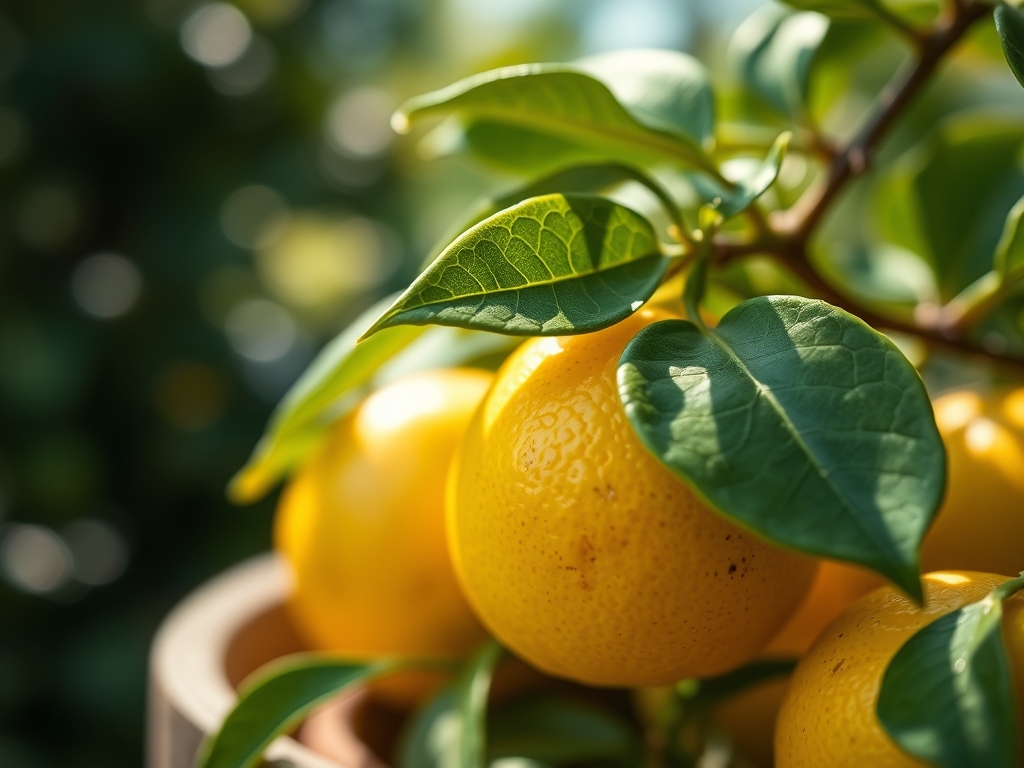
Meyer lemons do not ripen off the tree. You must wait for the rind to turn a deep egg-yoke yellow and for the fruit to feel slightly soft when squeezed. This process can take 6 to 9 months from the initial bloom.
To harvest, use pruners to snip the fruit off the branch, leaving a small piece of the pedicel attached. This prevents the "plugging" of the rind, which leads to rapid decay. Post-harvest, the fruit maintains its peak sugar-to-acid ratio for about two weeks if kept at room temperature. For "day-one" freshness, store harvested lemons in a sealed plastic bag in the refrigerator to maintain turgor and prevent the evaporation of essential oils through the porous skin.
FAQ:
How much light do indoor Meyer lemons need?
They require a minimum of 8 to 12 hours of direct sunlight daily. In low-light environments, supplement with full-spectrum LED grow lights positioned 12 inches above the canopy to prevent etiolation and ensure fruit maturation.
Why are my lemon tree leaves turning yellow?
Yellowing, or chlorosis, typically indicates a Nitrogen deficiency or a pH imbalance. If the veins remain green while the leaf turns yellow, it is likely an Iron deficiency caused by soil that is too alkaline for nutrient uptake.
How often should I water my indoor lemon tree?
Water when the top 2 inches of soil are dry to the touch. This usually equates to once or twice a week, depending on indoor humidity levels. Always ensure the pot has excellent drainage to prevent root asphyxiation.
Do I need two trees for cross-pollination?
No, Meyer lemons are self-fertile. However, indoor plants require manual pollination. Gently agitate the flowers or use a small brush to move pollen from the anthers to the stigma to ensure a successful fruit set.
What is the best fertilizer for indoor citrus?
Use a dedicated citrus fertilizer with a 2-1-1 or 3-1-1 NPK ratio. Ensure it contains trace minerals like Iron, Manganese, and Zinc. Apply at half-strength during the winter months when the plant's metabolic rate is slower.