6 Vital Steps to Care for an Indoor Fig Tree
Crush a handful of damp potting medium and the smell of geosmin signals a healthy rhizosphere. A thriving Ficus lyrata or Ficus carica displays high turgor pressure; the leaves feel like thick, cool leather rather than limp parchment. Mastering the steps to care for an indoor fig tree requires a shift from casual hobbyist to disciplined horticulturist. You must manage light cycles, moisture gradients, and nutrient availability with clinical precision to prevent leaf abscission. Success is measured in new apical growth and the absence of necrotic margins.
Indoor fig trees are sensitive to sudden environmental shifts. They require a stable microclimate where humidity remains above 40 percent and temperatures fluctuate no more than 15 degrees Fahrenheit between day and night. The goal is to replicate a Mediterranean or tropical understory within a confined interior space. This involves balancing gas exchange and transpiration rates through strategic placement and rigorous soil management. When these variables align, the tree maintains a robust vascular system capable of supporting heavy foliage and, in some species, syconium development.
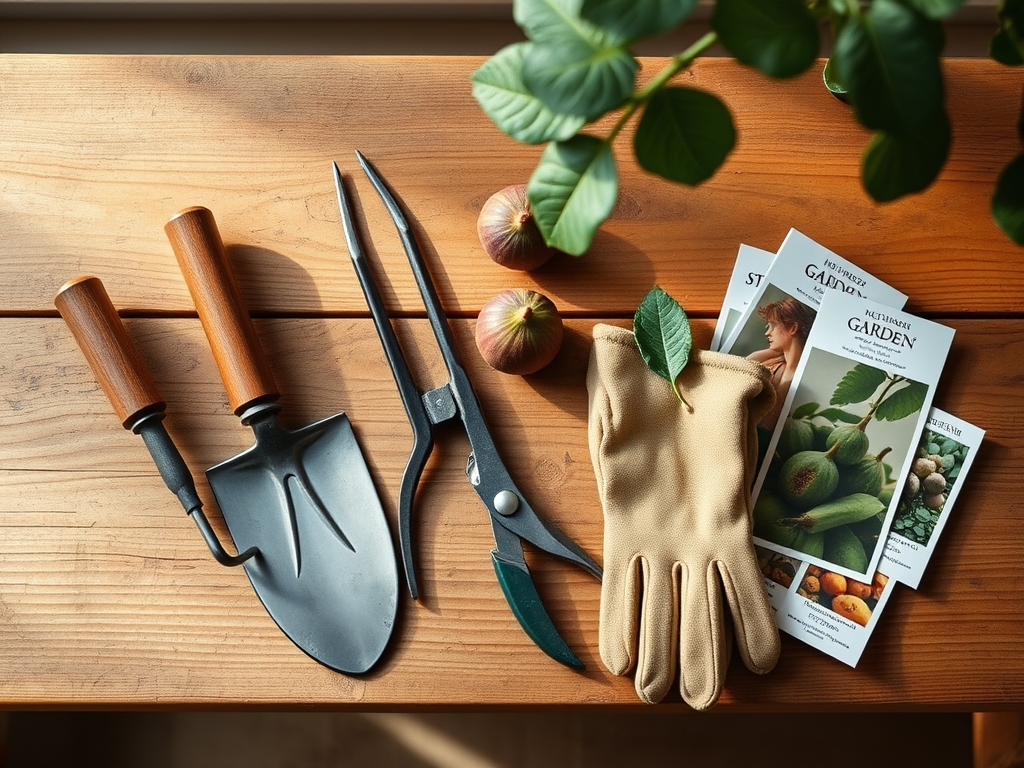
Materials:
The substrate is the foundation of the tree's health. You need a friable loam that facilitates rapid drainage while maintaining a high Cation Exchange Capacity (CEC). A professional grade mix consists of two parts peat moss or coconut coir, one part perlite, and one part coarse sand. This structure ensures the roots have access to oxygen, preventing the anaerobic conditions that lead to Phytophthora root rot.
Soil chemistry must be tightly controlled. Aim for a pH level between 6.0 and 7.0. If the pH drops below 6.0, phosphorus and magnesium become less available; if it rises above 7.0, iron and manganese solubility decreases, leading to interveinal chlorosis.
For nutrition, utilize a fertilizer with an NPK ratio of 3-1-2. Nitrogen (N) drives the vegetative growth of the large leaves. Phosphorus (P) supports root architecture. Potassium (K) regulates the opening and closing of stomata, which is critical for moisture retention. Supplement with a micronutrient solution containing 0.1% Boron and 0.5% Chelated Iron to ensure enzymatic functions remain optimal.
Timing:
While indoor figs are shielded from the elements, they still respond to the biological clock dictated by the photoperiod. Most Ficus species enter a period of slowed metabolism during the winter months when daylight drops below 10 hours per day. Even in Hardiness Zones 9 through 11, where these trees might grow outdoors, indoor specimens require a "rest" phase with reduced fertilization from November through February.
The transition from the vegetative stage to the reproductive stage (if the variety is a fruiting Ficus carica) usually occurs when temperatures consistently stay between 70 and 80 degrees Fahrenheit. Monitor the "Biological Clock" by watching for the swelling of axillary buds. If you intend to move your tree outdoors for the summer, wait until the night temperatures are reliably above 55 degrees Fahrenheit to avoid chilling injury, which can cause immediate leaf drop.
Phases:

Sowing and Propagation
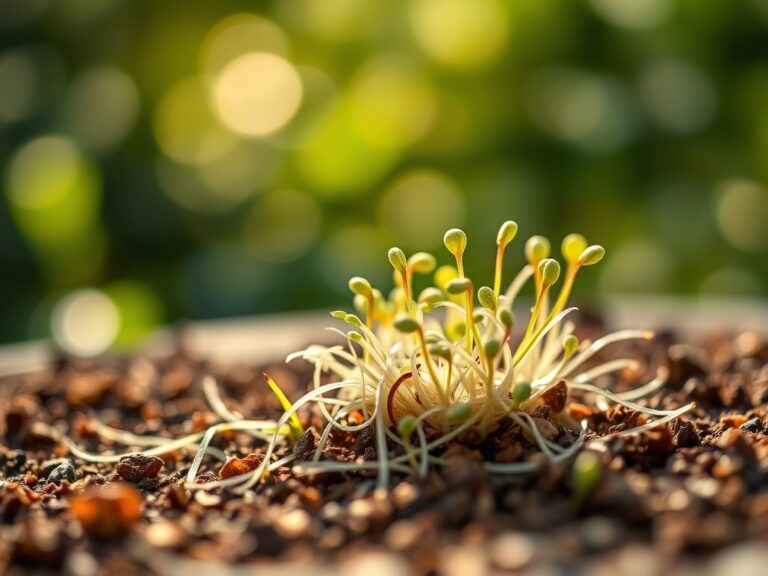
Most indoor figs are started from semi-hardwood cuttings rather than seeds to ensure genetic clones of the parent. Cut a 6-inch segment of a healthy branch during the spring. Dip the proximal end in a 0.3% Indole-3-butyric acid (IBA) rooting hormone. Place the cutting in a sterile perlite and vermiculite mix. Maintain a consistent temperature of 75 degrees Fahrenheit using a bottom heat mat.
Pro-Tip: High humidity is vital during rooting because the cutting has no root system to replace water lost through transpiration. Use a humidity dome to maintain 90% relative humidity, which prevents the desiccation of the vascular cambium before new roots can form.
Transplanting
Repot the tree every 24 to 36 months or when roots begin to circle the interior of the pot. Select a container only 2 inches wider than the current one. Use a hori-hori knife to prune any circling or girdled roots. This stimulates the growth of fine feeder roots in the new substrate. Ensure the root flare remains visible at the soil surface; burying the trunk too deep leads to stem rot.
Pro-Tip: Mycorrhizal symbiosis is a secret weapon. Inoculate the new soil with Glomus intraradices fungi. These organisms extend the reach of the root system, increasing the surface area for water and phosphorus absorption by up to ten times.
Establishing
Once transplanted, place the tree in a location receiving 6 to 8 hours of bright, indirect light. Avoid direct southern exposure in mid-summer, as the glass can magnify heat and cause leaf scorch. Rotate the pot 90 degrees every week to ensure even light distribution across the canopy.
Pro-Tip: This rotation prevents extreme phototropism. By equalizing light exposure, you suppress the over-concentration of auxins on the shaded side of the stem, resulting in a straight, structurally sound trunk rather than a leaning specimen.
The Clinic:
Physiological disorders often mimic pathogen attacks. Use this diagnostic guide to identify and correct issues.
- Symptom: Yellowing of lower, older leaves while veins remain green.
- Solution: This indicates Nitrogen chlorosis. The plant is scavenging nitrogen from old growth to support new leaves. Apply a high-nitrogen liquid fertilizer immediately.
- Symptom: Small, brown spots with yellow halos on new leaves.
- Solution: This is often Edema. It occurs when the roots take up more water than the leaves can transpire. Reduce watering frequency and increase air circulation with a small fan.
- Symptom: Sudden drop of green, healthy-looking leaves.
- Solution: Environmental shock. Check for cold drafts or a recent change in light intensity. Stabilize the temperature at 65-75 degrees Fahrenheit.
Fix-It for Magnesium Deficiency: If you see "V" shaped yellowing on the leaf tips, dissolve 1 tablespoon of Epsom salts per gallon of water and apply it to the soil. Magnesium is the central atom in the chlorophyll molecule; without it, photosynthesis fails.
Maintenance:
Precision is the difference between a surviving tree and a thriving one. Use a soil moisture meter to check the substrate. Do not water on a schedule; water when the top 2 inches of soil feel dry. When you water, apply enough so that roughly 10 percent of the volume exits through the drainage holes. This flushes out accumulated mineral salts that can burn root tips.
Pruning is essential for maintaining size and airiness. Use bypass pruners to remove any crossing branches or "suckers" growing from the base. Always cut at a 45-degree angle just above a leaf node. If the tree produces a milky white sap (latex) after pruning, use a damp cloth to wipe it away; this sap can be a skin irritant and may stain flooring.
The Yield:
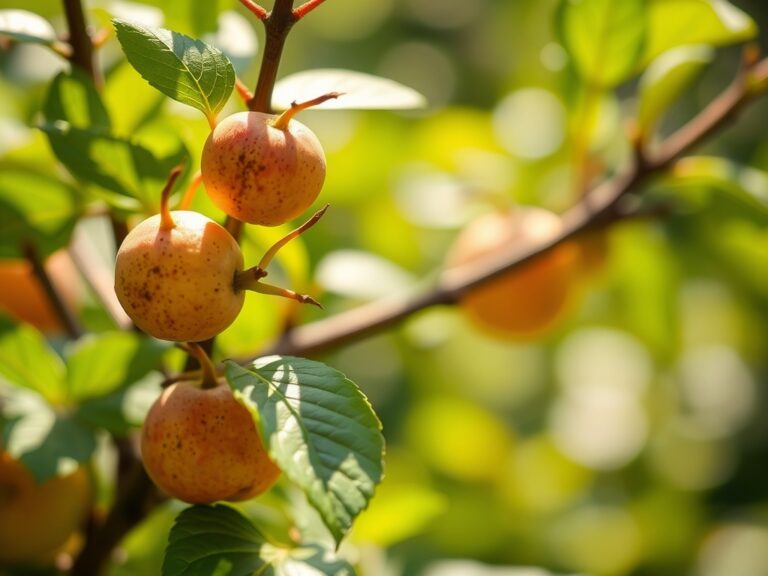
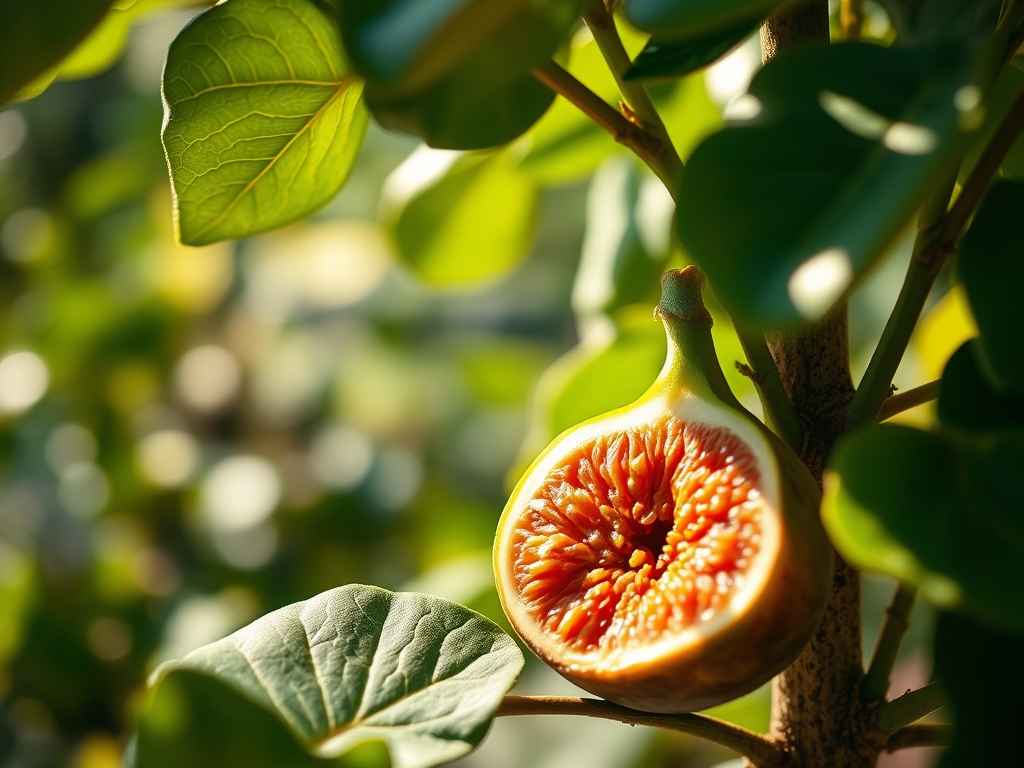
If you are growing a fruiting variety like the 'Brown Turkey' or 'Little Miss Figgy' indoors, harvest timing is critical. Figs do not ripen once removed from the tree. Look for the fruit to "neck" or hang vertically. The skin should feel soft to the touch and may show small cracks.
To harvest, wear gloves to avoid the irritating sap. Use a sharp blade to cut the pedicel (stem) from the branch. To maintain "day-one" freshness, move the fruit immediately to a refrigerator set at 35 to 40 degrees Fahrenheit. Figs have a high respiration rate and will ferment quickly if left at room temperature.
FAQ:
Why are the leaves on my fig tree turning brown and crispy at the edges?
Low humidity or high salt accumulation in the soil usually causes leaf scorch. Ensure humidity is above 40% and flush the soil with distilled water to remove excess fertilizer salts that hinder water uptake.
How much light does an indoor fig tree actually need?
Aim for 1,000 to 2,000 foot-candles of light. This typically equates to a spot near a large North or East facing window. If using LED grow lights, provide 30 to 40 watts per square foot.
Can I grow a fig tree in a pot without drainage holes?
No. Lack of drainage leads to perched water tables and anaerobic conditions. This causes root hypoxia, where the roots cannot breathe, leading to rapid tissue death and the eventual collapse of the entire tree.
What is the best fertilizer for an indoor fig?
Use a water-soluble 3-1-2 NPK formula. This ratio provides the high nitrogen levels required for foliage density while maintaining enough potassium for cellular turgidity and disease resistance. Apply at half-strength every two weeks during the active growing season.