5 Simple Ways How to Grow Bambino Fiddle Leafs
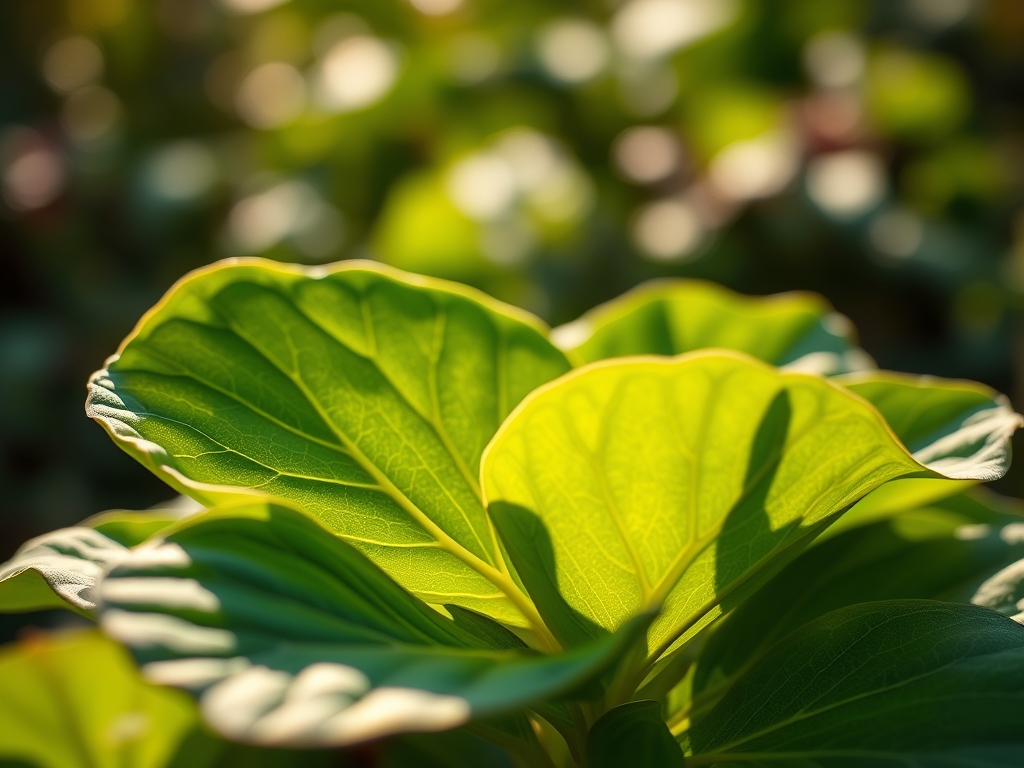
The sharp scent of wet pine bark and the tactile snap of a leaf with high turgor pressure define the workspace of a serious indoor horticulturalist. Ficus lyrata 'Bambino' is the compact cultivar of the standard Fiddle Leaf Fig; it requires a precise balance of light intensity and soil chemistry to thrive. Mastering how to grow bambino fiddle leafs demands an understanding of cellular respiration and moisture management. You are not just decorating a room; you are managing a high-maintenance biological engine that responds to every degree of temperature shift.
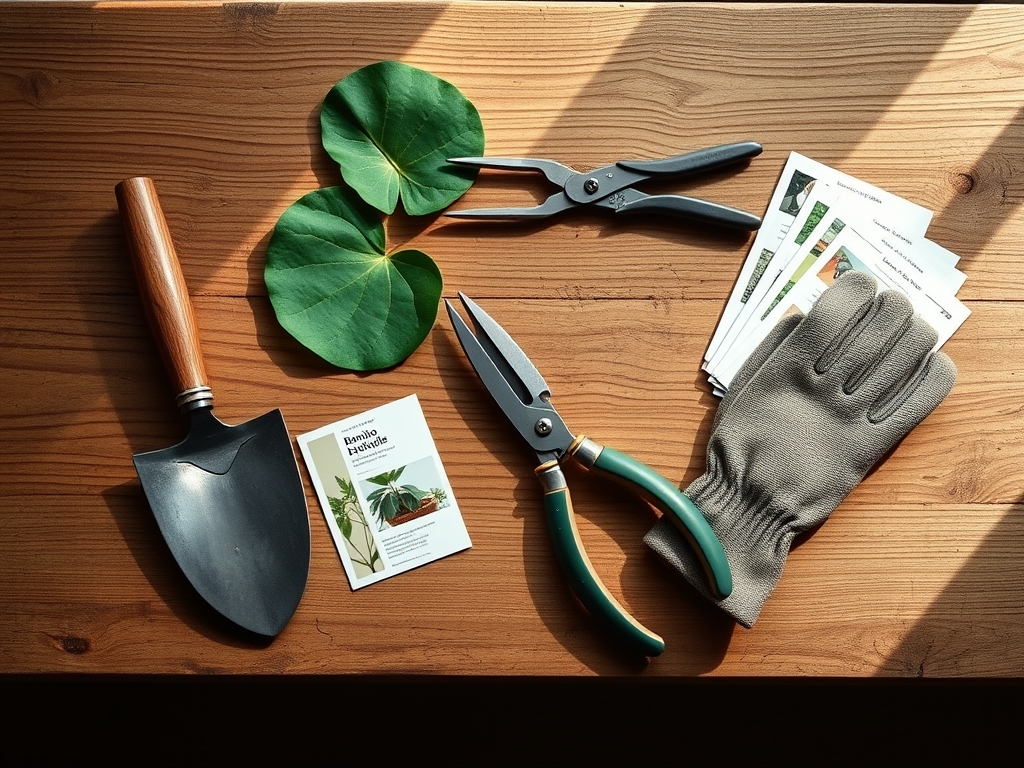
Materials:
Success begins with the substrate. The Bambino requires a **friable loam** with a high **Cation Exchange Capacity (CEC)** to ensure nutrient availability. The ideal soil pH ranges between **6.0 and 7.0**, which is slightly acidic to neutral. This range allows for optimal uptake of micronutrients like iron and manganese.
Your nutrient profile should follow a specific NPK ratio of 3:1:2. Nitrogen (N) is essential for the vegetative development of those thick, leathery leaves. Phosphorus (P) supports the lignification of the central woody stem. Potassium (K) regulates stomatal opening and closing, which prevents moisture loss. Avoid heavy peat-based mixes that collapse over time; instead, use a blend of 60% orchid bark, 20% perlite, and 20% coconut coir to ensure rapid drainage and aeration within the rhizosphere.
Timing:
The Bambino is native to tropical West Africa and is suited for USDA Hardiness Zones 10 through 12. If you live outside these zones, the plant must remain indoors year-round. The biological clock of this Ficus is dictated by the photoperiod. It enters a vigorous vegetative state when day lengths exceed 12 hours.
Timing your interventions is critical. Perform any major repotting or heavy pruning during the spring equinox. This aligns with the plant's natural surge in auxin production, which facilitates faster healing of vascular tissues. Avoid structural changes during the winter dormancy period when the metabolic rate slows. Cold drafts below 60 degrees Fahrenheit can trigger premature senescence, causing the plant to drop its lower leaves as a survival mechanism.
Phases:
Sowing and Propagation
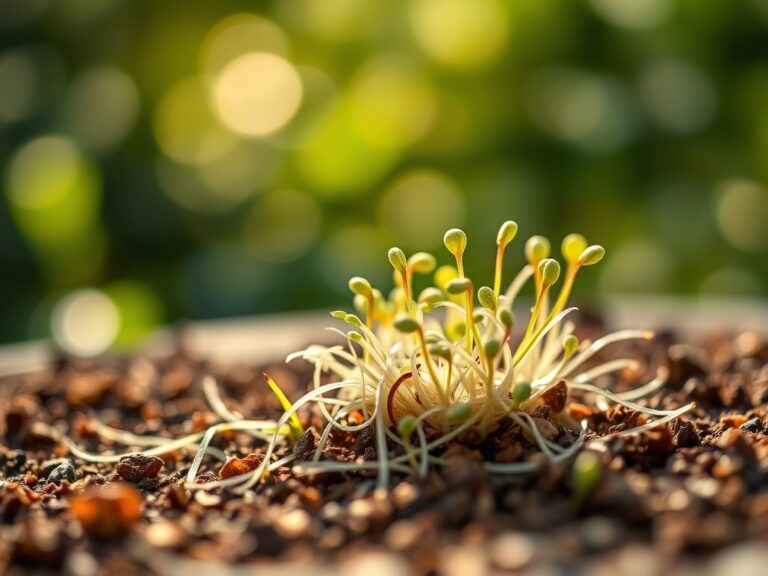
Bambinos are rarely grown from seed in a home setting; they are typically propagated via air layering or stem cuttings. To propagate, select a semi-woody stem and make a clean incision with a sterilized blade. Apply a 0.3% Indole-3-butyric acid (IBA) rooting hormone to the wound to stimulate adventitious root growth.
Pro-Tip: Wrap the incision in moist sphagnum moss and plastic. This creates a localized high-humidity environment that suppresses ethylene gas, preventing the leaf near the cut from yellowing before roots establish.
Transplanting
When the roots begin to circle the nursery pot, it is time to transition. Select a container only 2 inches wider than the current root ball. Excessive soil volume leads to "perched water tables," where the bottom layer of soil stays anaerobic and rots the root tips.
Pro-Tip: When placing the plant, do not bury the root flare. Keeping the top of the root system slightly exposed promotes gas exchange at the base of the trunk, preventing crown rot caused by Phytophthora pathogens.
Establishing
The first 60 days after moving the plant are the most volatile. The Bambino must calibrate its transpiration rate to the new light levels. Place it in a location receiving 200 to 400 foot-candles of light. If the light is too low, the plant will fail to produce enough ATP through photosynthesis to maintain its existing biomass.
Pro-Tip: Rotate the pot 90 degrees every week. This prevents phototropism, where the plant leans toward the light source, and ensures an even distribution of cytokinins, the hormones responsible for lateral bud development.
The Clinic:
Physiological disorders in Ficus lyrata are usually a roadmap of environmental stress.
- Symptom: Small reddish-brown spots on new growth (Edema).
Solution: This is caused by inconsistent watering. When cells take in water faster than they can transpire, they burst. Maintain a steady moisture level and increase airflow to stabilize vapor pressure deficit (VPD).
- Symptom: Yellowing of lower leaves (Nitrogen Chlorosis).
Solution: The plant is scavenging nitrogen from old growth to support new leaves. Apply a liquid fertilizer with a 3-1-2 NPK ratio at half strength.
- Symptom: Brittle, brown leaf margins.
Solution: This indicates low humidity or salt buildup from tap water. Flush the substrate with distilled water to leach out excess minerals and maintain ambient humidity above 50%.
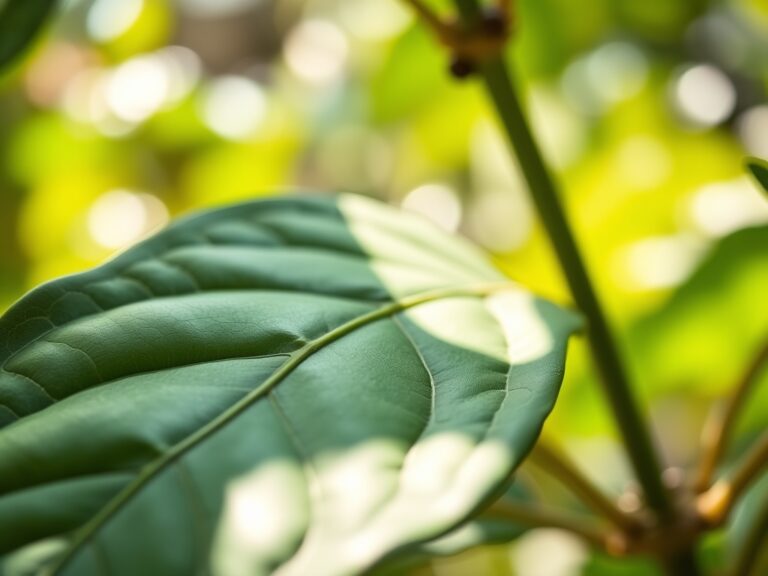
Fix-It: If you notice a "bleached" look on the top leaves, this is photo-oxidation or sunburn. Move the plant three feet back from the window or install a sheer curtain to diffuse the UV rays.
Maintenance:
Consistency is the primary metric for success. Use a soil moisture meter to verify that the top 2 inches of the substrate are dry before adding water. On average, a Bambino in a 10-inch pot requires roughly 1.5 liters of water per week, applied directly to the soil surface to avoid wetting the foliage.
Pruning should be surgical. Use bypass pruners to remove any dead or crossing branches. If the plant becomes "leggy," use a hori-hori knife or sharp shears to "notch" the bark above a dormant bud. This interrupts the flow of auxins from the apical meristem and forces the plant to branch out, creating a bushier habit. Dust the leaves monthly with a damp microfiber cloth. Accumulated dust blocks the stomata, significantly reducing the efficiency of gas exchange and photosynthesis.
The Yield:
While the Bambino does not produce edible fruit in an indoor environment, its "yield" is measured in leaf retention and stem caliper. A healthy specimen should produce 2 to 4 new leaves during the peak growing season. To maintain "day-one" freshness and aesthetic integrity, ensure the plant is not moved once it has acclimated. Moving the plant forces it to rearrange its chloroplasts, which consumes significant metabolic energy and can lead to a "stall" in growth for several weeks.
FAQ:
How much light does a Bambino Fiddle Leaf need?
They require bright, indirect light. Aim for 6 to 8 hours of filtered sunlight daily. Avoid direct afternoon sun, which exceeds the plant's light compensation point and causes leaf scorch or permanent cellular damage.
Why are the leaves on my Bambino falling off?
Sudden leaf drop is usually a reaction to environmental shock or overwatering. Check for root rot (mushy, black roots) and ensure the ambient temperature remains above 60 degrees Fahrenheit without sudden fluctuations or drafts.
How often should I fertilize my Ficus Bambino?
Apply a balanced liquid fertilizer every 4 to 6 weeks during the spring and summer. Cease fertilization during the winter months when the plant is in a semi-dormant state to avoid salt accumulation in the rhizosphere.
Can I grow a Bambino in low light?
No. In low light, the plant cannot sustain its metabolic demands. It will experience elongated internodes, leaf drop, and increased susceptibility to pests like spider mites due to weakened cellular structures and low turgor.