10 Basic Steps to Plant Lavender Hedges
Crushing a silver-grey leaf between your thumb and forefinger releases volatile oils that cut through the scent of damp, mineral-rich earth. This tactile sensation indicates high turgor pressure within the plant vascular system. Successful cultivation requires more than aesthetic placement; it demands a rigorous adherence to the steps to plant lavender hedges to ensure structural integrity and floral density. A hedge functions as a living barrier that must withstand wind shear while maintaining internal airflow to prevent fungal pathogens from colonizing the rhizosphere.
Establishing a uniform hedge requires precise spacing and soil chemistry management. You are not merely planting individual shrubs; you are engineering a continuous biological wall. Most failures occur due to poor drainage or excessive nitrogen, which leads to leggy growth and weak stems. By focusing on root development and specific soil saturation levels, you can force the plant into a dense, mounded habit. This guide provides the technical framework necessary to transform raw soil into a structured, aromatic boundary through disciplined horticultural practice.
Materials:
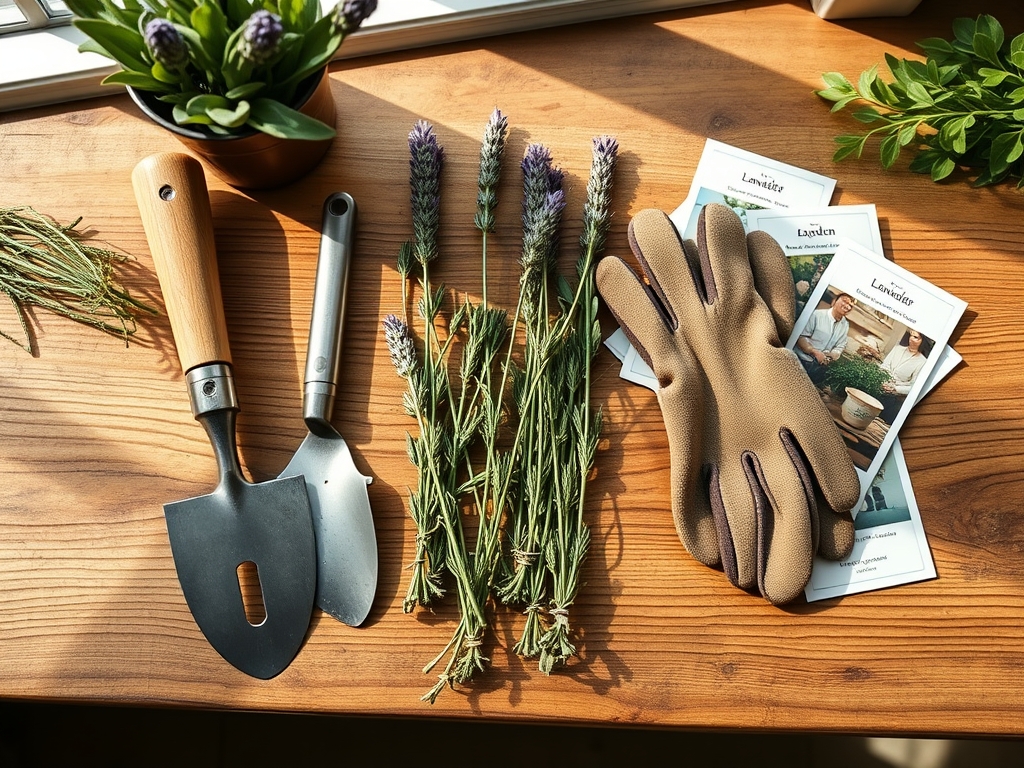
The foundation of a lavender hedge is the substrate. Lavender (Lavandula spp.) requires a soil pH between 6.7 and 7.3. If your soil tests below 6.5, you must incorporate pelletized lime to raise the alkalinity. The physical texture should be a friable loam or sandy composition. Avoid heavy clay, as it lacks the macropores necessary for oxygen exchange at the root zone.
Regarding nutrition, avoid high-nitrogen fertilizers which stimulate soft, vegetative growth susceptible to frost damage. Use a low-impact organic fertilizer with an NPK ratio of 5-10-10. This provides sufficient phosphorus for root establishment and potassium for cellular water regulation without over-stimulating the foliage. If your soil has a low Cation Exchange Capacity (CEC), incorporate well-aged compost at a rate of one inch per square foot to improve nutrient retention.
Timing:
Lavender thrives in USDA Hardiness Zones 5 through 9, though specific cultivars like 'Phenomenal' or 'Munstead' offer varying cold tolerances. The ideal planting window opens when the soil temperature consistently reaches 55 degrees Fahrenheit (13 degrees Celsius). This usually occurs two to three weeks after the last spring frost.
The biological clock of the plant is governed by the photoperiod. Planting in the spring allows the lavender to complete its vegetative growth phase before the summer heat triggers the reproductive stage. If you plant too late in the season, the plant may experience heat stress before the root system can support the transpiration demands of the foliage. In warmer climates (Zones 8-9), a fall planting is also viable, as it allows for root development during the winter dormancy period.
Phases:

Sowing and Selection
While lavender can be grown from seed, hedges require the genetic uniformity provided by vegetative cuttings or nursery-grown "plugs." Select plants that are 4 to 6 inches in height with a robust central leader. Ensure the root ball is not "pot-bound," as circling roots will struggle to penetrate the surrounding soil.
Pro-Tip: Inspect the roots for mycorrhizal symbiosis. These beneficial fungi expand the root surface area, allowing for better phosphorus uptake and drought resistance. If the roots appear white and fuzzy, the plant is biologically primed for transplanting.
Transplanting
Space your plants 12 to 18 inches apart measured from the center of each main stem. This spacing ensures that as the plants reach maturity, their lateral branches interlock to form a seamless hedge. Dig a hole twice as wide as the root ball but no deeper. Planting too deep causes crown rot; the top of the root ball must be flush with the soil surface.
Pro-Tip: Use a hori-hori knife to score the sides of the planting hole. This breaks up "glazing" in the soil, preventing the roots from becoming trapped in a subterranean bowl and encouraging outward lateral growth.
Establishing
Immediately after planting, saturate the soil to settle air pockets. For the first 30 days, maintain a consistent moisture level. Use a soil moisture meter to ensure the root zone stays at roughly 40 percent saturation. Once new growth appears, reduce watering frequency significantly to encourage the roots to grow deeper in search of moisture.
Pro-Tip: Implement "apical dominance suppression" by pinching off the first set of flower buds. This diverts the plant's energy from reproduction back into the root system and lateral branching, resulting in a sturdier hedge base.
The Clinic:
Physiological disorders often mimic disease. Use this diagnostic framework to identify and correct issues.
- Symptom: Yellowing of lower leaves (Chlorosis).
Solution: This typically indicates a Nitrogen deficiency or overwatering. If the soil is soggy, reduce irrigation. If the soil is dry, apply a liquid seaweed extract to provide a quick dose of bioavailable nitrogen. - Symptom: Wilting despite moist soil.
Solution: This is a sign of root rot (Phytophthora). The roots have lost their ability to transport water due to fungal decay. Improve drainage by incorporating 3/4-inch crushed stone into the soil profile. - Symptom: Stunted growth and purple-tinged foliage.
Solution: This suggests a Phosphorus deficiency, often caused by soil temperatures being too cold for nutrient uptake. Apply a bone meal supplement once the soil warms above 60 degrees Fahrenheit. - Fix-It: For general vigor, apply a top-dressing of wood ash or crushed eggshells in early spring to provide calcium and maintain the alkaline pH necessary for cell wall strength.
Maintenance:
A lavender hedge is a high-performance landscape feature that requires precise calibration. Provide 1.5 inches of water per week at the drip line during the first growing season. Once established, lavender is highly drought-tolerant and may only require supplemental irrigation during prolonged dry spells. Always water at the base of the plant; overhead irrigation increases humidity within the canopy, leading to fungal outbreaks.
Pruning is the most critical maintenance task. Use bypass pruners to remove one-third of the green growth every autumn after the flowers have faded. Never cut back into the "old wood" or the leafless, brown interior of the plant. Lavender lacks dormant buds on old wood; if you prune too deeply, that section of the hedge will remain bare. Aim for a "mounded" shape to allow sunlight to reach the lower branches, preventing the bottom of the hedge from becoming sparse.
The Yield:
Harvesting lavender for its essential oils or dried bundles requires timing the "peak senescence" of the flower spikes. The optimal window is when the bottom two or three florets on a spike have opened, but the rest remain closed. This ensures the highest concentration of linalool and linalyl acetate.
Use a sharp knife to cut the stems as long as possible. To maintain "day-one" freshness and prevent mold, bundle the stems with twine and hang them upside down in a dark, well-ventilated area with a humidity level below 50 percent. This method uses gravity to keep the stems straight and ensures the volatile oils remain concentrated in the flower heads.
FAQ:
How far apart should I space lavender for a hedge?
Space plants 12 to 18 inches apart from the center. This allows the lateral branches to knit together within two growing seasons, creating a solid, continuous barrier while still permitting necessary airflow between the main stems.
What is the best soil pH for lavender hedges?
Lavender requires an alkaline environment with a pH between 6.7 and 7.3. If your soil is acidic, incorporate lime. Proper pH ensures the plant can effectively uptake essential micronutrients like magnesium and calcium for structural strength.
When is the best time to prune a lavender hedge?
Prune in late summer or early autumn after the flowering cycle finishes. Remove approximately one-third of the green growth. Avoid cutting into the woody interior, as lavender does not easily regenerate from old wood.
How much water does a new lavender hedge need?
Provide 1 to 1.5 inches of water per week during the first season. Use a moisture meter to ensure the rhizosphere remains damp but not saturated. Once established, reduce watering to only during extreme drought conditions.
Why is my lavender hedge turning grey and brittle?
This often indicates winter dieback or lack of drainage. Ensure the soil is porous. If the wood is brittle and shows no green cambium layer when scratched, that section is dead and should be removed to prevent disease spread.