9 Simple Steps to Use Humidity Gauges
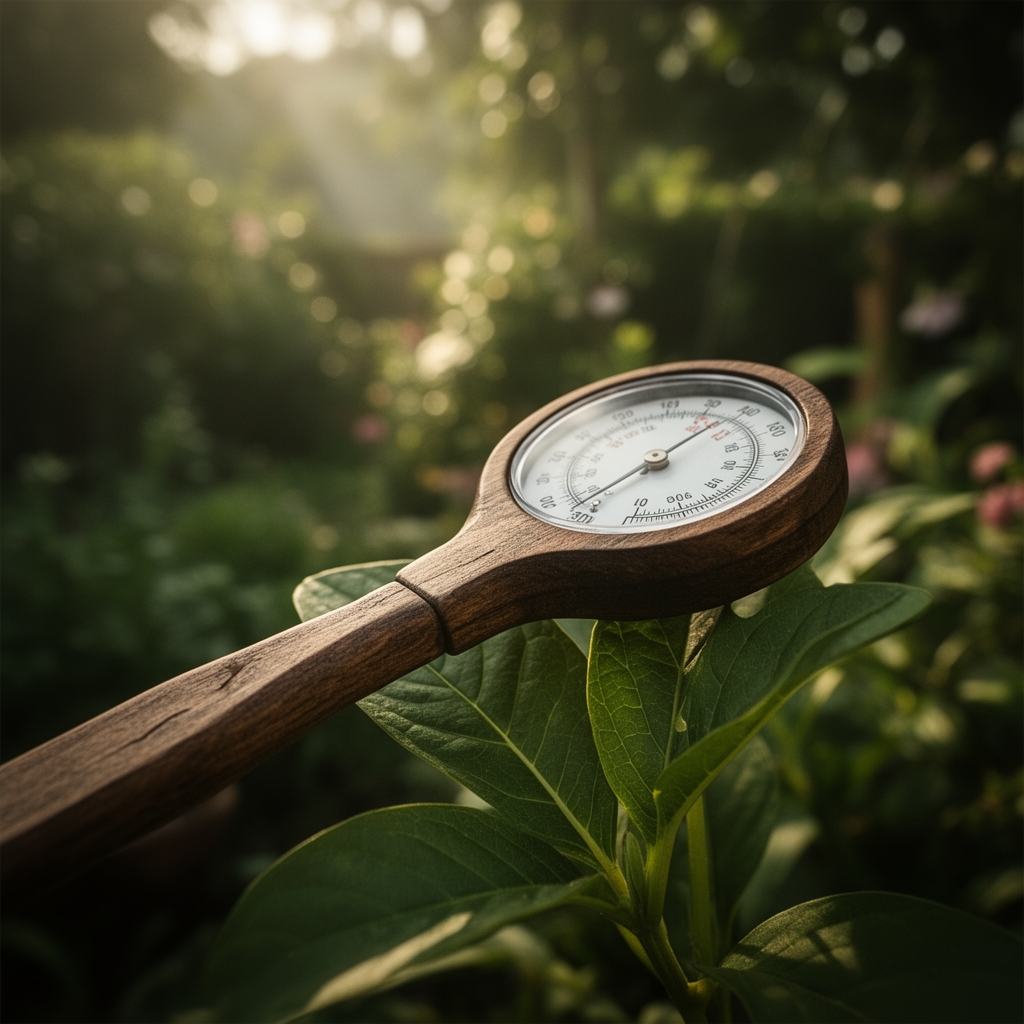
Humidity gauges transform guesswork into precision for indoor growers and greenhouse operators. When moisture levels drift outside optimal ranges, plants exhibit stunted growth, fungal infections, or transpiration failure. Learning the steps to use humidity gauges correctly prevents these cascading problems and establishes environmental control comparable to commercial production facilities. Analog dial models measure relative humidity through hair-tension mechanics, while digital hygrometers employ capacitive sensors that detect water vapor concentration in parts per million.
Materials
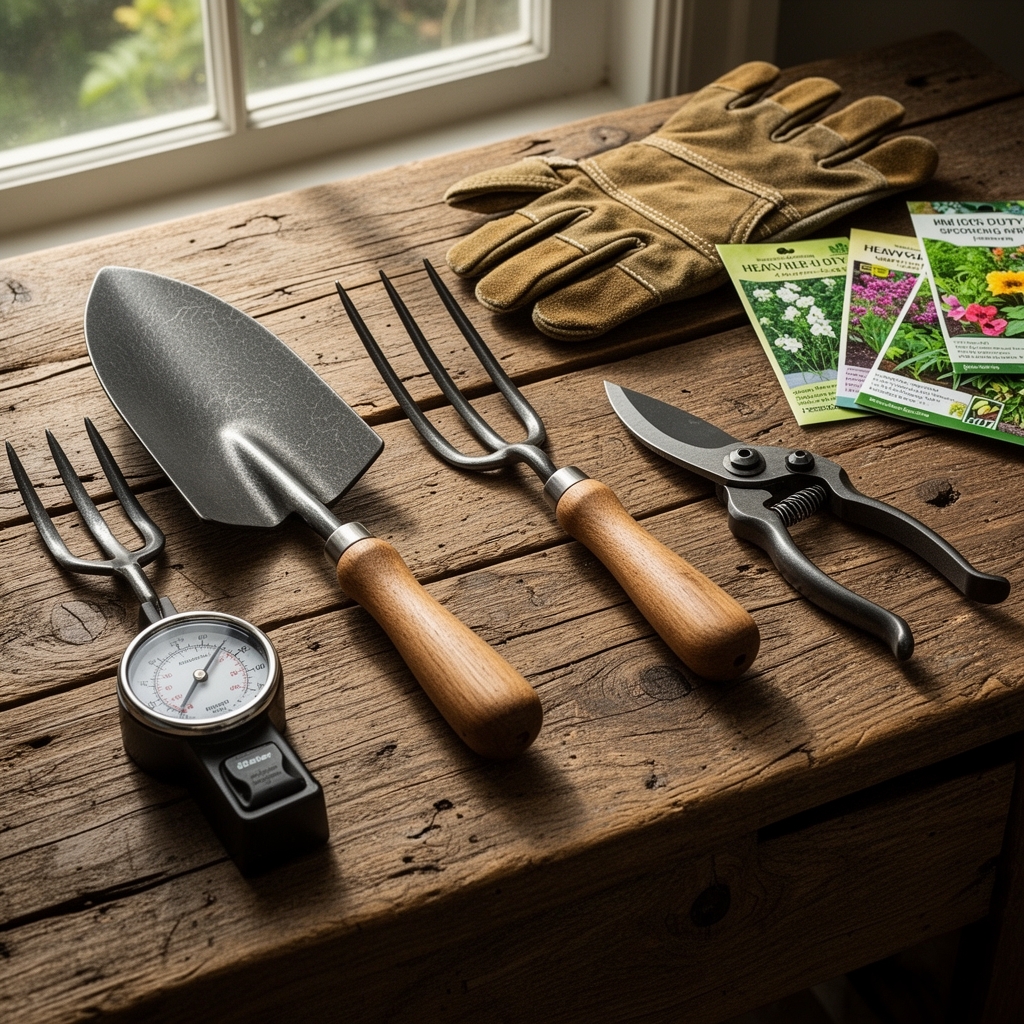
Select a hygrometer with ±3% accuracy or tighter tolerance. Analog models require no batteries but demand monthly calibration. Digital units with data-logging capability track humidity fluctuations across 24-hour cycles, revealing nocturnal condensation events that analog dials miss.
Calibration supplies include distilled water, table salt (sodium chloride), and a sealed container with airtight lid. The salt-slurry method produces a known 75% relative humidity reference point at 77°F. pH-neutral cleaning solution (7.0 pH) removes dust and organic residue from sensor surfaces without corroding electrodes. For soil moisture correlation, pair humidity readings with a tensiometer or time-domain reflectometry probe to measure substrate water potential at -10 to -50 centibars.
Mounting hardware varies by sensor type. Adhesive-backed models require smooth vertical surfaces away from irrigation mist or heating vents. Wired units need 18-gauge cable runs to avoid electromagnetic interference from ballasts or climate controllers. Place backup units in separate microclimates to cross-reference data and identify localized humidity pockets caused by poor air circulation.
Timing
Humidity gauge deployment follows transplant schedules and hardiness zone frost windows. In zones 5–7, install gauges two weeks before last spring frost when propagation chambers reach 70–75°F daytime temperatures. Seedlings demand 60–70% relative humidity during cotyledon emergence. As true leaves develop, reduce humidity to 50–60% to strengthen cuticle layers and enhance stomatal regulation.
Summer months in zones 8–10 create inverse challenges. When outdoor humidity exceeds 80%, greenhouses require dehumidification to prevent powdery mildew and botrytis. Monitor gauges during dawn hours when temperature drops cause dew point condensation. Adjust ventilation fan speeds or activate supplemental heating to maintain vapor pressure deficit between 0.8 and 1.2 kilopascals.
Fall hardening-off periods require gradual humidity reduction. Lower levels by 5% weekly over four weeks before transplanting to outdoor beds. This acclimation strengthens cell wall lignification and reduces transplant shock.
Phases

Sowing Phase: Position the gauge 6 inches above seed trays at canopy height. Germination chambers for warmth-loving species require 70–80% humidity and 75–85°F substrate temperature. Cover trays with clear humidity domes until radicle emergence. Check readings every 12 hours. If humidity falls below 65%, mist with room-temperature water or add wet capillary matting beneath trays.
Pro-Tip: Inoculate growing medium with Trichoderma harzianum at 1 × 10^6 colony-forming units per cubic foot. This beneficial fungus colonizes root zones in high-humidity environments and outcompetes damping-off pathogens like Pythium and Rhizoctonia.
Transplanting Phase: Recalibrate gauges after moving seedlings to larger containers. Root disturbance increases transpiration demand. Maintain 55–65% humidity for seven days post-transplant. Monitor auxin distribution by observing apical dominance and lateral bud activation. If terminal growth stalls, humidity may exceed 70%, reducing transpiration pull and nutrient uptake through xylem vessels.
Pro-Tip: Prune cotyledons at a 45-degree angle using sterile blades. Remove lower leaves that contact moist substrate to eliminate humidity-trapped fungal spore reservoirs.
Establishing Phase: Mature plants tolerate 40–60% humidity. Position gauges in the mid-canopy where leaf density is greatest. Dense foliage creates microclimates 10–15% more humid than ambient air. Increase airflow velocity to 0.5 meters per second to disrupt boundary layers clinging to leaf surfaces. Oscillating fans prevent stagnant humidity pockets that foster pathogen colonization.
Pro-Tip: Correlate humidity data with cation exchange capacity of the growing medium. Peat-based substrates with CEC values of 100–150 meq/100g retain moisture longer and elevate local humidity compared to perlite-heavy mixes at 5–10 meq/100g.
Troubleshooting
Symptom: Hygrometer reads 20% lower than reference gauge.
Solution: Recalibrate using salt-slurry method. Place sensor and open container of saturated salt solution in sealed chamber for 8 hours. Adjust display to 75% using calibration screw or digital menu.
Symptom: Persistent condensation on gauge lens or display.
Solution: Relocate unit away from irrigation zones and cold surfaces. Condensation indicates dew point proximity. Increase air temperature 3–5°F or boost circulation to raise dew point threshold.
Symptom: Leaf edges exhibit necrotic browning with curled margins.
Solution: Humidity below 30% causes excessive transpiration and tip burn. Increase humidity to 45–50%. Apply foliar spray of 0.5% potassium silicate solution to strengthen cell walls and reduce water loss through cuticles.
Symptom: White powdery coating on upper leaf surfaces.
Solution: Powdery mildew thrives at 55–70% humidity with poor airflow. Reduce humidity to 45%. Apply sulfur-based fungicide at 3 grams per liter. Increase fan speed to prevent spore germination.
Symptom: Digital gauge displays erratic readings fluctuating ±15%.
Solution: Replace sensor if older than 3 years. Capacitive sensors degrade with continuous exposure to moisture. Clean contacts with isopropyl alcohol and verify battery voltage exceeds 2.8V.
Maintenance
Calibrate gauges monthly using the salt-slurry method. Clean sensor grilles weekly with compressed air at 30 psi to remove dust buildup that insulates hygroscopic elements. Replace batteries in digital units every 6 months regardless of low-battery indicators. Alkaline cells leak electrolyte as they deplete, corroding circuit boards.
Rotate gauge positions quarterly to map spatial humidity variation. Place units at substrate level, mid-canopy, and upper canopy. Vertical gradients often exceed 15% in unventilated spaces. Log readings in spreadsheet software to identify seasonal trends and equipment drift.
Verify accuracy against a certified reference hygrometer annually. NIST-traceable standards cost $150–$300 but ensure measurement reliability. If deviations exceed ±5%, retire the gauge or return it to the manufacturer for factory recalibration.
FAQ
How often should I check humidity gauges?
Check twice daily during vegetative growth and four times daily during flowering when transpiration peaks. Automated data loggers eliminate manual checks and record minute-by-minute changes.
Can I use the same gauge in multiple rooms?
No. Each growing space develops unique microclimates. Moving gauges disrupts historical data tracking and delays detection of environmental drift.
What is the ideal humidity range?
Seedlings: 60–70%. Vegetative growth: 50–60%. Flowering/Fruiting: 40–50%. Lower humidity during reproduction reduces pathogen risk and enhances resin production in aromatic species.
Do humidity gauges need ventilation?
Yes. Stagnant air around sensors creates false high readings. Mount units where airflow from fans passes sensors every 20–30 seconds.
How does temperature affect humidity readings?
Relative humidity inversely correlates with temperature. A 10°F temperature increase can drop relative humidity by 20% even if absolute moisture remains constant. Maintain stable temperatures within ±3°F to ensure accurate readings.