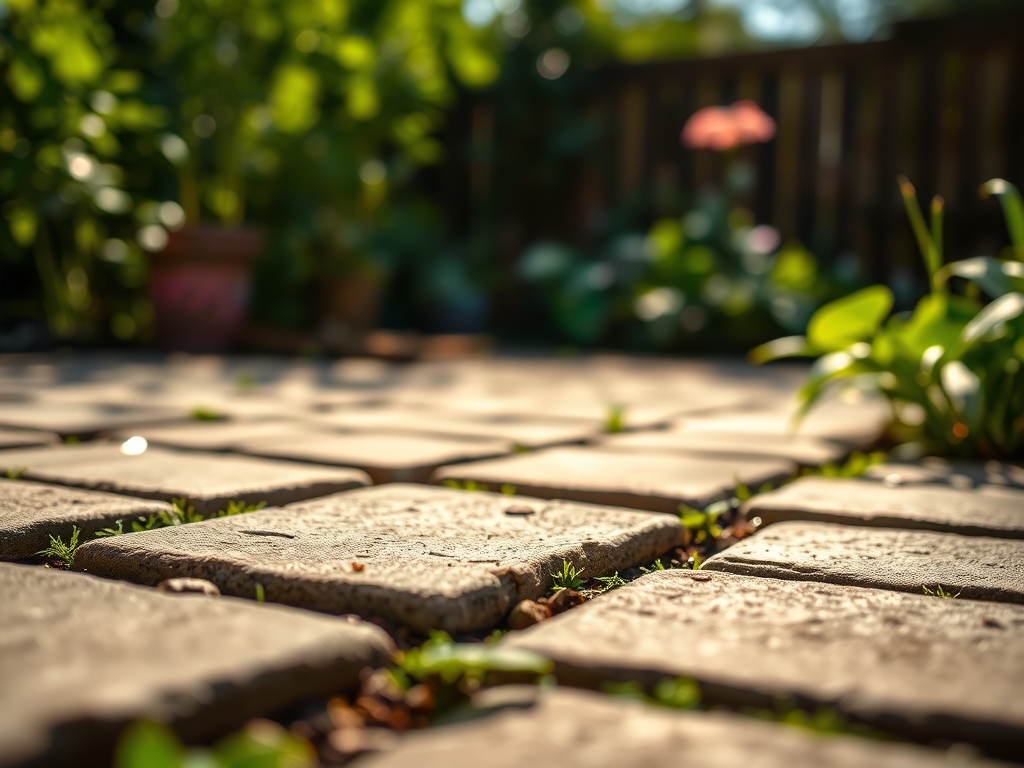
7 Modern Steps to Install Permeable Pavers
The smell of damp, anaerobic earth indicates a landscape gasping for air. When storm runoff pools, it suffocates the rhizosphere and triggers root rot in adjacent flora. To restore the hydrological balance, you must master the steps to install permeable pavers. This process replaces impervious surfaces with a system that mimics natural infiltration. By integrating porous aggregates and structural geometry, you ensure that water recharges the local aquifer rather than eroding the topsoil. Success depends on precision grading and substrate selection.
Materials:

Installation requires a deep understanding of soil mechanics and chemistry. Before excavation, test the soil pH. Most urban soils lean alkaline, often measuring **7.5 to 8.2 pH**. If you are planting near the pavers, aim for a **6.5 pH** to maximize nutrient availability. The substrate must be a friable loam or a well-draining sandy clay. Avoid heavy clay with a high Cation Exchange Capacity (CEC) if it lacks pore space; such soils retain water too aggressively, leading to frost heave.
For the structural base, utilize ASTM No. 2 or No. 3 crushed stone. This provides the primary reservoir for water storage. The bedding layer should consist of ASTM No. 8 washed angular stone. Unlike rounded river rock, angular stone interlocks to provide a stable surface for the pavers. If the project borders a garden bed, supplement the surrounding soil with a 5-10-10 NPK ratio fertilizer. This low nitrogen, high phosphorus and potassium blend encourages strong root development and cellular turgor without causing the excessive vegetative growth that leads to succulent, pest-prone tissue.
Timing:
Execute this project within the window of your specific Hardiness Zone. In Zones 5 through 7, the ideal window opens after the final spring frost and closes six weeks before the first autumn freeze. Soil temperature must be at least 55 degrees Fahrenheit for proper compaction and to ensure any surrounding biological activity remains stable.
Understanding the biological clock of your landscape is vital. Avoid heavy construction during the peak reproductive stages of nearby perennials. In mid-summer, plants allocate energy to flowering and seed production; the heat stress combined with root disturbance from excavation can trigger premature senescence. Aim for the late vegetative stage when plants have sufficient carbohydrate reserves to withstand the temporary environmental shift.
Phases:

Sowing the Foundation
Excavate the area to a depth of 12 to 18 inches depending on the anticipated load and soil percolation rate. The subgrade must be sloped at a 2 percent grade away from any structures. Line the excavation with a non-woven geotextile fabric to prevent the migration of fines into the stone reservoir.
Pro-Tip: Ensure the geotextile is taut. This prevents the "wicking effect" where stagnant water trapped in fabric folds can lead to localized anaerobic pockets, harming the mycorrhizal symbiosis required for nearby plant health.
Transplanting the Aggregate
Install the base stone in 4-inch lifts, compacting each layer with a plate compactor. Follow this with the 2-inch bedding layer of smaller angular stone. Use screed rails to ensure the surface is perfectly level. The pavers are then set manually or mechanically according to the desired pattern.
Pro-Tip: Use a hori-hori knife to clean the edges of the excavation. Clean vertical cuts prevent the "smearing" of clay particles, which can seal the soil profile and block the lateral movement of oxygen to the roots of bordering trees.
Establishing the Joints
Fill the gaps between pavers with ASTM No. 8 or No. 9 stone. Sweep the material into the joints and run the plate compactor over the surface to lock the units in place. This creates a monolithic surface that remains highly permeable.
Pro-Tip: Avoid using sand in permeable joints. Sand particles are too fine and will eventually clog the system, reducing the infiltration rate and causing water to pool. This pooling increases hydrostatic pressure, which can suppress auxin production in nearby shrubs, leading to stunted growth.
The Clinic:
Observe the landscape for physiological disorders caused by improper drainage or soil compaction.
- Symptom: Interveinal chlorosis (yellowing leaves with green veins).
- Solution: Check soil pH. High alkalinity near new concrete pavers can lock out iron. Apply chelated iron to restore chlorophyll production.
- Symptom: Leaf wilt despite moist soil.
- Solution: This indicates root suffocation or "wet feet." Increase the depth of the permeable stone reservoir to move the water table further below the root zone.
- Symptom: Marginal leaf scorch.
- Solution: Often a sign of potassium deficiency. Apply a 0-0-50 sulfate of potash to improve the plant's ability to regulate stomatal opening and water retention.
Fix-It: For Nitrogen chlorosis (general paling of the entire leaf), apply a slow-release 10-0-0 organic fertilizer. This provides a steady supply of nitrogen without the salt index of synthetic fertilizers, which can dehydrate the rhizosphere.
Maintenance:
Permeable systems require specific care to maintain their infiltration rates. Use a vacuum or high-pressure air to remove organic debris from the joints twice a year. If you have integrated plantings nearby, ensure they receive 1.5 inches of water per week at the drip line during the first growing season.
Use a soil moisture meter to verify that water is penetrating the subgrade and not just sitting in the stone reservoir. For pruning bordering plants, use sharp bypass pruners to make clean cuts at the branch collar. This facilitates rapid callusing and prevents the entry of pathogens. A hori-hori knife is the preferred tool for removing weeds that may take root in the stone joints; its serrated edge allows you to extract the entire taproot without disturbing the aggregate.
The Yield:
If your permeable project includes a rain garden or edible border, timing the harvest is a matter of botanical science. For leafy greens, harvest in the early morning when turgor pressure is at its peak. This ensures the cells are fully hydrated, providing a crisp texture.
For flowering species, cut stems when the first two florets are open. Immediately submerge the stems in 110-degree Fahrenheit water to break any air embolisms in the xylem. This technique, known as "conditioning," extends the post-harvest life of the plant and maintains day-one freshness by ensuring uninterrupted water transport to the petals.
FAQ:
How deep should the base be for permeable pavers?
For pedestrian paths, a 6 to 8-inch base of ASTM No. 57 stone is standard. Driveways require 12 to 18 inches of ASTM No. 2 stone to support vehicle weight and provide adequate water storage capacity.
Can I use standard sand for the joints?
No. Standard sand lacks the void space necessary for water infiltration. It will clog the system and lead to surface runoff. Always use washed angular stone chips (ASTM No. 8 or 9) for joint filler.
Do permeable pavers freeze and crack?
No. Because the system is designed to drain water away from the surface, there is no standing water to freeze. The air voids in the stone base allow for soil expansion without heaving the pavers.
How often do I need to clean the joints?
Inspect the joints annually. If water stands on the surface for more than 10 minutes after a rain event, the joints are likely clogged. Use a shop vacuum to remove debris and replace the stone.
Will weeds grow in the pavers?
Weeds can germinate in the organic matter that collects in the joints. Regular maintenance, such as sweeping or blowing debris off the surface, prevents the accumulation of the "fines" that weeds need to establish a root system.