5 Easy Ways How to Use Seed Sowers
Spread compost across the prepared bed at dawn when soil temperature reaches 50°F and the metal hopper of your seed sower feels cool to the touch. Learning how to use seed sowers transforms broadcast seeding from guesswork into precision agriculture, letting you establish cover crops, wildflower meadows, and market garden rows with measured cadence. The cylinder rotates, gates click open, and seed flows in calibrated streams that match your walking pace across newly tilled ground.
Materials You Need
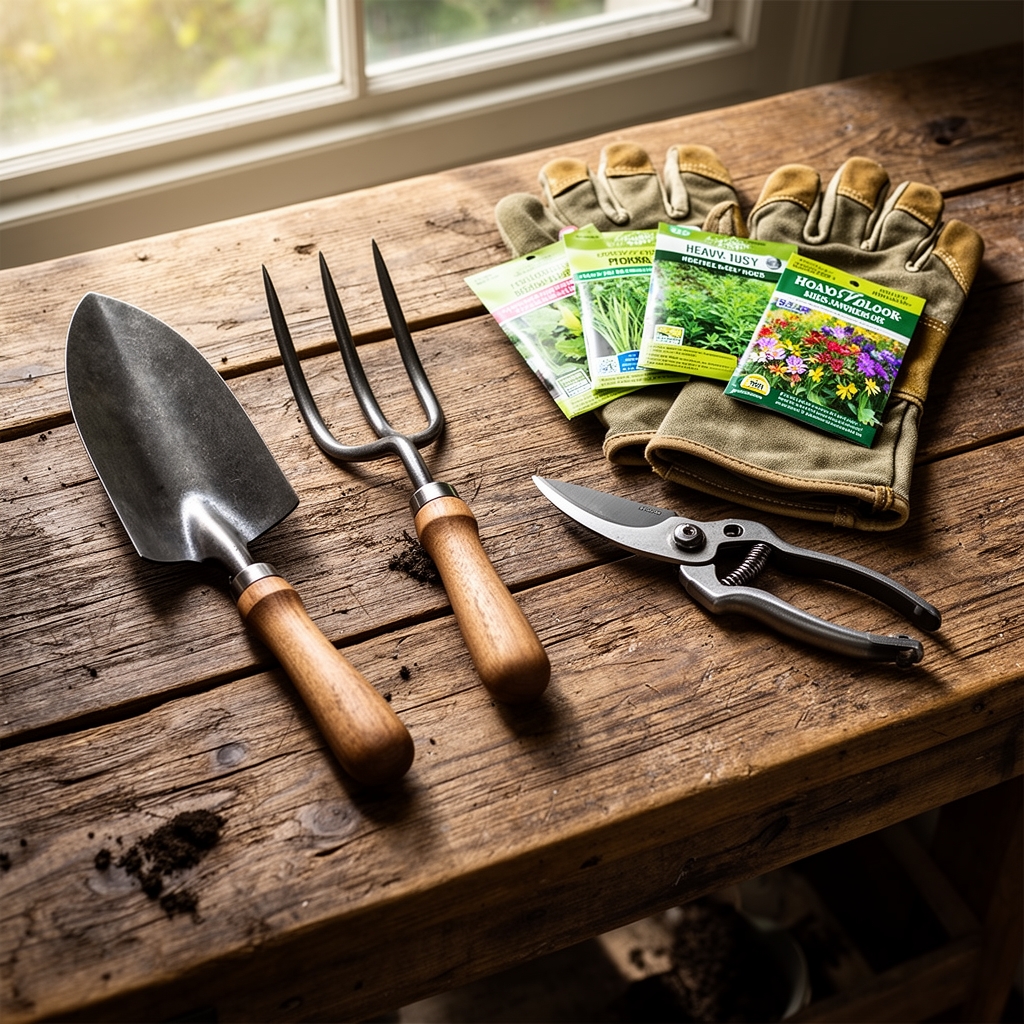
Select a mechanical seed sower matched to your seed size. Handheld broadcast seeders suit fine seeds like carrot (0.5–1.0 mm diameter). Push-style precision seeders work for medium seeds such as radish and beet (2–4 mm). Jab planters handle large legume seeds including peas and beans (6–10 mm).
Prepare soil amendments targeting 6.0–7.0 pH for most vegetable crops. Apply aged compost at 2 cubic feet per 100 square feet, providing balanced 1-1-1 slow-release nutrition. For nitrogen-hungry brassicas, supplement with blood meal (12-0-0) at 2 pounds per 100 square feet two weeks before sowing. Root crops prefer 4-4-4 organic meal at 3 pounds per 100 square feet to encourage lateral root development without excess vegetative growth.
Measure cation exchange capacity if your soil drains poorly. Sandy loams below 10 meq/100g require additional organic matter to retain nutrients and moisture near germinating seeds.
Stock calibration seeds. Radish seeds work well because their 3 mm diameter represents medium-size category and rapid germination (4–6 days) provides immediate feedback on sower accuracy.
Timing Your Seeding Window
Match sowing dates to your USDA Hardiness Zone and last spring frost. Zone 5 gardeners sow cool-season crops (lettuce, spinach, peas) when soil reaches 40°F, typically 4–6 weeks before last frost (mid-April). Zone 7 extends this window to late March. Warm-season crops require 60°F soil temperature, arriving 1–2 weeks after last frost date.
Fall seeding begins 8–10 weeks before first frost for cool-season crops. Calculate backwards from average frost date: Zone 6 first frost occurs October 15, making August 10 the ideal fall seeding date for turnips and Asian greens.
Cover crop timing follows cash crop harvest. Sow winter rye from late August through October across Zones 4–7. The grass establishes 6-inch growth before dormancy, then resumes in spring for biomass production.
Monitor photoperiod for bolt-sensitive crops. Spinach requires short days (less than 14 hours daylight) for leaf production. Spring sowings after April 15 in northern latitudes face premature flowering.
The Three Phases of Seed Sowing
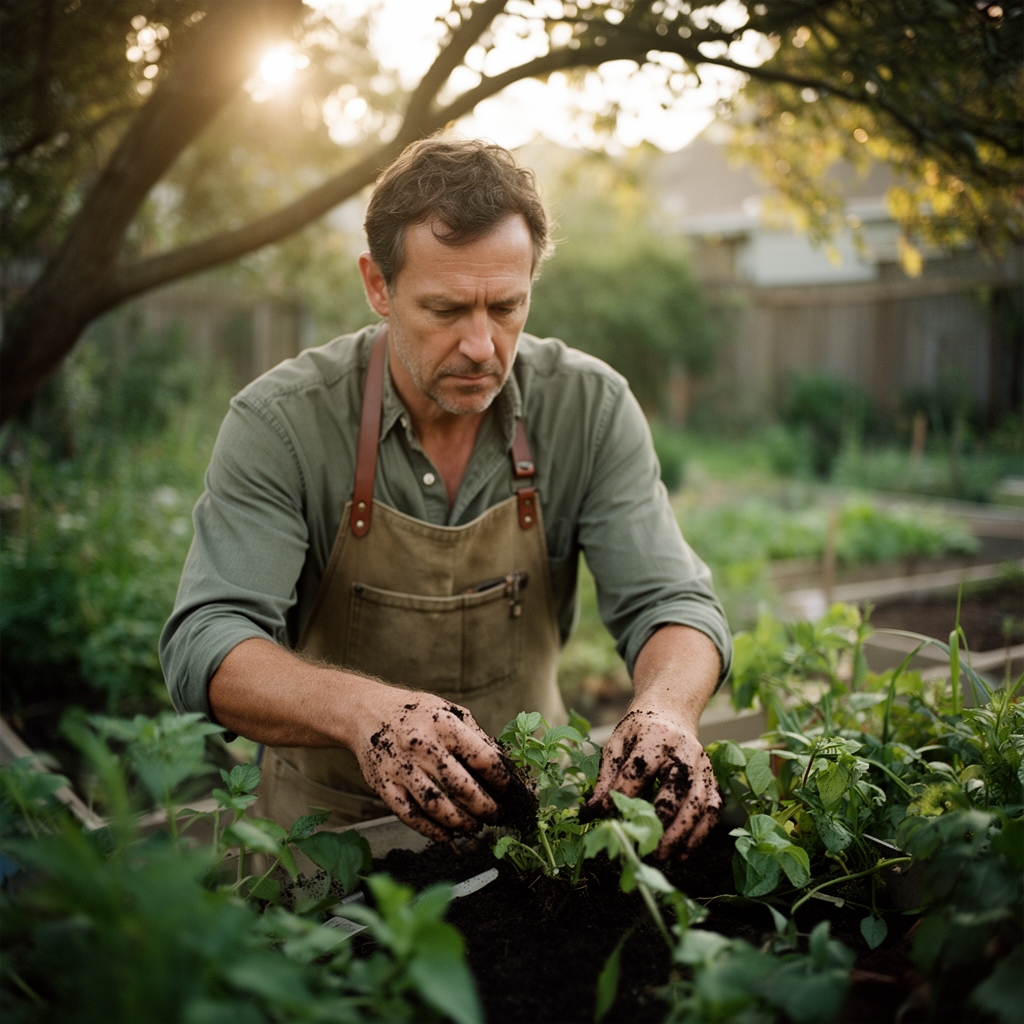
Phase 1: Calibration and Sowing
Fill the hopper one-third full with calibration seeds. Walk 50 feet at normal pace while rotating the crank at 40 rpm for handheld models. Collect discharged seeds on a tarp and count. Adjust gate opening until you achieve target density: 15 seeds per linear foot for carrots, 8 seeds per foot for lettuce, 4 seeds per foot for beets.
Mark straight rows using taut string between stakes. Push-style seeders follow string lines with 1-inch lateral precision when wheels track properly inflated. Maintain consistent walking speed of 2 mph (3 feet per second).
Set planting depth to twice the seed diameter. Carrot seeds need 0.25-inch depth. Bean seeds require 1.5 inches. Most sowers include depth shoes or roller adjustments for this control.
Pro-Tip: Coat small seeds with mycorrhizal inoculant powder before loading the hopper. Glomus species colonize roots within 14 days, improving phosphorus uptake by 40 percent in low-fertility soils.
Phase 2: Firming and Moisture Management
Firm soil over seeds using a lawn roller or board press. Compression eliminates air pockets and ensures seed-to-soil contact for moisture uptake during imbibition. Target 20 pounds per square inch pressure, firm enough that footprints barely register.
Water immediately after sowing with 0.5 inches applied through fine spray nozzle. Coarse streams displace small seeds. Maintain surface moisture through germination period without waterlogging. Seeds in saturated soil (below 10 percent oxygen) abort germination within 36 hours.
Pro-Tip: Apply kelp extract solution (diluted 2 tablespoons per gallon) during first watering. Cytokinins stimulate cell division in radicles, accelerating emergence by 12–24 hours.
Phase 3: Thinning and Establishment
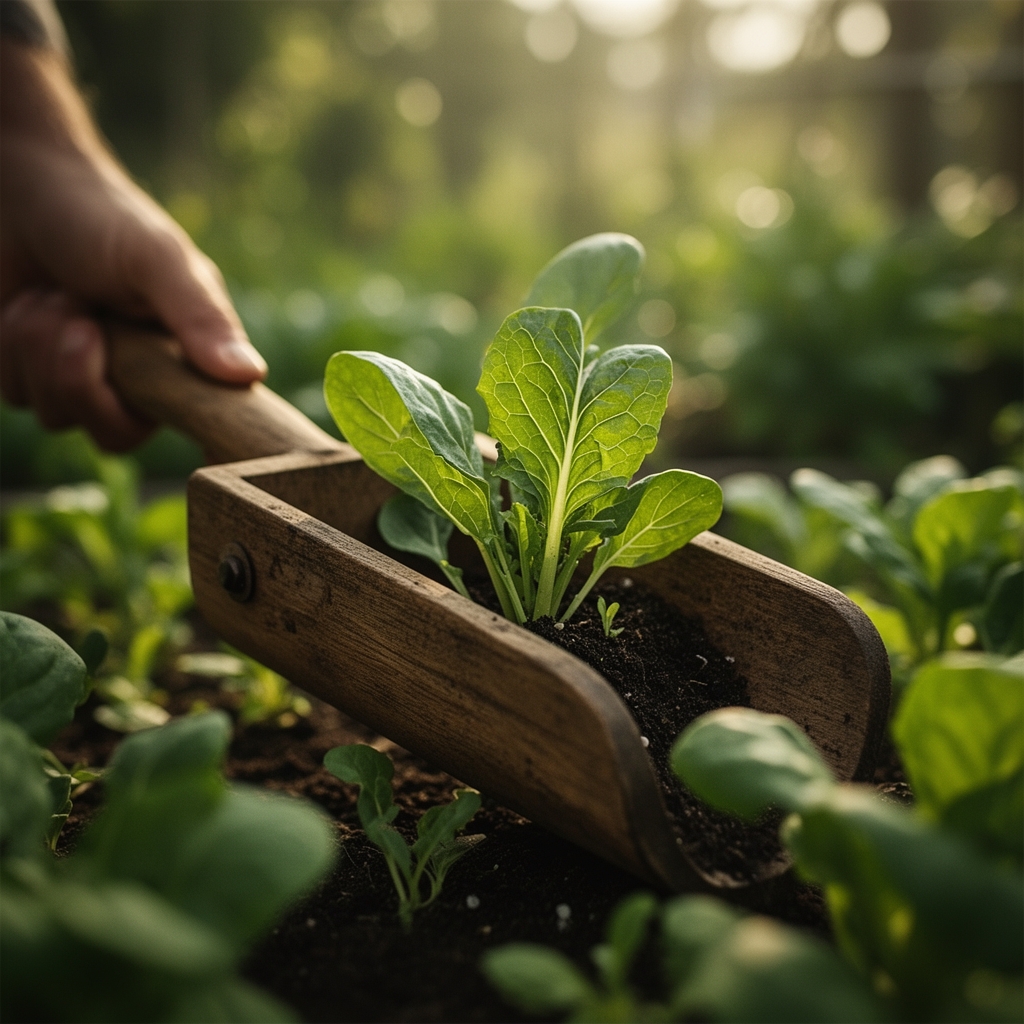
Thin seedlings when first true leaves appear. Carrots require 2-inch final spacing. Remove extras by cutting at soil line rather than pulling to avoid disturbing adjacent root systems. Pulling disrupts auxin distribution patterns and causes remaining plants to bolt prematurely.
Side-dress with calcium nitrate (15.5-0-0) at 1 pound per 100 square feet three weeks after emergence. Apply in bands 3 inches from stems to support rapid canopy expansion without leaf tip burn.
Pro-Tip: Time thinning for early morning when turgor pressure is highest. Stems snap cleanly, reducing disease entry points.
Troubleshooting Common Issues
Symptom: Uneven germination with bare patches.
Solution: Seed sower gate partially clogged or walking speed inconsistent. Clean all ports with compressed air. Practice cadence with metronome set to match crank rpm (40 beats per minute equals proper flow for most models).
Symptom: Seedlings emerge in dense clumps.
Solution: Gate opened too wide or seed flow rate miscalculated. Re-calibrate using procedure in Phase 1. Most handheld sowers require gate opening of 3–5 mm for lettuce-size seeds.
Symptom: Damping-off fungal collapse at soil line.
Solution: Soil remained too wet during germination. Pythium and Rhizoctonia thrive in saturated conditions. Reduce watering frequency to twice daily light misting rather than continuous moisture. Apply Streptomyces biological fungicide as soil drench at label rates.
Symptom: Poor germination despite proper moisture.
Solution: Seed planted too deep or soil crusting prevents emergence. Maximum planting depth is three times seed diameter. Break crust by light raking or apply 0.125-inch vermiculite mulch over rows before watering.
Maintenance Schedule
Water established seedlings with 1 inch per week measured with rain gauge. Split into two 0.5-inch applications during hot weather (above 85°F) to prevent surface drying between irrigations.
Scout for pests every three days during first month. Flea beetles colonize young brassicas within 48 hours of emergence. Apply kaolin clay at 2 tablespoons per gallon as foliar spray to create protective barrier.
Fertigate every 14 days with fish emulsion (5-1-1) diluted to half-strength (1 tablespoon per gallon). Apply 1 gallon per 10 row-feet to support steady vegetative growth without excess nitrogen that delays maturity.
Weed when soil is dry. Cultivate 1 inch deep using stirrup hoe to sever weed seedlings below cotyledons. Deeper cultivation damages crop roots competing for water and nutrients.
FAQ
How much seed does a typical broadcast sower hold?
Handheld models carry 1–3 pounds. Push seeders hold 5–25 pounds depending on hopper capacity. Calculate area coverage by dividing hopper capacity by seeding rate (typically 1 ounce per 100 square feet for small seeds).
Can I use the same sower for different seed sizes?
Most sowers include interchangeable plates or adjustable gates spanning fine to large seed ranges. Clean thoroughly between seed types to prevent cross-contamination and recalibrate flow rate for each new seed diameter.
What walking speed produces most accurate distribution?
Maintain 2 mph (176 feet per minute). Slower speeds cause over-seeding. Faster speeds create gaps. Practice over paved surface with chalk lines before field application.
Do I need different technique for broadcasting versus row seeding?
Broadcast sowers distribute in 6–12 foot arcs requiring overlapping passes for uniform coverage. Row seeders deposit in precise lines, eliminating broadcast overlap waste. Row seeding reduces seed use by 30–40 percent.
How do I prevent seed bridging in the hopper?
Maintain consistent hopper vibration through steady crank rotation or engine rpm on motorized models. Add flow agent (diatomaceous earth at 2 percent by weight) to improve flowability of sticky or irregularly shaped seeds.